Mosquito Exterminator in Singapore: Fogging, Larviciding & Costs
If mosquitoes are biting all evening and repellents no longer cut it, you may be searching for a mosquito exterminator to clear…
Read more →Keep mosquitoes — and dengue — out of your Singapore home, with guides on repellents, breeding control, fogging and window screening.
If mosquitoes are biting all evening and repellents no longer cut it, you may be searching for a mosquito exterminator to clear…
Read more →When you’re standing in the pharmacy aisle in Singapore, the two names you’ll see most on insect repellents are DEET and picaridin.…
Read more →Protecting little ones from mosquitoes is a real worry for Singapore parents — dengue and Zika are spread by the Aedes mosquito,…
Read more →Citronella, lemongrass, lavender — garden centres love to market mosquito-repellent plants, and they’re a tempting, natural-looking solution for a Singapore balcony or…
Read more →Mosquito coils are a familiar sight in Singapore homes — cheap, easy and effective at clearing a room of mosquitoes. But many…
Read more →If you always seem to be the one covered in bites while everyone else is fine, you’re not imagining it. “Why do…
Read more →In Singapore, the mosquito that matters most is the Aedes — the species behind dengue and Zika — and it breeds in…
Read more →A fresh mosquito bite in Singapore’s humid weather can itch for hours — and scratching only makes it worse. The good news…
Read more →In Singapore’s warm, wet climate, an Aedes mosquito only needs a teaspoon of clean, stagnant water to breed. That means most mosquito…
Read more →Not all mosquitoes are the same, and knowing which mosquito species in Singapore actually matter helps you focus your prevention where it…
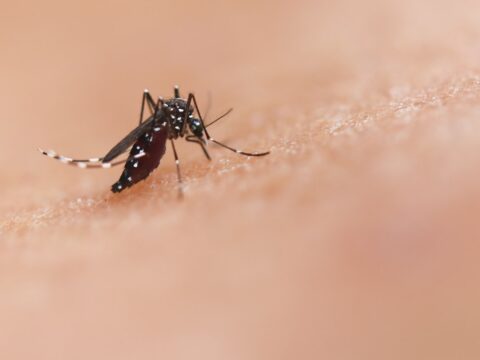
Read more →Mosquitoes are more than a nuisance here — the Aedes mosquito spreads dengue and Zika, and Singapore sees outbreaks during warmer, wetter months. Aedes mosquitoes bite during the day, breed in surprisingly small amounts of stagnant water, and rarely fly far, which means most breeding happens in and around your own home.
Effective protection combines three things: removing breeding sites, stopping mosquitoes getting indoors, and using repellents when you're exposed.
Our guides cover repellents, breeding control, fogging, homemade traps and window screening — so you can protect your home without relying on any single method.
A combination works best: remove standing water where they breed, fit insect screens on windows and doors so you can keep them open safely, and use repellent when needed. Screens are the most reliable barrier for an open, naturally ventilated home.
The Aedes mosquito, which spreads dengue, bites mainly during the day — particularly in the few hours after sunrise and before sunset. Some other species are more active at night.
They can reduce biting in a small, enclosed space but offer limited protection in open or ventilated areas, and some people are sensitive to the smoke. Screening and repellents are more dependable.
At least once a week. Aedes mosquitoes can breed in a capful of water, so tip out trays, pails and any container that collects rain, and scrub them to remove eggs.
Screens won't remove breeding sites, but a well-fitted, fine mesh keeps Aedes and other mosquitoes from entering — letting you ventilate your home without bites, which is a key layer of protection during outbreaks.