Mosquito Exterminator in Singapore: Fogging, Larviciding & Costs
If mosquitoes are biting all evening and repellents no longer cut it, you may be searching for a mosquito exterminator to clear them out for good. In Singapore, “exterminator” is really the American term — locally we simply say pest control or, more precisely, vector control — but the goal is the same: knock down the adult mosquitoes, destroy their breeding sites, and stop the next generation. This guide explains what professional mosquito treatment actually involves, when DIY stops being enough, and how to choose the right provider.
What a mosquito exterminator actually does
Effective mosquito control is never a single spray. A good provider works on two fronts at once — the adults you can see and the larvae you cannot — because killing only the flying insects leaves the breeding cycle intact.
- Fogging (adulticiding): A machine disperses a fine insecticide mist into shrubbery, drains, void decks and shaded resting spots where adult mosquitoes shelter during the day. Thermal fogging produces the familiar white cloud; ULV (ultra-low volume) cold fogging uses tiny droplets with far less visible smoke. Fogging gives fast knockdown but is short-lived, so it is one part of the plan, not the whole plan.
- Larviciding: A treatment applied to standing water — drains, gully traps, sumps, planter trays — that kills larvae before they mature. This is what actually breaks the cycle.
- Breeding-site removal (source reduction): The technician surveys your premises for stagnant water and either removes it or treats it. This is the single most important step, and it is why a proper inspection matters more than the size of the smoke cloud.
- Residual barrier spraying: A longer-lasting insecticide applied to walls, fences and foliage where mosquitoes rest, giving protection over the following weeks.
The dengue context you can’t ignore
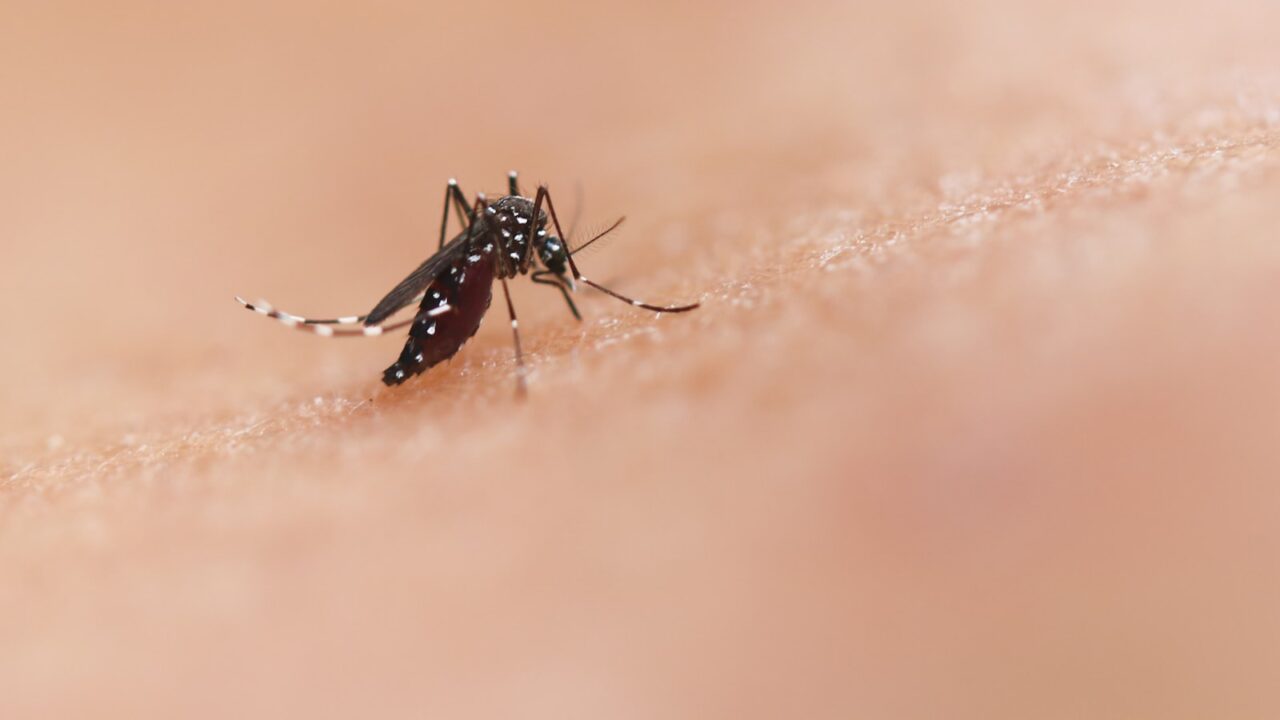
Singapore’s main biting mosquito, the *Aedes aegypti*, is also the vector for dengue and Zika. It breeds in small pockets of clean, stagnant water around homes and prefers to bite in the day. Because of this, mosquito control here is a public-health matter, not just a comfort issue.
The National Environment Agency (NEA) runs the long-standing Mozzie Wipeout programme and asks every household to do the “B-L-O-C-K” basics weekly: break up hardened soil, lift and empty flowerpot plates, overturn pails, change vase water, and keep roof gutters clear. A professional treatment works best on top of these habits — if breeding sites keep refilling, no amount of fogging will hold.
When DIY stops being enough
Coils, plug-ins, sprays and a window mesh will handle the occasional mosquito. Consider calling a professional when:
- Bites continue day after day despite you clearing obvious standing water.
- You are near an active dengue cluster or NEA has flagged your area.
- You have persistent breeding you cannot locate — a common sign the source is a hidden drain, a neighbour’s gully trap, or a shared boundary.
- You manage a condo, landed home with a garden, or business premises where the breeding surface is simply too large to manage alone.
For a fuller comparison of DIY versus professional approaches, see our guide to mosquito control in Singapore.
Choosing a licensed vector-control provider
This is the part worth slowing down for. In Singapore, companies carrying out vector-control work should employ NEA-registered vector control operators, and technicians handling insecticides should be trained and certified. Before you book, check that the firm:
- Employs NEA-registered vector control technicians and holds the relevant licensing.
- Insists on an inspection first, rather than quoting a blind fogging price over the phone.
- Explains its source-reduction plan, not just the fogging schedule.
- Uses approved insecticides and can tell you what is being applied.
- Offers a follow-up or maintenance schedule, since one visit rarely ends a persistent problem.
A provider that leads with breeding-site removal — and treats fogging as support — is usually the one that will actually solve it.
What treatment day looks like
A typical visit runs like this:
- Inspection. The technician walks the property, logging standing water, drains, planters and resting sites.
- Source reduction. Standing water is cleared or treated with larvicide.
- Fogging. Shaded and vegetated areas are fogged for adult knockdown.
- Residual spraying. Resting surfaces get a longer-lasting treatment where appropriate.
- Advice and follow-up. You will get guidance on keeping sites dry, and a recommended interval for repeat visits during peak periods.
You will usually be asked to keep people and pets indoors during and shortly after fogging, cover food and fish tanks, and stay out of treated areas until the mist settles. Most home treatments take under an hour, though larger gardens and grounds take longer.
What affects the cost
Rather than a fixed figure, mosquito treatment is priced on the situation. The main factors are:
- Property size and type — an HDB unit versus a landed home with a garden.
- Severity and breeding load — a heavy infestation with many sites costs more to resolve.
- Treatment scope — one-off fogging versus a scheduled programme with larviciding.
- Frequency — recurring visits during peak dengue months, common for condos and estates.
- Access — large grounds, drains and shared boundaries add labour.
Because every property is different, the honest answer is to get a quote after an inspection. For heavier or structural situations that need broader treatment, some providers combine mosquito work with wider fumigation services in Singapore.
Frequently asked questions
Is “mosquito exterminator” the right term in Singapore?
Does one fogging session get rid of mosquitoes?
Is mosquito fogging safe for children and pets?
How often should mosquito control be done?
Can I just handle it myself with NEA’s tips?
Related guides
- Mosquito control in Singapore
- Fumigation services in Singapore
- Fly exterminator in Singapore
- Pest control in Singapore
- Window insect screens
*Mosquitoes biting day after day? Get a free quote from Insect Out and we’ll match you with a licensed vector-control provider.*