How to Stop Mosquito Bites From Itching (Fast)
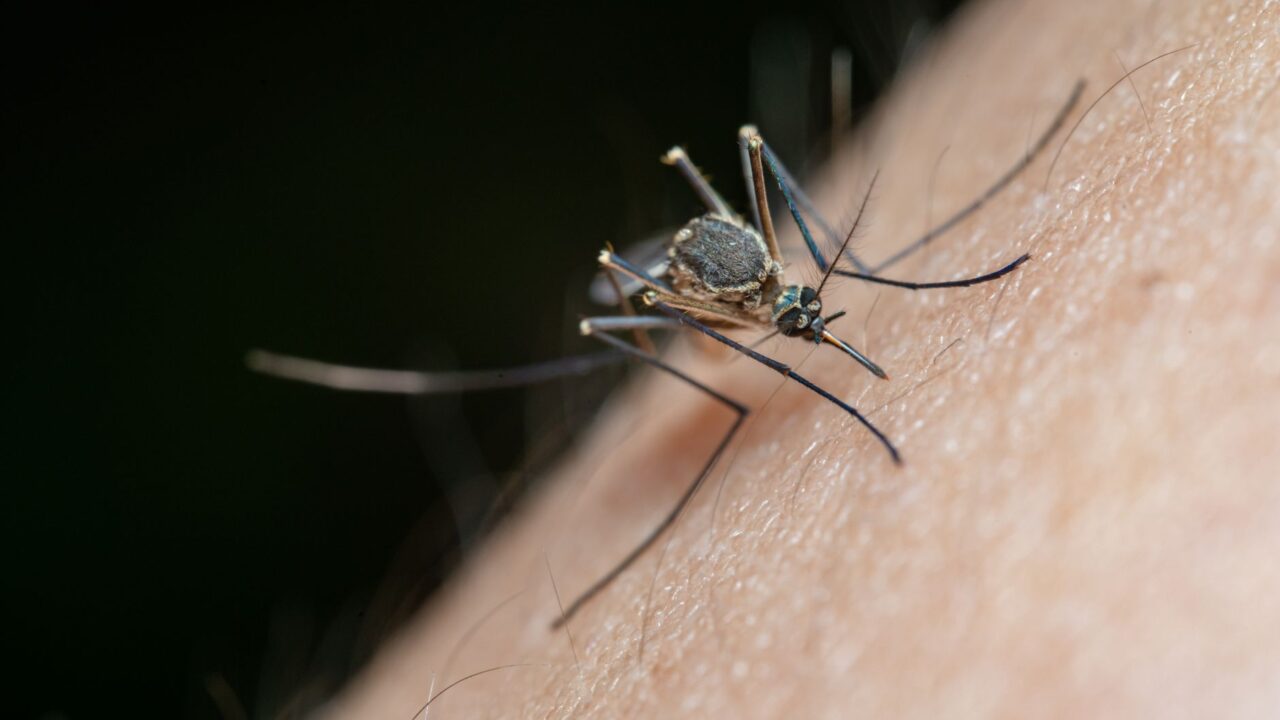
A fresh mosquito bite in Singapore’s humid weather can itch for hours — and scratching only makes it worse. The good news is that mosquito bite itch is easy to calm with things most homes already have. This guide covers what actually relieves the itch fast, what to avoid, and when a bite is worth a second look.
Why mosquito bites itch in the first place
When a mosquito bites, it injects a little saliva to stop your blood clotting while it feeds. Your immune system reacts to proteins in that saliva, releasing histamine — and histamine is what causes the swelling, redness and that maddening mosquito bite itch.
Some people barely react; others get large, long-lasting welts. Both are normal. The reaction usually fades on its own within a few days, so the goal is simply to make the itch bearable and avoid scratching the skin open.
Fast ways to relieve the itch
Most of these work within minutes and use items you likely have at home:
- Cold compress — wrap ice or a cold spoon in cloth and hold it on the bite for a few minutes. Cold numbs the nerves and reduces swelling.
- Don’t scratch — easier said than done, but scratching releases more histamine and can break the skin, inviting infection in our warm climate.
- Antihistamine cream or tablet — over-the-counter options from any Singapore pharmacy reduce the histamine response. Follow the label.
- Mild steroid cream (e.g. low-strength hydrocortisone) — for stubborn, swollen bites; ask your pharmacist.
- Calamine lotion — a classic, soothing and cheap.
- A dab of menthol or “cooling” balm — the cooling sensation distracts from the itch for many people.
Keeping the area clean and dry helps it heal faster, especially if you sweat a lot in the heat.
Simple home remedies that help
If you prefer not to reach for a tube of cream first, a few gentle home options can take the edge off:
- A paste of baking soda and water, left on for around 10 minutes, then rinsed.
- A cool shower or running cool water over the bite.
- Aloe vera gel, which soothes and cools irritated skin.
These won’t outperform a proper antihistamine, but they’re handy for mild bites or for children. Avoid unproven “hacks” like rubbing toothpaste or alcohol on bites — they can irritate the skin more than they help.
Why some people react more than others
If your bites swell into large, hot welts while others barely notice, you’re not imagining it. Sensitivity to mosquito saliva varies from person to person and even changes with age and repeated exposure. Children and people new to an area often react more strongly, while long-term residents may build some tolerance over years.
Large local reactions — a firm, itchy lump several centimetres across — are still a normal immune response, not necessarily an allergy. They simply mean your body reacts vigorously to the saliva proteins. An oral antihistamine taken when bites appear can help reduce the size and itch of these reactions, but check with a pharmacist if you take other medication.
If you scratch in your sleep, keeping nails short and covering bites with a light plaster overnight can prevent the broken skin that leads to infection in our warm, humid climate.
When a mosquito bite needs more attention
Most bites are harmless. See a doctor if you notice:
- Spreading redness, warmth, pus or increasing pain around the bite — possible infection from scratching.
- A large allergic reaction — extensive swelling, hives elsewhere, or any difficulty breathing (seek urgent care).
- Fever, severe headache, body aches or rash within about a week of being bitten. In Singapore, where Aedes mosquitoes spread dengue and Zika, these symptoms warrant a doctor’s visit — mention recent bites and any travel.
This is general guidance, not a diagnosis. If you’re unsure, a local GP or polyclinic can advise. To tell mosquito bites apart from other bites, see our guide on bed bug bites vs mosquito bites.
The real fix: stop the bites happening
Treating the itch is reactive. The lasting solution is to stop mosquitoes biting you at home in the first place:
- Remove breeding water weekly — see how to find mosquito breeding spots at home.
- Use repellent on exposed skin during peak biting hours (dawn and dusk).
- Screen your windows. A no-drill window insect screen lets you keep windows open for airflow while keeping mosquitoes out — fewer bites, less itch, no nightly battles.
If your home is constantly buzzing despite these steps, the source may be larger than your unit, and professional mosquito control can inspect, larvicide and treat problem areas you can’t reach.
Calming the night-time scratch cycle
Bites often feel worse in the evening, just as you’re trying to sleep — partly because there are fewer distractions, and partly because warmth under the covers can intensify the itch. In Singapore’s humidity, the bigger risk is scratching a bite open in your sleep and letting bacteria in.
A few habits help break the cycle:
- Take an oral antihistamine before bed if bites are widespread (check with a pharmacist if you’re on other medication).
- Keep nails short, especially for children, so a half-asleep scratch can’t break the skin.
- Cool the room or use a fan — being too warm makes the itch feel sharper.
- Cover a stubborn bite with a light plaster overnight so you can’t get at it.
If you’re regularly bitten indoors at night, the lasting answer is to keep mosquitoes out of the bedroom in the first place — which is where screened windows earn their keep.
Frequently asked questions
Why do some bites itch for days?
Should I pop or squeeze a mosquito bite?
Could it be something other than a mosquito?
Related guides
- How to identify bug bites
- What dengue mosquito bites look like
- Why do mosquitoes bite me more?
- Best mosquito repellent in Singapore
- How to get rid of mosquitoes
*Tired of waking up itchy? Keep mosquitoes out for good — talk to Insect Out for a free quote.*