How to Find Mosquito Breeding Spots at Home (Singapore)
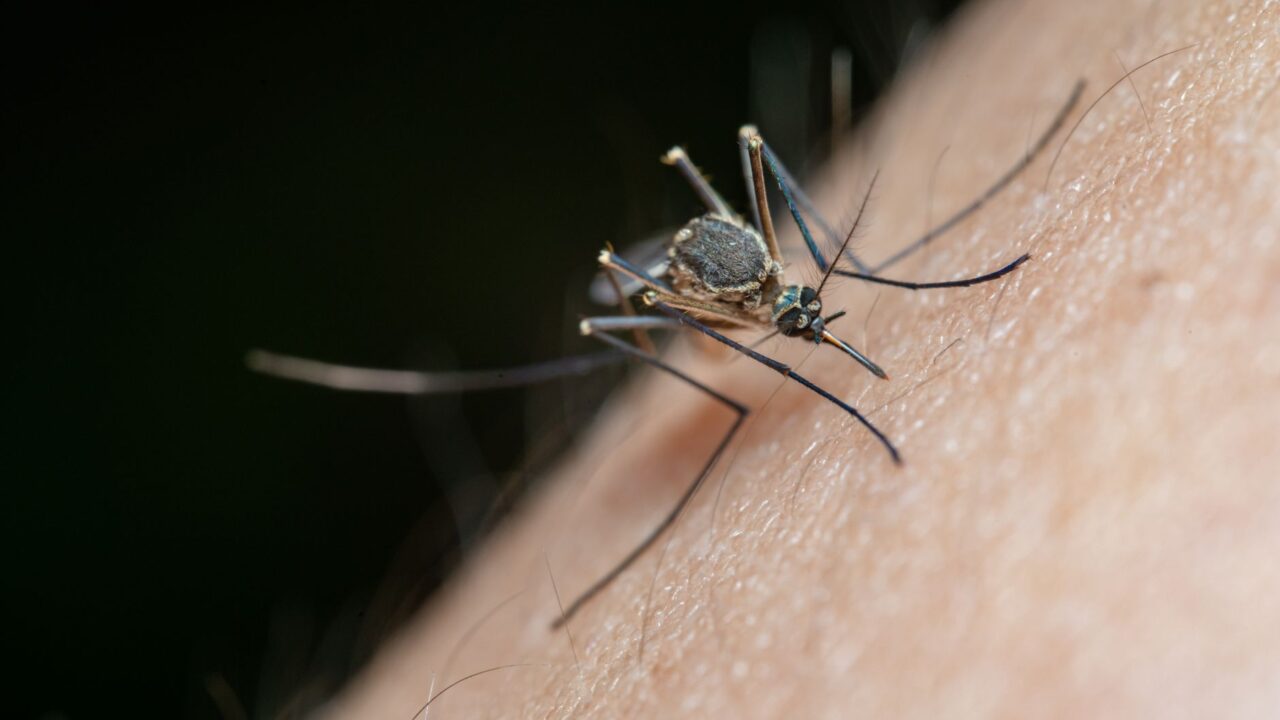
In Singapore’s warm, wet climate, an Aedes mosquito only needs a teaspoon of clean, stagnant water to breed. That means most mosquito breeding happens inside or just outside your own home — not in a distant drain. This guide shows you exactly where to look, room by room, and how a simple weekly check breaks the cycle before larvae become biting adults.
Why your home is the likely source
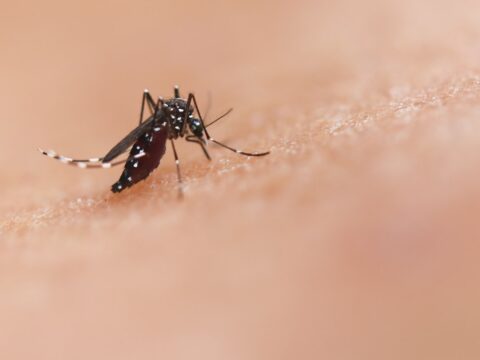
The Aedes aegypti and Aedes albopictus mosquitoes that spread dengue and Zika in Singapore prefer clean, still water close to people — not dirty canals. They lay eggs on the damp inner walls of containers, and those eggs can survive dry spells for months, hatching the moment water returns.
Because the egg-to-adult cycle takes only about a week in our heat, an overlooked saucer or clogged gully can produce a fresh swarm faster than most people expect. Finding and clearing mosquito breeding spots is the single most effective thing you can do — far more than any spray.
The most common breeding spots in HDB flats and condos
Walk through your home with a torch and check anywhere water can collect and sit:
- Plant pot plates and saucers — the classic breeding site. Water pools underneath after watering or rain.
- Vases and bamboo plants — change water at least weekly and scrub the inner sides.
- Tray under the fridge or dish rack — defrost trays and drip trays are often forgotten.
- Aircon condensate trays and drip points — check the tray below the indoor unit and any external drainage.
- Pails, basins and mop buckets stored in the kitchen yard or service balcony.
- Toilet bowls and floor traps in rarely used bathrooms.
- Bin lids and recycling containers that catch rain.
The NEA’s well-known “B-L-O-C-K” steps are a good memory aid: change water in vases, turn pails over, loosen hardened soil, clear roof gutters and place BTI insecticide where needed, and cover water containers.
Outdoor and shared-area hotspots
If you have a balcony, garden or shared corridor, extend your check outside:
- Balcony floor traps and corner drains that collect rain.
- Roof gutters and gully traps — leaves trap water and create hidden pools.
- Hardened or compacted soil in pots and planter boxes, where water sits on top.
- Discarded items like old tyres, paint tins, helmets and styrofoam boxes on the service balcony.
- Inverted bottle caps, food containers and packaging in the recycling area.
In landed homes, also check ornamental fountains, ponds, fish tanks and any covered drains around the perimeter.
How to clear each spot the right way
Finding the spot is only half the job. Clear it properly so it can’t restart:
- Tip out the water — don’t just scoop the surface. Eggs cling to the sides above the waterline.
- Scrub the inner walls of pots, vases and trays with a brush. This physically removes eggs.
- Dry it out if you can, or turn containers upside down so they can’t refill.
- Loosen hardened soil so rainwater drains through instead of pooling.
- For water you must keep (e.g. a pond), add BTI larvicide, keep larvae-eating fish, or cover it tightly.
Make this a fixed 10-minute routine — for example, every weekend after watering plants. A reminder on your phone helps it stick.
Stop adults getting in (and laying eggs indoors)
Clearing water removes existing breeding, but adult mosquitoes will still fly in through open windows looking for new spots. The most reliable barrier is a fine mesh on your openings.
A no-drill, magnetic window insect screen lets you keep windows open for ventilation while stopping mosquitoes from entering — which also stops them finding fresh water indoors to breed in. Many Singapore households fit screens themselves; see how it works to gauge whether it suits your windows.
For related reading, our guide on how to get rid of mosquitoes naturally covers non-chemical tactics that pair well with breeding control.
When weekly checks aren’t enough
If you’re still being bitten indoors despite clearing every container and screening your windows, the breeding source may be in a shared or hard-to-reach area — a neighbour’s unit, a common-corridor drain, or your block’s gully traps.
In that case, report persistent issues to your Town Council or the NEA, and consider professional mosquito control, which includes fogging, larviciding and a proper inspection of breeding sites you can’t access. To learn how dengue risk shifts through the year, see our note on Singapore’s Say No to Zika guidance.
Common mistakes that let breeding restart
Even diligent households slip up in ways that quietly restart the cycle:
- Scooping the surface instead of tipping out. Aedes eggs cling to the container wall above the waterline, so skimming the top leaves them ready to hatch when water returns. Always empty and scrub.
- Forgetting the once-a-fortnight spots. Rarely used bathrooms, spare-room aircon trays and the gully under a back-of-yard sink get missed because nobody walks past them daily.
- Leaving hardened soil untouched. Compacted potting soil sheds water like a saucer, so puddles form on top after every shower of rain. Loosen it so water drains through.
- Treating it as a one-off. Because the egg-to-adult cycle runs about a week, a single clear-out isn’t enough — only a repeating weekly habit actually breaks the chain.
A useful trick is to do your check on the same day you water your plants, so the two jobs lock together and neither gets skipped. For a fuller routine, our guide on how to prevent mosquito breeding lays out a week-by-week approach.
Frequently asked questions
How long can Aedes eggs survive without water?
Do mosquitoes breed in dirty drains or clean water?
Is fogging enough to stop breeding?
Related guides
- How to prevent mosquito breeding
- Types of mosquitoes in Singapore
- What dengue mosquito bites look like
- How to get rid of mosquitoes
- Mosquito season in Singapore
*Cleared your breeding spots but still seeing mosquitoes? Get a free mosquito control quote from Insect Out.*