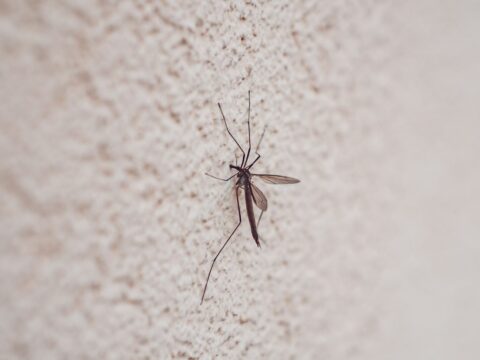
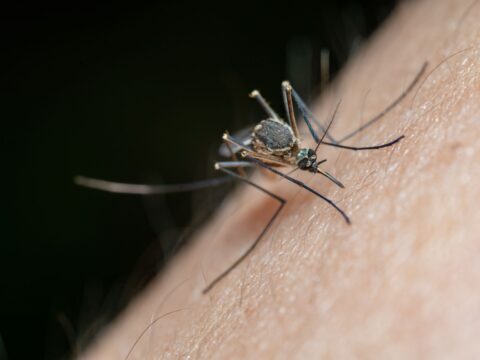
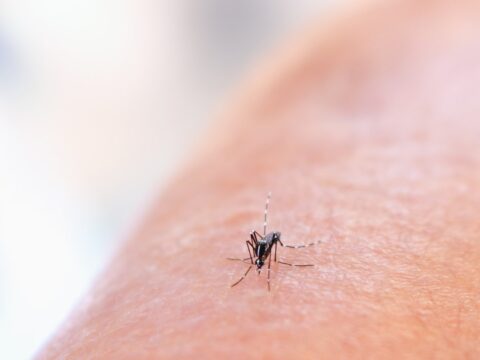
Mosquito Species in Singapore (and the Ones That Matter)
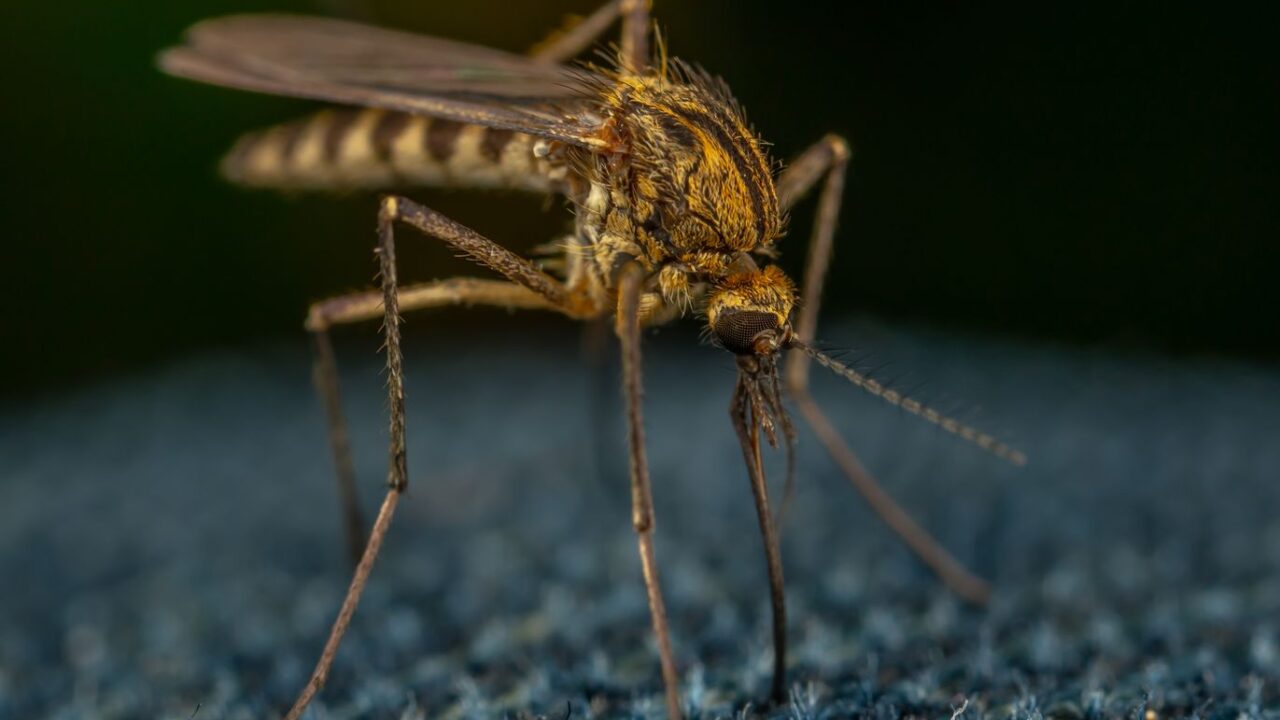
Not all mosquitoes are the same, and knowing which mosquito species in Singapore actually matter helps you focus your prevention where it counts. A few species are responsible for most of the disease risk and nuisance in local homes. Here’s a clear guide to the main mosquito species in Singapore, how to tell them apart, and how to keep the important ones out.
The main mosquito species in Singapore
Three groups account for most mosquitoes people encounter around Singapore homes:
- Aedes — the daytime biters behind dengue and Zika
- Culex — the common evening and night-time nuisance mosquito
- Anopheles — the malaria-associated group, far less of a concern locally today
Of these, the Aedes mosquitoes are by far the most important for Singapore households.
Aedes: the species that matter most
The Aedes mosquitoes, chiefly *Aedes aegypti* and *Aedes albopictus*, are the species behind Singapore’s dengue and Zika concerns. They stand out because:
- They are active in the daytime, especially early morning and late afternoon
- They are small and dark with distinctive white markings on the body and legs
- They tend to bite around the ankles and elbows
- They breed in small pools of clean, stagnant water close to homes
This is why so much local mosquito guidance focuses on removing standing water. Among all the mosquito species in Singapore, Aedes are the ones to prioritise because of the diseases they can carry. Our guide on what dengue mosquito bites look like covers the health side in more detail.
Culex: the common nuisance mosquito
Culex mosquitoes are the ones most likely to whine around your ear at night. Compared with Aedes:
- They are mostly active at dusk and night
- They are typically brownish and less strikingly marked
- They often breed in dirtier, stagnant water like drains and polluted pools
While Culex are mainly a nuisance in homes, globally some species can transmit other diseases. Locally, the main issue is disturbed sleep and itchy bites.
Telling the key species apart
For practical home prevention, the timing of bites is the easiest clue:
| Feature | Aedes | Culex |
|---|---|---|
| Active when | Daytime (morning/late afternoon) | Dusk and night |
| Appearance | Dark with white markings | Brownish, plainer |
| Breeds in | Clean, stagnant water near homes | Dirtier, polluted water |
| Main concern | Dengue, Zika | Nuisance biting |
If you’re being bitten during the day, think Aedes and check for breeding water urgently. Biting at night points more to Culex.
How to keep the important species out
Regardless of species, the prevention playbook is the same, and it works especially well against the Aedes mosquitoes that matter most:
- Remove breeding water weekly. Following the NEA Mozzie Wipeout approach, empty and scrub pot trays, vases, gully traps, pails and any container holding water.
- Screen your windows and doors. A fine mesh keeps all mosquito species out while letting breezes through. Our no-drill window insect screens suit naturally ventilated HDB and condo homes.
- Use repellent, especially in the daytime for Aedes and at night for Culex.
For finding hidden breeding sites, see our guide on how to find mosquito breeding spots at home.
When to call a professional
Identifying the species matters, but control is what protects your home. Consider professional help if:
- You’re seeing persistent daytime Aedes activity
- You’re in or near an active dengue cluster
- Mosquitoes continue despite removing breeding sites and screening
Professional mosquito control in Singapore can target the breeding and resting sites of whichever species is troubling you.
The bottom line
Among the mosquito species in Singapore, Aedes are the ones to watch — daytime biters that spread dengue and Zika — while Culex are the night-time nuisance. The same prevention works against all of them: clear breeding water weekly, screen your windows, and use repellent at the right times.
What about Anopheles and other mosquitoes?
The third group people sometimes ask about is Anopheles, the mosquitoes associated with malaria. Singapore was certified malaria-free decades ago, and while Anopheles mosquitoes still exist locally, they’re far less of a household concern than Aedes or Culex today. The occasional imported case is monitored by the authorities, but for everyday home prevention they don’t change the playbook.
You may also encounter mosquitoes that seem larger or behave differently outdoors near vegetation and drains. For practical purposes, the distinction that matters for your home is simple: daytime biting points to Aedes and warrants an urgent breeding-water check, while evening and night-time whining usually means Culex. Knowing when mosquito risk peaks helps you time your vigilance, and recognising what dengue mosquito bites look like keeps the focus on symptoms rather than the harmless-looking mark.
Frequently asked questions
Which mosquito in Singapore is most dangerous?
Can I tell the species apart by the bite?
Why do some mosquitoes bite at night and others during the day?
Does the same prevention work for all of them?
Why do Aedes and Culex breed in different water?
Are there mosquitoes that don’t bite at all?
Related guides
- What do dengue mosquito bites look like
- Mosquito season in Singapore
- How to get rid of mosquitoes
- How to prevent mosquito breeding
- How to find mosquito breeding spots at home
*Want to keep every mosquito species out of your home? Get a free quote from Insect Out or fit our window insect screens.*