Say No to Zika: How to Mosquito-Proof Your Home in Singapore
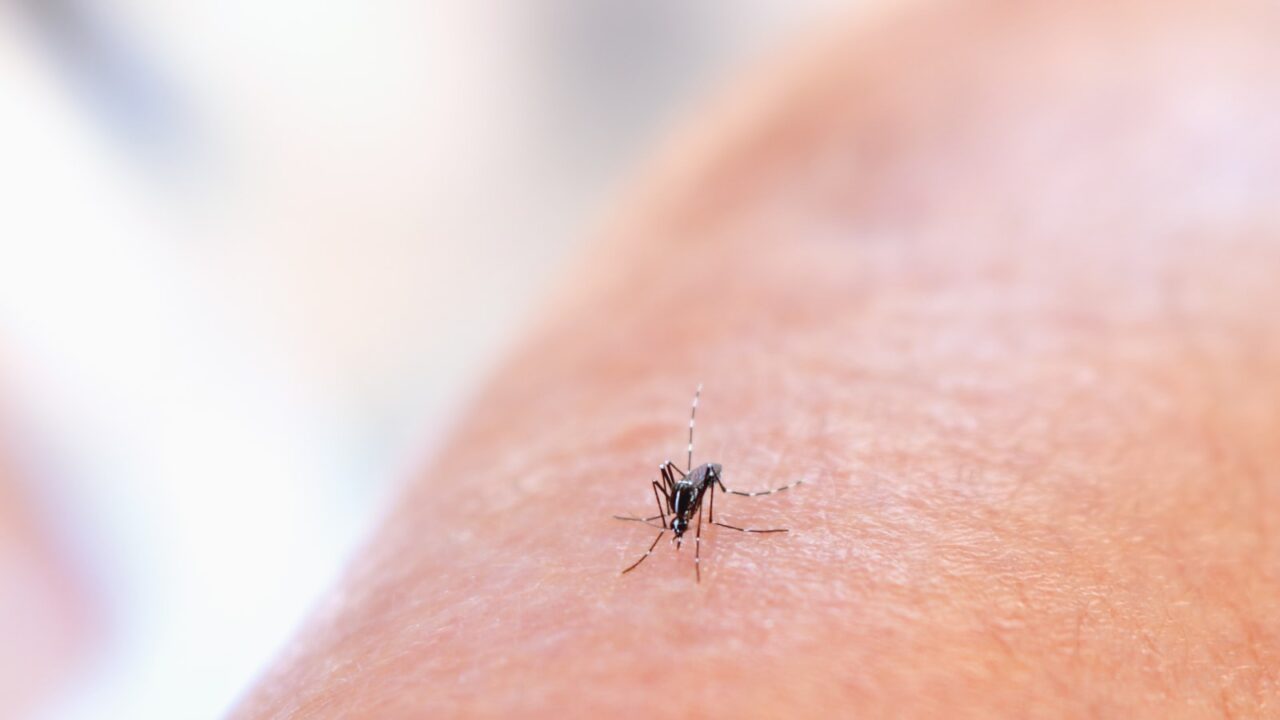
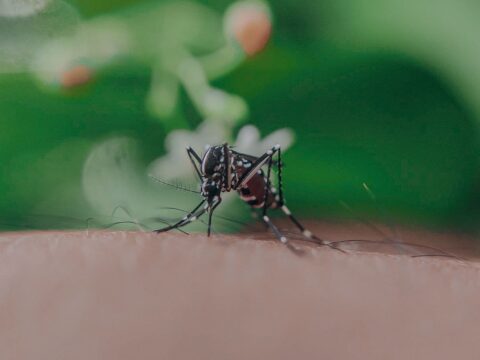
Singapore’s warm, humid climate is close to perfect for the *Aedes* mosquito — the species that spreads both dengue and Zika. With cases flaring up in clusters across the island, “saying no to Zika” isn’t an abstract public-health slogan; it starts at home, with the water in your flowerpot saucers and the windows you leave open at dusk. The encouraging part is that a few consistent habits make your home a genuinely hard place for mosquitoes to thrive. This guide explains how to mosquito-proof your home in Singapore from three angles — stopping mosquitoes breeding, protecting the people inside, and physically keeping the mosquitoes out — and why doing all three together works far better than any one alone.
1. Remove breeding spots — every week
*Aedes* mosquitoes don’t need a pond. They breed in small amounts of clean, stagnant water, and a single neglected container can seed a whole cluster. The NEA’s five-step “Mozzie Wipeout” is the backbone of prevention, and it only takes a few minutes once a week:
- Turn over pails and water-storage containers when not in use.
- Change the water in vases and flowerpot plates.
- Loosen hardened soil in potted plants so water doesn’t pool on top.
- Clear blocked roof gutters and scrub out drains.
- Don’t leave trays, lids, bottles or trash where rainwater can collect.
Doing this consistently is the highest-impact thing you can do, because it stops mosquitoes before they ever take wing. For a thorough room-by-room sweep, follow our guide on how to prevent mosquito breeding and learn how to find mosquito breeding spots at home — the hidden ones (air-con trays, plant pot bases, that bucket on the service yard) are the ones that catch people out.
2. Protect yourself and your family
Personal protection reduces the chance of a bite when mosquitoes are about. Use repellent on exposed skin — our roundups of the best mosquito repellent in Singapore and the best mosquito repellent for babies cover what’s effective and safe for different ages — and wear long, loose sleeves in the evening when *Aedes* is most active. For young children and infants, a mosquito net for the cot or stroller adds a barrier where repellent isn’t ideal. These measures genuinely help, but it’s worth being clear-eyed: they protect the individual for a few hours; they don’t keep mosquitoes out of the house, and they wear off.
3. Screen your windows — keep them open *and* safe
The most reliable way to stop mosquitoes entering in the first place is a physical barrier. A fine magnetic insect mesh screen lets you keep windows open for ventilation while blocking mosquitoes around the clock — no aerosols to spray, no plug-ins to run, no drilling into the frame. Because the mesh is removable and the border is self-adhesive, it works equally well for HDB flats, condos and rented homes, complying with the rules in each. Most windows take a DIY kit you can fit yourself in minutes, while larger sliding doors and balconies are better served by a professionally installed screen — request a free quote and we’ll measure up. A screen is the one measure on this list that works continuously, day and night, without anyone having to remember to do anything.
Why all three together
Each layer covers a different gap. Breeding control reduces how many mosquitoes there are to begin with; personal protection lowers your odds of a bite when you’re out and about; and screens close the door on the ones that would otherwise drift in through an open window at dusk. Rely on just one and there’s always a way through — repellent wears off, a single missed container restarts breeding, and an open unscreened window undoes the rest. Combine all three and you genuinely change the odds during dengue season, which matters most in homes with babies, elderly residents or anyone more vulnerable to severe dengue. If you want to understand the enemy better, our guides to the types of mosquitoes in Singapore and the mosquito season in Singapore explain which species bite, when, and why some months are so much worse.
Zika, dengue and why this matters
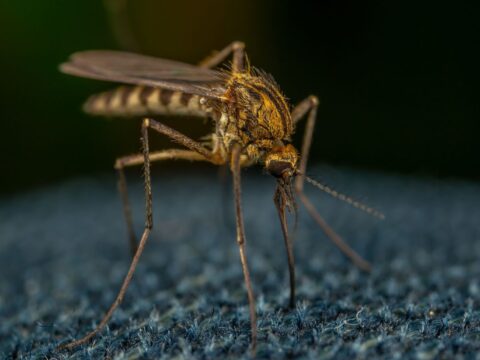
It’s worth being clear about what’s at stake, without alarm. Both dengue and Zika are spread by the same *Aedes* mosquito, which bites mainly during the day — dawn and dusk especially — and breeds within metres of where people live. Dengue can range from a miserable fever to a severe, occasionally dangerous illness, while Zika is a particular concern during pregnancy. Because the mosquito breeds so close to home and bites by day, the measures in this guide are unusually effective: you’re not fighting a distant problem, you’re removing the water in your own saucers and screening your own windows. That local focus is exactly why NEA’s community “Mozzie Wipeout” works, and why your individual effort genuinely counts toward your whole block’s risk. If you want to recognise the bites themselves, what dengue mosquito bites look like helps you tell them apart from other itches.
Frequently asked questions
Does removing breeding spots really make a difference?
Are window screens better than sprays and coils?
Can I screen an HDB flat without drilling?
What’s safe for a baby’s room?
Related guides
- How to prevent mosquito breeding
- How to find mosquito breeding spots at home
- Keep mosquitoes out of HDB windows
- Best mosquito repellent in Singapore
- Mosquito season in Singapore
*Want help choosing the right screen for your windows? Get a free recommendation and enjoy an open, breezy home through dengue season.*