How to Prevent Mosquito Breeding at Home (Singapore)
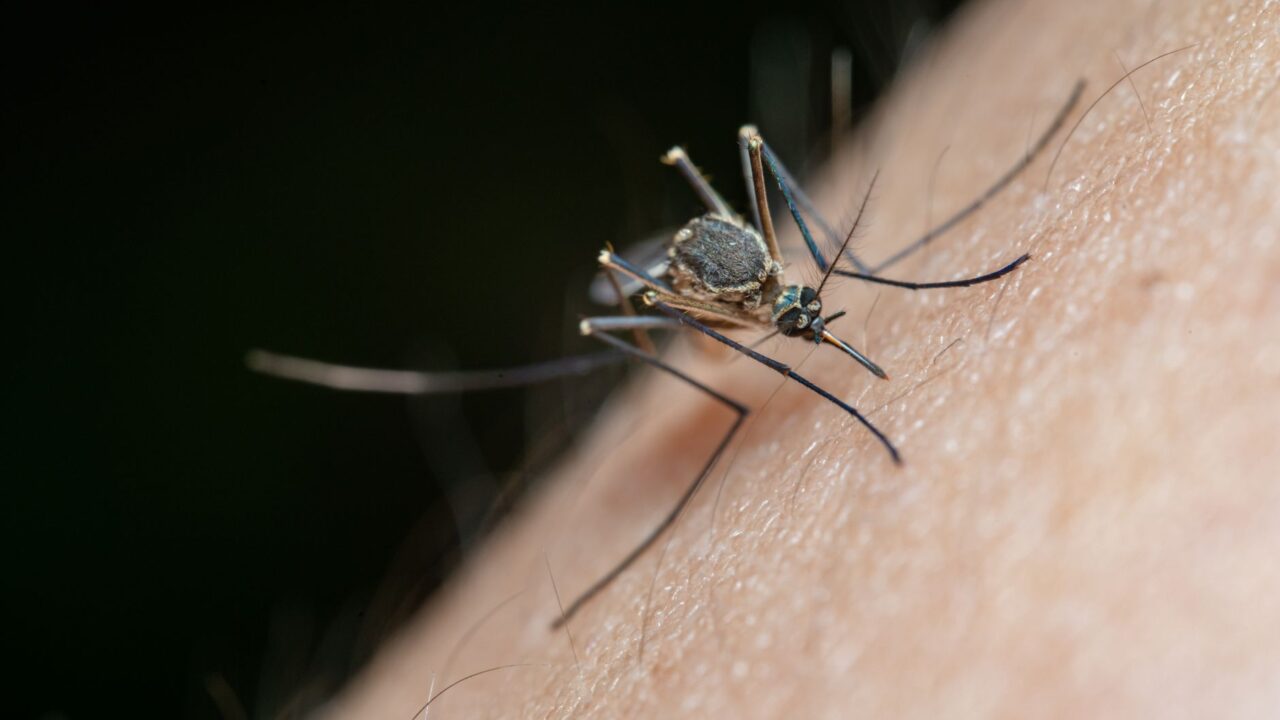
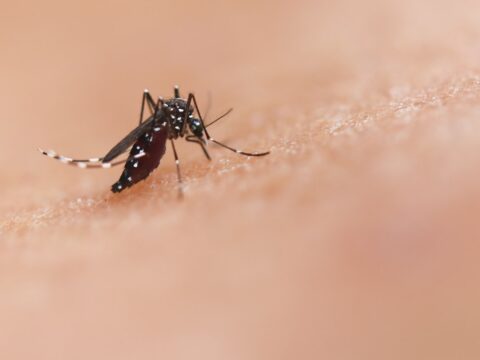
In Singapore, the mosquito that matters most is the Aedes — the species behind dengue and Zika — and it breeds in the smallest amounts of clean, stagnant water around your home. Learning how to prevent mosquito breeding is the single most effective thing you can do, because no spray or repellent beats removing the water where the next generation hatches.
Why Stopping Breeding Matters Most
Adult mosquitoes are only part of the problem. Each female Aedes can lay eggs in multiple small water sources, and those eggs become biting adults in roughly a week in Singapore’s warm climate. Kill the adults and ignore the breeding sites, and a new batch simply emerges.
That’s why the NEA’s long-running Mozzie Wipeout campaign focuses on source reduction — destroying breeding habitats. Preventing mosquito breeding breaks the cycle at its weakest point.
The Weekly Steps That Break the Cycle
The Aedes mosquito needs only a small pool of stagnant water and about a week to develop. A simple weekly routine disrupts this. NEA promotes a well-known set of steps — make these a habit:
- Change water in vases and bowls at least twice a week.
- Turn over pails, watering cans and any containers that collect water.
- Remove water from plant pot plates and trays, or fill them with sand.
- Loosen hardened soil in pots so water doesn’t pool on the surface.
- Clear blockages in roof gutters and scupper drains; brush off any eggs.
Run through these every week and you remove most of the breeding opportunities around a typical HDB flat or condo unit.
Common Hidden Breeding Spots
Aedes mosquitoes are happy with tiny amounts of water, so look beyond the obvious:
- Plant pot plates and saucers (a top culprit)
- Bamboo pole holders on HDB facades
- Pails, buckets and unused containers on balconies and service yards
- Discarded items, bottle caps and tins collecting rainwater
- Air-con condensate trays and water features
- Clogged gutters and roof drains in landed homes
- Toilet bowls and floor traps in rarely used rooms
A quick check of these spots once a week makes a real difference, especially during the warmer, wetter months when mosquito numbers climb.
Keep Adult Mosquitoes Out Too
Source reduction is the priority, but stopping adult mosquitoes from getting indoors protects you while you keep on top of breeding. Practical measures:
- Screen your windows and doors so mosquitoes can’t fly in while you keep airflow — our window insect screens are a no-drill option for HDB flats and condos.
- Use repellent on exposed skin when needed, especially at dawn and dusk.
- Wear long, loose clothing in mosquito-prone areas.
Screening is especially valuable for families, since it reduces reliance on sprays and coils indoors. Mosquito protection works best when you combine breeding prevention, screening and repellents.
During a Dengue Cluster
If NEA declares a dengue cluster in your area, step up your routine:
- Do the weekly checks more often and more thoroughly.
- Cooperate with NEA inspections and follow any advisories.
- Be extra strict with plant plates, gutters and stored containers.
- Use repellent consistently and keep screens in good repair.
Dengue and Zika are both spread by Aedes, so reducing breeding protects your household and your neighbours. Our Say No to Zika resource explains why source reduction is so central to controlling these diseases.
A Simple Weekly Routine to Stick To
Source reduction only works if it’s consistent, so make it a fixed weekly habit — pick the same day each week so it’s not forgotten:
- Walk every room with a balcony, yard or wet area.
- Tip out and scrub any container holding water — plant plates first.
- Run taps in rarely used bathrooms to refresh floor traps.
- Check air-con trays, gutters and any decorative water features.
- Clear away rubbish and items that could collect rainwater.
The whole round takes only a few minutes once it’s routine, and it’s the most reliable defence against Aedes mosquitoes in a Singapore home. If you have a helper or family members, share the checklist so it’s covered even when you’re away.
When to Call a Professional
If you keep getting bitten despite a diligent weekly routine, or you can’t find the breeding source, professional help can locate hidden sites and treat larvae and adults. Persistent mosquito problems in shared estates often need a coordinated approach. Professional mosquito control in Singapore combines inspection, source reduction and targeted treatment.
HDB, Condo and Landed: Where to Look
The breeding hotspots shift depending on your home, so tailor your weekly round:
- HDB flats — bamboo pole holders, plant pot plates on the service yard, the area around the rubbish chute, and floor traps in rarely used bathrooms. Common corridors and shared planters matter too, so report persistent issues so the town council can act.
- Condos — balcony planters and saucers, decorative water features, roof terraces and shared landscaping. The MCST handles common areas, but your own balcony is yours to keep clear.
- Landed homes — clogged roof gutters and scupper drains, garden containers, birdbaths, plant trays and any discarded items in the yard that collect rainwater.
Knowing your home’s specific traps makes the weekly check faster and more thorough. For help finding the sneaky ones, see our guide on how to find mosquito breeding spots at home.
Frequently asked questions
How quickly can mosquitoes breed?
Does standing water really need to be that small to matter?
Is killing adult mosquitoes enough?
When is mosquito breeding worst in Singapore?
Related guides
- How to find mosquito breeding spots at home
- Mosquito season in Singapore
- Types of mosquitoes in Singapore
- Why do mosquitoes bite me more?
- Keep mosquitoes out of HDB windows
*Mosquitoes still a problem after the weekly checks? Get a free assessment from our mosquito control team.*