Dust Mites vs Bed Bugs: How to Tell the Difference
Itchy in bed but can’t find any bugs? You’re probably trying to work out the difference between dust mites vs bed bugs — two very different problems that both cause discomfort at night. Telling them apart matters, because the way you deal with each is completely different. Here’s a clear guide for Singapore’s warm, humid homes.
Dust Mites vs Bed Bugs: The Key Difference
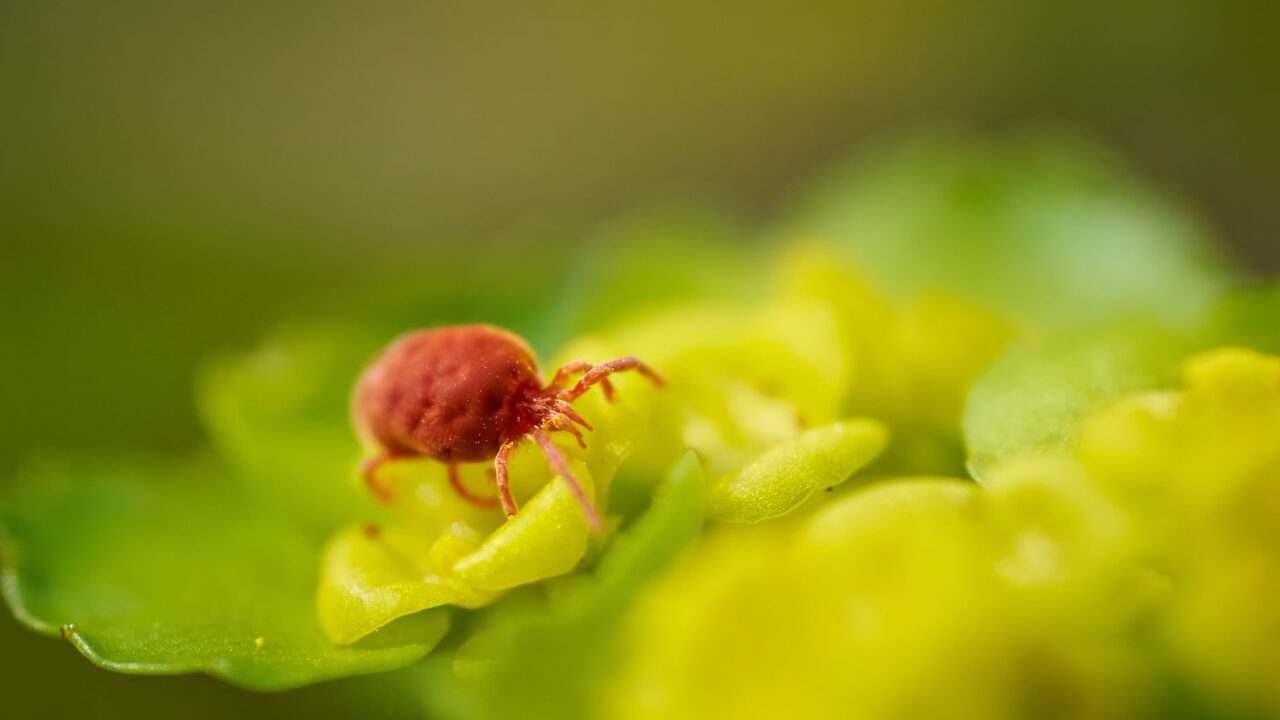
The simplest way to understand dust mites vs bed bugs: dust mites are microscopic creatures that trigger *allergies*, while bed bugs are visible insects that *bite*.
| Feature | Dust mites | Bed bugs |
|---|---|---|
| Visible? | No — microscopic | Yes — apple-seed sized adults |
| Do they bite? | No | Yes, they feed on blood |
| What they cause | Allergy: sneezing, congestion, itchy eyes, eczema flare-ups | Itchy bite welts, often in a line |
| Where they live | Bedding, mattresses, soft furnishings, dust | Mattress seams, frames, headboards, crevices |
| Evidence | None visible; symptoms only | Live bugs, dark spotting, shed skins |
| Feed on | Shed human skin flakes | Human blood |
If you can’t see anything and your symptoms are sneezing, a stuffy nose or itchy skin (rather than distinct bite marks), dust mites are the more likely culprit. If you find actual welts and small bugs or dark spots on the sheets, suspect bed bugs.
How to Spot Dust Mites
You won’t see dust mites — they’re too small. Instead, you’ll notice allergy-type symptoms, which tend to be worse in the morning or in dusty, humid rooms:
- Sneezing, runny or blocked nose
- Itchy, watery eyes
- Worsening eczema or asthma symptoms
- Symptoms that ease when you leave the bedroom
Singapore’s humidity suits dust mites well, since they thrive in warm, moist conditions and feed on shed skin in bedding and soft furnishings.
How to Spot Bed Bugs
Bed bugs leave physical evidence. Look for:
- Itchy bites in a line or cluster on exposed skin
- Live bugs (flat, reddish-brown) in mattress seams and frame joints
- Tiny dark spots (droppings) and small blood smears on bedding
- Shed skins in crevices near the bed
If you spot these, see our guide on how to check for bed bugs to confirm before you act.
How to Deal With Dust Mites
You can’t eliminate dust mites entirely, but you can reduce them and the allergens they produce:
- Wash bedding weekly in hot water and tumble-dry.
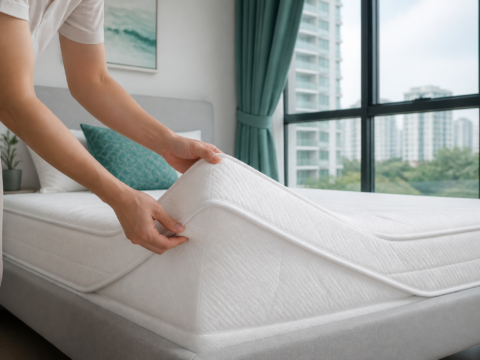
- Use allergen-proof mattress and pillow covers.
- Control humidity — air-conditioning and good ventilation help, since mites love moisture.
- Vacuum mattresses and soft furnishings, and reduce clutter and soft toys in the bedroom.
These steps target the dust mite allergy at its source. Sprays can help a little, but bedding and humidity habits matter more.
How to Deal With Bed Bugs
Bed bugs are a different challenge entirely. They breed fast, hide in dozens of crevices and survive months without feeding, so DIY sprays usually miss enough to let them rebound. If you’ve confirmed bed bugs, the reliable solution is professional bed bug treatment in Singapore, which targets adults and eggs across all their hiding spots.
Don’t waste time treating a bed bug problem with dust-mite measures, or vice versa — they need opposite approaches.
Could It Be Something Else?
Sometimes it’s neither. Itchy skin at night in Singapore can also come from:
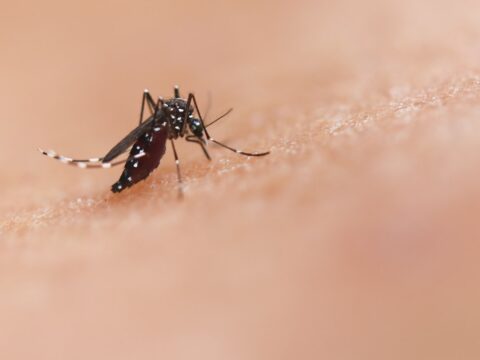
- Mosquito bites — usually single, puffy and on exposed skin; you may hear the buzz.
- Heat rash or eczema — common in our humid climate, often without any bug involved.
- Fabric or detergent irritation — new sheets or a switch in washing powder can trigger itching.
- Fleas — if you have pets, bites often cluster around the ankles and lower legs.
If you’ve ruled out bed bugs (no live insects, no dark spotting) and dust-mite measures don’t help, it’s worth considering these and, where needed, speaking to a doctor for an accurate diagnosis.
When to See a Doctor or Call a Professional
For persistent allergy symptoms that don’t improve with bedding and humidity changes, see a doctor or allergist for proper assessment. For confirmed bed bugs — live insects, repeated spotting or recurring bites — call a professional, since early treatment is faster and easier.
Why Singapore’s Climate Suits Both
Our warm, humid weather is a big part of why both problems are so common here — and why telling them apart matters even more:
- Dust mites thrive on moisture. They flourish in humidity above roughly 50%, which is most of the year in Singapore. Bedding, mattresses, soft toys and upholstery hold both the moisture and the shed skin flakes they feed on. Controlling humidity is therefore central to managing them — see dust mites and allergies for the fuller picture.
- Bed bugs breed faster in the heat. Warm indoor temperatures speed up their life cycle, so a few hitchhikers can become an established population quickly.
The practical takeaway: the same warm, humid bedroom can host both, but the fixes are opposite. Humidity control and allergen-proof covers tackle dust mites, while thorough, every-crevice treatment tackles bed bugs. If you’re battling dust-mite allergies specifically, our guide on how to get rid of dust mites goes deeper, including where a dust mite spray does and doesn’t help.
Frequently asked questions
Can you see dust mites?
Do dust mites bite?
I have welts but can’t find any bugs — which is it?
Can I treat both the same way?
Related guides
- Dust mites and allergies
- How to get rid of dust mites
- What bed bug bites look like
- How to check for bed bugs
- Mite bites: identification and treatment
*Confirmed bed bugs, not dust mites? Get a free assessment and professional bed bug treatment in Singapore.*