How to Treat Bed Bug Bites (and Stop the Itch)
Waking up with rows of itchy red welts? Effective bed bug bites treatment is mostly about relieving the itch, avoiding infection, and — crucially — dealing with the bed bugs themselves so the bites stop. Here’s calm, practical guidance for Singapore households, plus clear pointers on when to see a doctor.
What Bed Bug Bites Look Like
Bed bug bites are usually small, raised, red and very itchy. They often appear in a line or small cluster on skin exposed during sleep — arms, shoulders, neck, back and legs. Reactions vary a lot: some people show nothing, others develop noticeable welts a day or two after being bitten.
If you’re not sure whether bed bugs are the cause, our guide to what bed bug bites look like walks through how to tell them apart from mosquito and other insect bites.
Bed Bug Bites Treatment: Relieving the Itch
Most bites heal on their own within one to two weeks. The goal of bed bug bites treatment is comfort and avoiding infection from scratching.
- Wash the area with soap and water to keep it clean.
- Cool compress for a few minutes to calm swelling and itch.
- Over-the-counter relief such as antihistamine tablets or a hydrocortisone/calamine cream can ease itching — follow the label and ask your pharmacist if unsure.
- Keep nails short and resist scratching, which can break the skin and invite infection.
A pharmacist in any neighbourhood clinic or guardian-style store can recommend a suitable product for you or your child.
What to Avoid
Some popular “fixes” do more harm than good:
- Don’t scratch open the welts — broken skin can become infected.
- Don’t apply strong undiluted essential oils to broken skin; they can irritate.
- Don’t rely on bite cream to “solve” the problem — the bites will keep coming until the bed bugs are gone.
When to See a Doctor
Bites themselves are rarely dangerous, but see a doctor if you notice:
- Signs of infection: increasing redness, warmth, swelling, pus or pain.
- A widespread rash, blistering, or any difficulty breathing or swelling of the face — seek care promptly, as this can signal a severe allergic reaction.
- Bites that don’t improve after a couple of weeks, or that are severely affecting sleep.
This is general guidance only; a doctor can assess your situation and recommend the right treatment.
Treat the Source, Not Just the Bites
Here’s the honest truth: no cream stops bed bug bites for good if the bugs are still in your bed. Bed bugs hide in mattress seams, bed frames, headboards and skirting, and feed at night. As long as they’re present, the bites — and the disrupted sleep — continue.
To break the cycle:
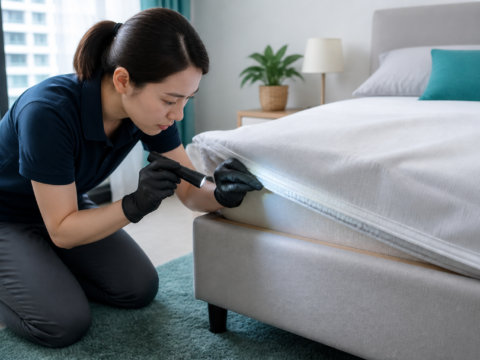
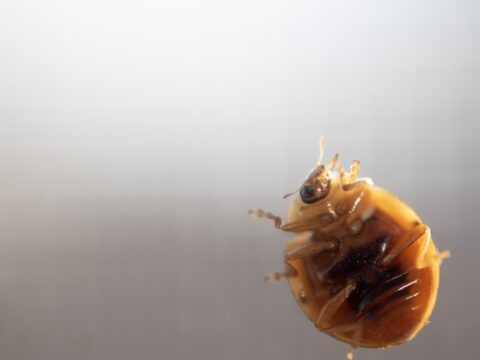
- Confirm the infestation. Check seams, frame joints and the headboard for live bugs, dark spotting (droppings) and shed skins.
- Reduce hiding spots. Wash and hot-tumble bedding, vacuum the mattress and frame, and declutter the bedroom.
- Don’t spread them. Avoid moving infested items to other rooms.
Bed bugs are notoriously resilient and hard to eradicate with DIY sprays alone. For anything beyond a single early sighting, professional bed bug treatment in Singapore targets eggs and adults across all their hiding spots — which is what finally stops the bites.
If you want to be sure before booking, see our guide on how to check for bed bugs.
How Long Do the Bites Last?
Most bed bug bites fade within one to two weeks, though reactions vary. Some people barely notice them; others find they stay itchy for longer or appear in fresh batches each morning. If new bites keep showing up day after day, that’s a strong sign the bed bugs are still active and feeding — the bites won’t stop until the infestation is dealt with. Try not to scratch, as broken skin both prolongs healing and risks infection.
Preventing Future Bites
Once the infestation is cleared, stay alert: inspect second-hand furniture before bringing it home, check hotel rooms when you travel, and keep an eye on bedroom seams. Catching bed bugs early makes treatment faster and the bites far easier to stop.
Bed Bug Bites vs Other Bites
One of the trickiest parts of treatment is being sure bed bugs are even the cause, because several bites look alike. A few pointers:
- Bed bug bites often appear in a line or small cluster on skin exposed during sleep, and tend to show up overnight.
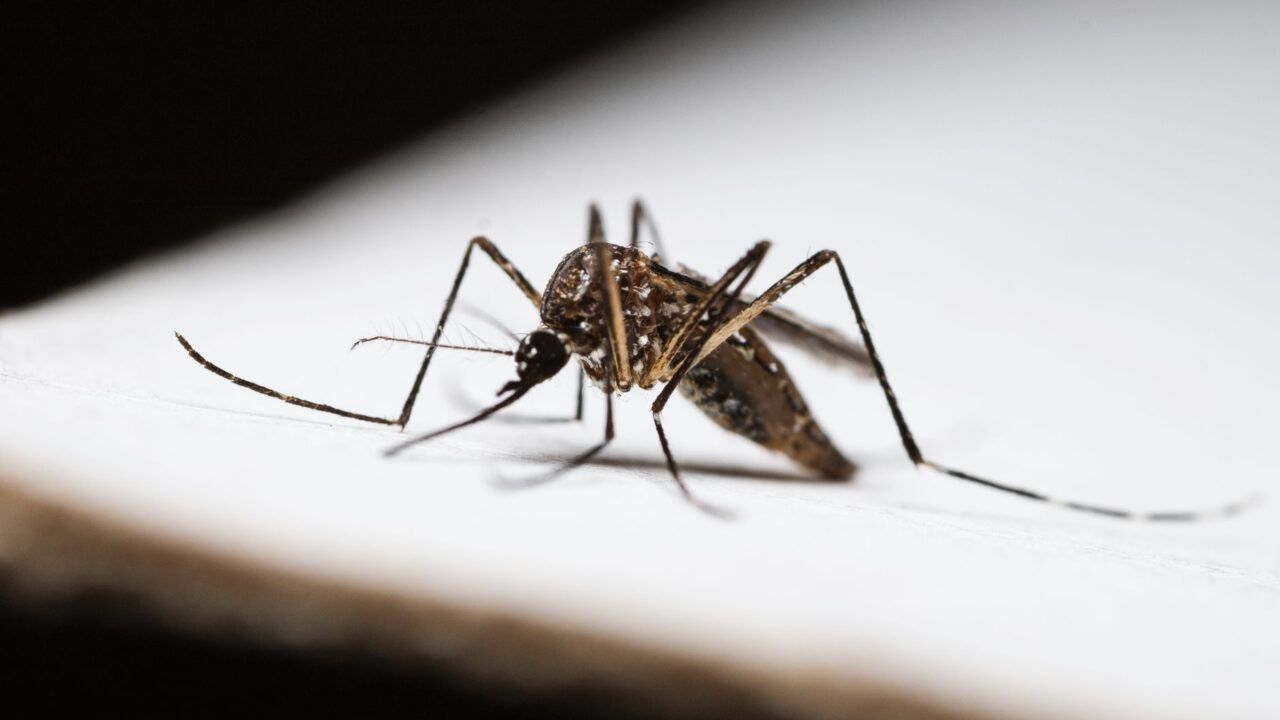
- Mosquito bites are usually single, puffy and itchy soon after, on any exposed skin — and you may hear the buzz. Our guide on bed bug bites vs mosquito bites breaks down the differences.
- Flea bites tend to cluster around the ankles and lower legs, especially in homes with pets.
If you’re getting bites but finding no insects or spotting at all, it’s worth reading bites but no signs of bed bugs before assuming the worst — the cause may be something else entirely.
Frequently asked questions
How long do bed bug bites take to heal?
Why do I keep getting new bites every morning?
Can I treat bed bug bites at home?
Do bed bug bites spread disease?
Related guides
- What bed bug bites look like
- Bed bug bites vs mosquito bites
- How to check for bed bugs
- How to prevent bed bugs
- Bed bugs in Singapore: signs, treatment, prevention
*Bites keep coming back? Treat the cause with professional bed bug treatment in Singapore and sleep easy again.*