How to Prevent Bed Bugs (Travel & Home Tips)
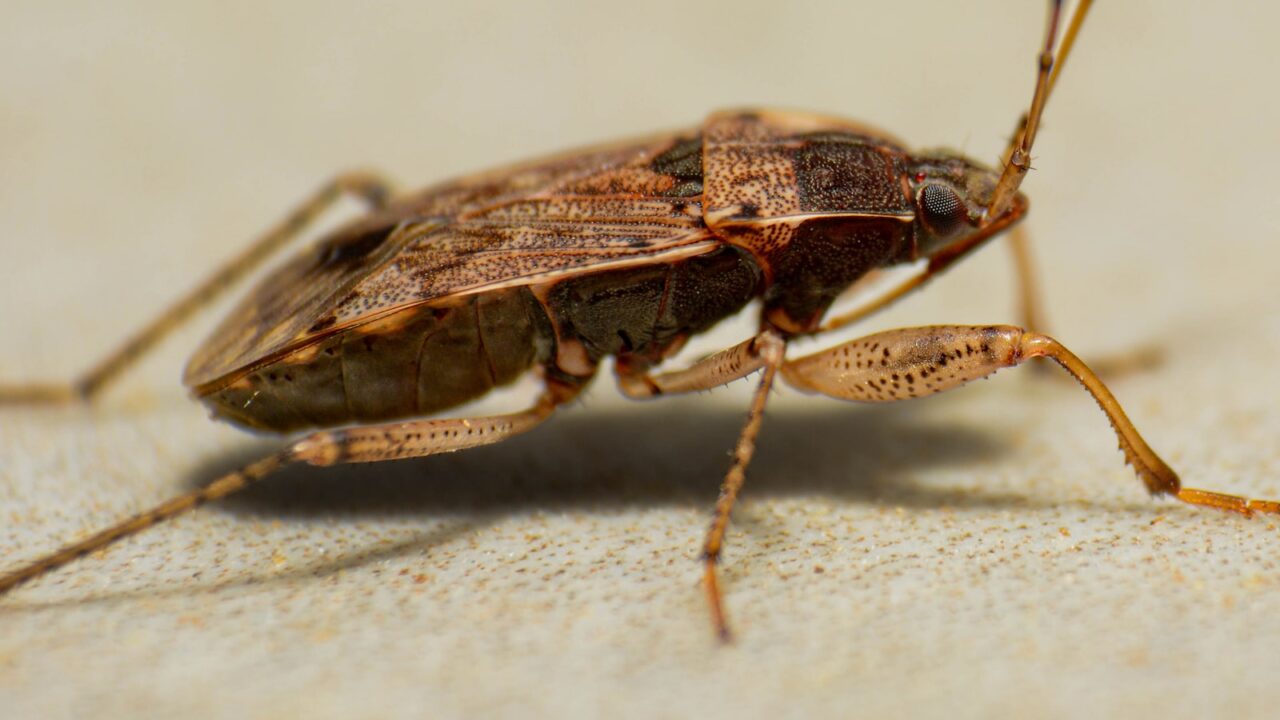
The cheapest, easiest way to deal with bed bugs is to never let them in. Once established, they’re notoriously hard to clear, so knowing how to prevent bed bugs is worth far more than any treatment. Most infestations in Singapore arrive through travel or second-hand items, and both are easy to guard against. Here’s how to keep bed bugs out of your home.
Where bed bugs come from
Bed bugs don’t appear from poor hygiene; clean homes get them too. They hitchhike in. The most common ways they reach a Singapore home are:
- Luggage and clothing after travel, especially hotel stays
- Second-hand or pre-loved furniture, mattresses and electronics
- Bags and items brought home from infested places
- Rarely, spreading between units in dense HDB or condo blocks
Understanding this is the key to prevention: control what comes into your home.
How to prevent bed bugs when travelling
Travel is the number one source. Build these habits into every trip:
- Check the room on arrival. Pull back sheets and inspect mattress seams, the headboard and the frame for dark spots or live bugs before settling in.
- Keep luggage off the bed and floor. Use the luggage rack, ideally away from the wall, or the bathroom where bed bugs are less likely.
- Bag dirty laundry. Seal worn clothes in a bag inside your suitcase.
- Inspect before you pack up. Give your case a quick check before leaving.
- Handle luggage carefully at home. Don’t put suitcases on the bed. Unpack and hot-wash travel clothes promptly, and tumble-dry on high.
These steps take minutes and prevent the most common route bed bugs take into Singapore homes.
How to prevent bed bugs from second-hand items
Pre-loved furniture is a great way to save money, and a classic way to import bed bugs. Before bringing any second-hand item home:
- Inspect seams, joints, cracks and crevices closely with a torch
- Be especially cautious with upholstered furniture and anything with fabric
- Avoid kerbside or discarded mattresses and sofas entirely
- Treat or thoroughly clean items before they enter your bedroom
Our step-by-step guide on how to check for bed bugs shows exactly what to look for.
How to make your home less inviting
You can’t fully “bed-bug-proof” a home, but you can make it harder for them to settle and easier to catch them early:
| Measure | Why it helps |
|---|---|
| Reduce clutter | Fewer hiding spots, easier inspection |
| Use mattress encasements | Traps any bugs and simplifies checks |
| Seal cracks in frames and skirting | Removes harbourage points |
| Inspect the bed periodically | Catches problems while small |
| Vacuum regularly | Removes stray bugs and eggs |
Act at the first sign
Prevention also means responding fast. The earlier you catch bed bugs, the simpler they are to clear. Watch for:
- Itchy bites in lines or clusters appearing overnight
- Tiny dark droppings in mattress seams
- Small blood spots on sheets
- Shed skins in crevices
Our guide on the early signs of bed bugs covers these in detail. If you spot them, don’t wait, and don’t move furniture to other rooms, which spreads the problem.
DIY limits and when to call a professional
Prevention is firmly a DIY responsibility, and good habits stop most infestations before they start. But if bed bugs do get in despite your best efforts, DIY rarely clears them fully. They hide in places you can’t reach and survive many household products.
If you confirm an active infestation, professional bed bug treatment in Singapore is the most reliable fix. Catching it early, thanks to good prevention habits, keeps that treatment quicker and cheaper.
The bottom line
You prevent bed bugs by controlling what enters your home: inspect after travel, be careful with second-hand items, reduce clutter, and act the moment you see a sign. These simple habits are far easier than dealing with an established infestation.
Prevention for HDB flats, condos and rentals
Singapore’s dense, shared living adds a wrinkle to prevention. In HDB blocks and condos, bed bugs can occasionally move between units along shared walls, service ducts and corridors — though hitchhiking on people and belongings is still by far the main route.
A few situation-specific habits help:
- Renting or in a shared flat? Inspect any furniture the unit came with before you move in, and raise concerns with your landlord or agent early if you spot signs.
- Living in a condo or managed estate? If a neighbouring unit is being treated, monitor your own bedroom closely and seal gaps around skirting and sockets on shared walls.
- Buying second-hand to furnish a new place? This is the riskiest moment of all — never bring a kerbside mattress or sofa indoors, and check everything else with a torch first.
For travellers, a quick refresher on bed bugs in hotels and travel tips covers the single most common way they reach Singapore homes, and where do bed bugs come from maps the other routes.
Frequently asked questions
Can keeping my home clean prevent bed bugs?
Do mattress encasements really help?
Are interceptors worth using as prevention?
What’s the single best prevention habit?
Can bed bugs come in on clothes I’m wearing?
Do bed bugs come through the air-con or vents?
Related guides
- How to check for bed bugs
- Bed bugs in hotels and travel tips
- Where do bed bugs come from
- Early signs of bed bugs
- How to get rid of bed bugs
*Think bed bugs have already slipped in? Get a free quote from Insect Out and we’ll help you confirm and clear them.*