
Healthcare & Pharmaceutical Pest Control Singapore
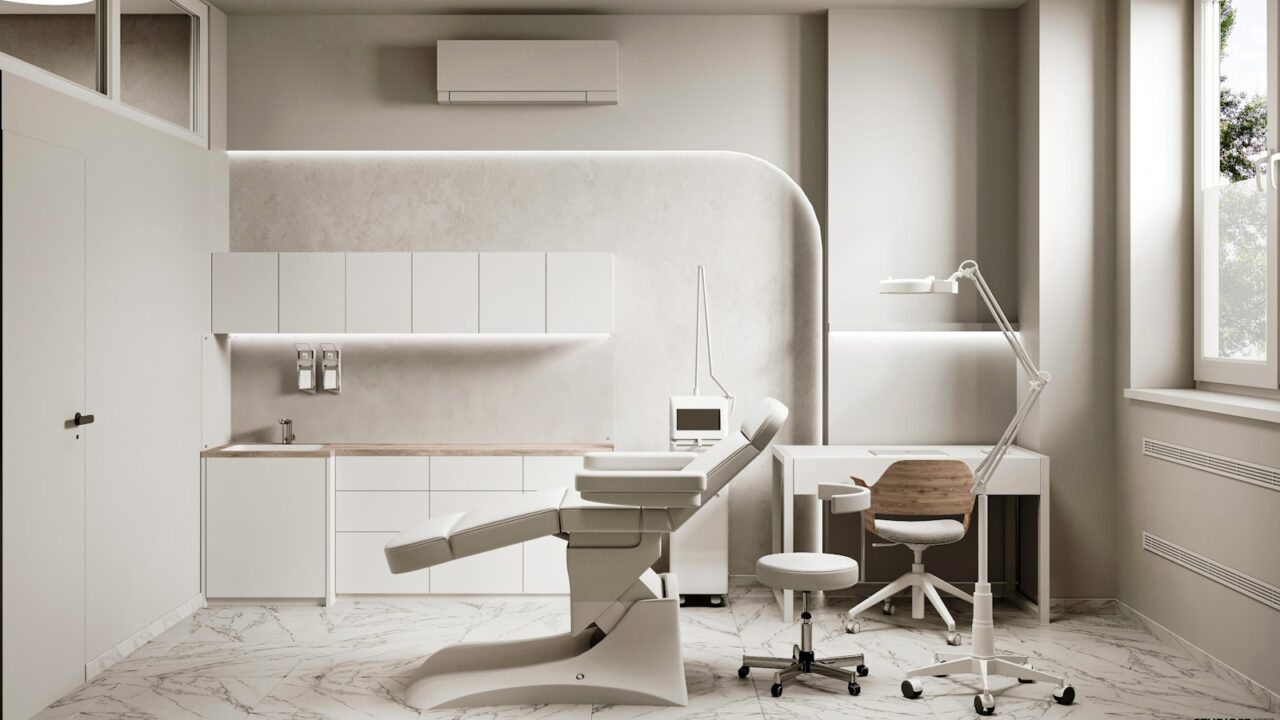
In a healthcare setting, a pest is never just a nuisance — it is a contamination risk, an infection-control failure waiting to be written up, and a threat to the trust patients place in your facility. Healthcare pest control in Singapore has to clear a higher bar than ordinary commercial work: treatments must be effective without compromising sterile areas, patient safety, or sensitive equipment, and every visit needs to stand up to scrutiny. Insect Out arranges scheduled, hygiene-critical pest programmes for clinics, hospitals, nursing homes, pharmaceutical facilities and laboratories — discreet, low-toxicity, and fully documented. If your premises serve vulnerable people or store medical and pharmaceutical products, this page explains how a proper programme works and what to expect.
This is one of the sectors we cover under our broader commercial pest control in Singapore service. Healthcare simply demands the strictest end of it.
Who this is for
Healthcare and life-science premises vary widely, but they share a low tolerance for pests and a high need for documentation. We work with:
- Clinics and medical centres — GP and specialist clinics, dental practices, day surgeries and polyclinic-style settings.
- Hospitals and inpatient facilities — wards, theatres-adjacent support areas, kitchens, pantries, laundries and waste-holding zones.
- Nursing homes and eldercare — where residents are frail, immunocompromised or unable to react quickly to bites or stings.
- Pharmaceutical and biomedical facilities — manufacturing, packing, cleanrooms-adjacent corridors, and warehousing of products and raw materials.
- Laboratories and research centres — where pests can ruin samples, skew results, and breach contamination controls.
What ties them together is that the people inside are often sick, elderly, or otherwise less resilient, and that the products and processes inside must remain uncontaminated.
The pests that target healthcare premises
Healthcare buildings combine warmth, food (in kitchens and pantries), water, waste and constant human traffic — everything a pest needs. The usual offenders in Singapore:
- Cockroaches spread bacteria across surfaces and trigger asthma and allergies, a serious issue around patients with respiratory conditions. They gravitate to kitchens, pantries, drains and warm equipment voids. See our cockroach control page for how the species differ.
- Rodents gnaw cabling and packaging, contaminate stored supplies with droppings and urine, and carry disease. In multi-storey facilities they travel through risers and ceiling voids — our rodent control approach is built around proofing as much as baiting.
- Mosquitoes are a public-health concern anywhere in Singapore given dengue, and standing water around plant rooms, planters and drainage is a breeding risk. Our mosquito control work focuses on source reduction.
- Ants raid pantries and can find their way into dressings, sugar solutions and waste — a hygiene and nuisance problem that ant control addresses at the trail and nest.
- Flies move between waste, drains and clinical areas, carrying contamination on their bodies.
The risks of getting it wrong
In healthcare, the stakes are not just operational — they are clinical and reputational.
- Contamination and infection control — pests are vectors. A cockroach or fly crossing a clean surface, or a rodent fouling stored supplies, undermines the entire chain of hygiene controls a facility works to maintain.
- Vulnerable people — patients and residents may have weakened immune systems, open wounds, or be unable to move away from a pest. The margin for error is small.
- Audits and inspections — healthcare facilities operate under NEA environmental-health requirements and their own accreditation and audit regimes. Inspectors expect to see a managed pest programme with records; an unmanaged sighting can become a finding. We keep documentation audit-ready and recommend you confirm current rules directly with NEA and your accrediting bodies.
- Reputation — few stories travel faster than a pest in a hospital or care home. Confidence, once lost, is hard to rebuild.
Our approach: a hygiene-critical IPM programme
We use Integrated Pest Management (IPM) — a structured method that prioritises inspection, exclusion and monitoring, and reserves chemical treatment for where it is genuinely needed and safe. In a healthcare setting that emphasis on low intervention is exactly right.
- Site assessment — we walk the premises with you, map risk areas (kitchens, waste, plant rooms, loading and storage), identify pest pressure and entry routes, and agree which areas are sensitive or restricted.
- Treatment matched to the area — gel baits, bait stations and targeted crack-and-crevice work rather than broadcast spraying near patients or products. In sensitive zones we favour non-chemical methods — proofing, trapping and monitoring — wherever they can do the job.
- Monitoring — discreet monitoring devices and routine checks track activity over time so trends are caught early, before they become infestations.
- Documentation — every visit is logged: what was found, what was done, what was recommended, and trend data over time. This is the audit trail your inspectors and accreditors will ask for.
Treatments are scheduled around your operations — after-hours, during low-activity windows, or in staged areas — so patient care and production are never disrupted, and so technicians stay clear of restricted zones.
Sector-specific considerations
- Low-toxicity first — we lean on IPM, physical exclusion and carefully placed baits to minimise chemical use around people and products. Where treatment is needed, products are applied precisely and out of reach.
- Sensitive and restricted areas — cleanrooms, pharmacies, theatres and lab zones have their own access and contamination rules. We work to your protocols and stay out of areas we shouldn’t enter.
- Discreet service — uniformed, briefed technicians who understand they are working around patients and visitors, with equipment kept out of public sightlines.
- Documentation and audit trails — service reports, site plans, monitoring logs and recommendations kept current and accessible, so a request from NEA or an auditor is a five-minute task, not a scramble.
Prevention and proofing
Treatment clears what’s present; proofing keeps the next wave out. We identify and help close the gaps pests use — around pipe and cable penetrations, door sweeps, drains, waste areas and external openings. Where windows and ventilation openings are part of the building, fitting insect mesh screens keeps mosquitoes and flying insects out while air still moves — a simple, chemical-free layer that pairs well with a treatment programme. Good waste discipline, prompt spill clean-up, and dry, decluttered storage do much of the rest.
Frequently asked questions
Are the treatments safe around patients and medication?
Can you work around our operating hours and restricted zones?
Will we get documentation for audits?
How often should servicing happen?
Related guides
- Commercial pest control in Singapore
- What does pest control include?
- One-time vs contract pest control
- How to choose a pest control company in Singapore
- Signs you need professional pest control
*Tell us about your premises below for a free commercial pest control quote and site assessment.*
Ready to keep the bugs out?
Get a free, no-obligation quote tailored to your windows.
Get a free quote
Tell us about your windows and we’ll connect you with a trusted installer.