
Industrial & Warehouse Pest Control Singapore
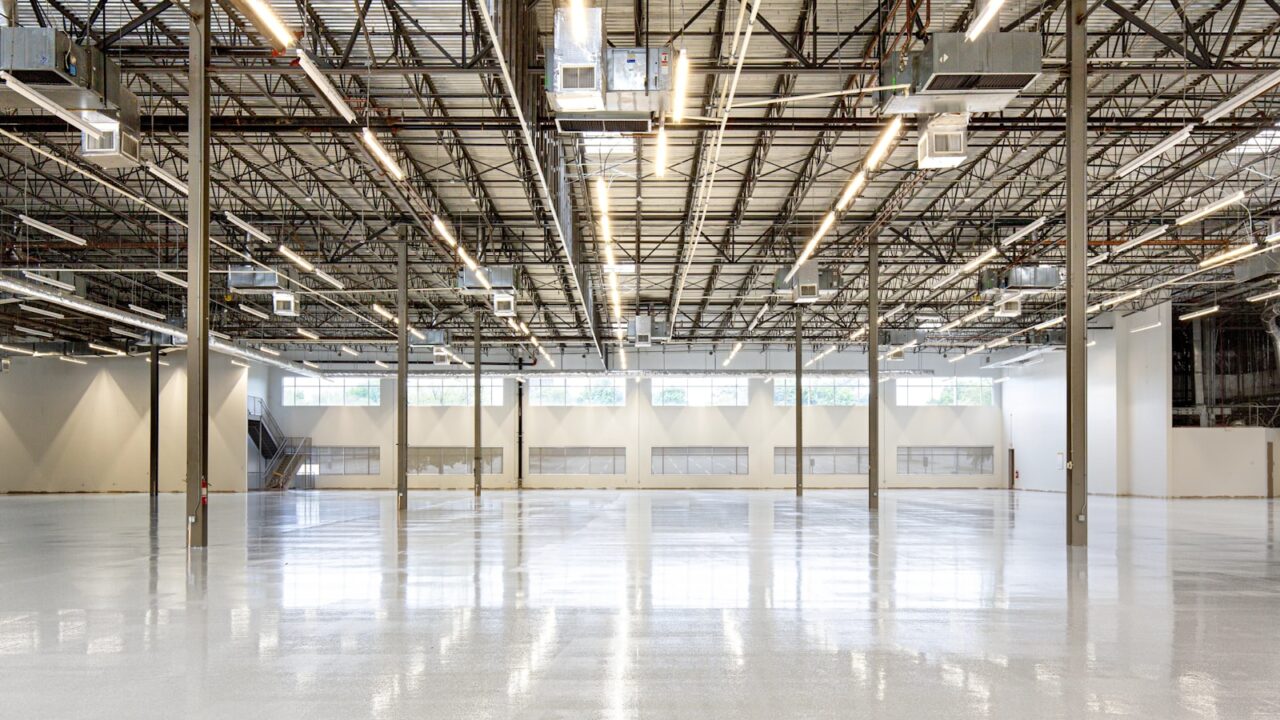
Factories, warehouses and logistics facilities are some of the hardest premises in Singapore to keep pest-free — and some of the most costly to get wrong. Large floor plates, constantly opening loading bays, stored goods, and 24-hour movement of pallets and people give pests endless ways in and plenty of places to hide. Industrial pest control in Singapore is about managing that scale: protecting stored product, keeping rodents and birds out of vast buildings, and producing the documentation your customers and auditors demand. Insect Out arranges scheduled industrial and warehouse pest programmes built around proofing, bait-station networks and proper records — not the occasional reactive spray.
This is one of the sectors under our wider commercial pest control in Singapore service, tuned for the realities of industrial sites.
Who this is for
- Warehouses and distribution centres — bulk storage, racking, cross-dock and cold-chain facilities.
- Factories and manufacturing plants — food, packaging, electronics, chemicals and general production.
- Logistics and freight facilities — forwarding, container yards, and goods-handling sheds where shipments arrive from everywhere.
- Storage and self-storage operators — where customers’ goods must stay protected and uncontaminated.
What these share is size, porous perimeters, and stored goods that pests want to eat, nest in, or contaminate.
The pests that target industrial premises
- Rodents are the number-one industrial pest. Rats and mice gnaw cabling (a genuine fire and downtime risk), chew through packaging, and contaminate stock with droppings and urine. They exploit loading bays, gaps under doors, and utility penetrations, and they travel through ceiling voids and racking. Our rodent control programmes pair perimeter bait stations with hard proofing.
- Birds roost on rafters, ledges and external structures, fouling stock and walkways, blocking gutters and creating slip and contamination hazards. Pigeons in particular are a persistent issue around loading areas.
- Stored-product pests — beetles, weevils and moths infest grain, flour, dry goods, packaging and raw materials, spreading through a warehouse from a single contaminated pallet. Our guides on weevils in rice, grain and flour beetles and pantry pests cover how these establish.
- Cockroaches colonise canteens, drains, electrical rooms and warm equipment voids — see cockroach control.
- Mosquitoes breed in any standing water around large sites — gully traps, planters, container yards and roof drainage — a dengue risk our mosquito control work targets at source.
The risks of getting it wrong
- Stock loss and contamination — a stored-product infestation or rodent fouling can write off entire pallets and trigger customer rejections and recalls.
- Downtime and damage — gnawed cabling causes electrical faults, equipment failure and fire risk; pest activity can halt a line or a dispatch.
- Failed audits — many industrial clients operate to ISO, GMP, retailer or third-party standards that require a documented pest programme with trend analysis and corrective actions. A gap in records, or live activity at inspection, becomes a non-conformance. We keep documentation audit-ready; confirm the exact scheme requirements with your certifying body and current NEA rules.
- Contractual and reputational fallout — losing a customer’s confidence in your storage conditions can cost far more than any single infestation.
Our approach: a scheduled, documented programme
We build industrial programmes around prevention and monitoring, with treatment reserved for where it is needed — an Integrated Pest Management (IPM) approach that scales to large sites.
- Site survey — we map the building inside and out: perimeter, loading bays, drains, racking, canteens, plant rooms and external grounds. We identify entry points, harbourage and the goods most at risk.
- Bait-station network and monitoring — a numbered, mapped network of external rodent bait stations and internal monitoring points, checked on a set schedule so activity is caught early and trends are tracked over time.
- Targeted treatment — crack-and-crevice work, residual treatment and fly control in canteens, drains and high-risk zones; insect monitoring for stored-product pests so an incoming infestation is spotted before it spreads.
- Proofing — sealing gaps, fitting door sweeps and brush strips on loading-bay and personnel doors, screening vents, and closing utility penetrations so the building itself does more of the work.
- Documentation — site plans, station maps, service reports, trend data, recommendations and corrective-action logs, kept current for ISO, GMP, retailer and NEA audits.
Visits are scheduled around shift patterns and dispatch windows so the programme runs without disrupting operations.
Sector-specific considerations
- Large premises — a small site needs a few stations; a distribution centre needs a planned, mapped network with a logical inspection route. Scale is designed in from the start.
- Loading bays and open doors — the biggest weak point in any warehouse. We focus heavily on bay proofing, door discipline and perimeter pressure to stop the constant flow of rodents and birds through openings.
- Stored-product protection — incoming-goods checks, stock rotation guidance, and insect monitoring so a contaminated delivery doesn’t seed the whole warehouse.
- Audit and certification support — records structured to drop straight into your audit pack, with trend analysis and recommended actions.
Prevention and proofing
Treatment clears what’s present; proofing keeps an industrial building defensible long-term. We prioritise the structural fixes that pay off most: sealing the perimeter, proofing loading bays and doors, managing external waste and vegetation away from walls, and keeping drainage clear of standing water. Inside, good housekeeping, prompt spill clean-up, stock rotation and decluttered racking remove the food and harbourage pests rely on. Where there are ventilation openings, office areas or canteens with windows, fitting insect mesh screens keeps flying insects out while air moves — a simple, chemical-free layer. Our guides to keeping rats away and bird control for HDB and condos cover the principles, which scale up to industrial sites.
Frequently asked questions
How do you keep rodents out of a building with loading bays open all day?
Will the programme meet our ISO or customer audit requirements?
Can you protect stored food and raw materials from stored-product pests?
How often will you visit?
Related guides
- Commercial pest control in Singapore
- Pest control for warehouses and factories
- What does pest control include?
- How often should you do pest control?
- How to choose a pest control company in Singapore
- Signs you need professional pest control
*Tell us about your premises below for a free commercial pest control quote and site assessment.*
Ready to keep the bugs out?
Get a free, no-obligation quote tailored to your windows.
Get a free quote
Tell us about your windows and we’ll connect you with a trusted installer.