Grain & Flour Beetles in Your Pantry (Singapore)
Finding tiny beetles crawling in your flour, rice or cereal is unpleasant, but it’s a common stored-product pest problem in Singapore’s warm, humid kitchens. A flour beetle infestation usually starts in one packet and spreads through the pantry if not dealt with. This guide explains how to identify, clear and prevent grain and flour beetles.
What is a flour beetle?
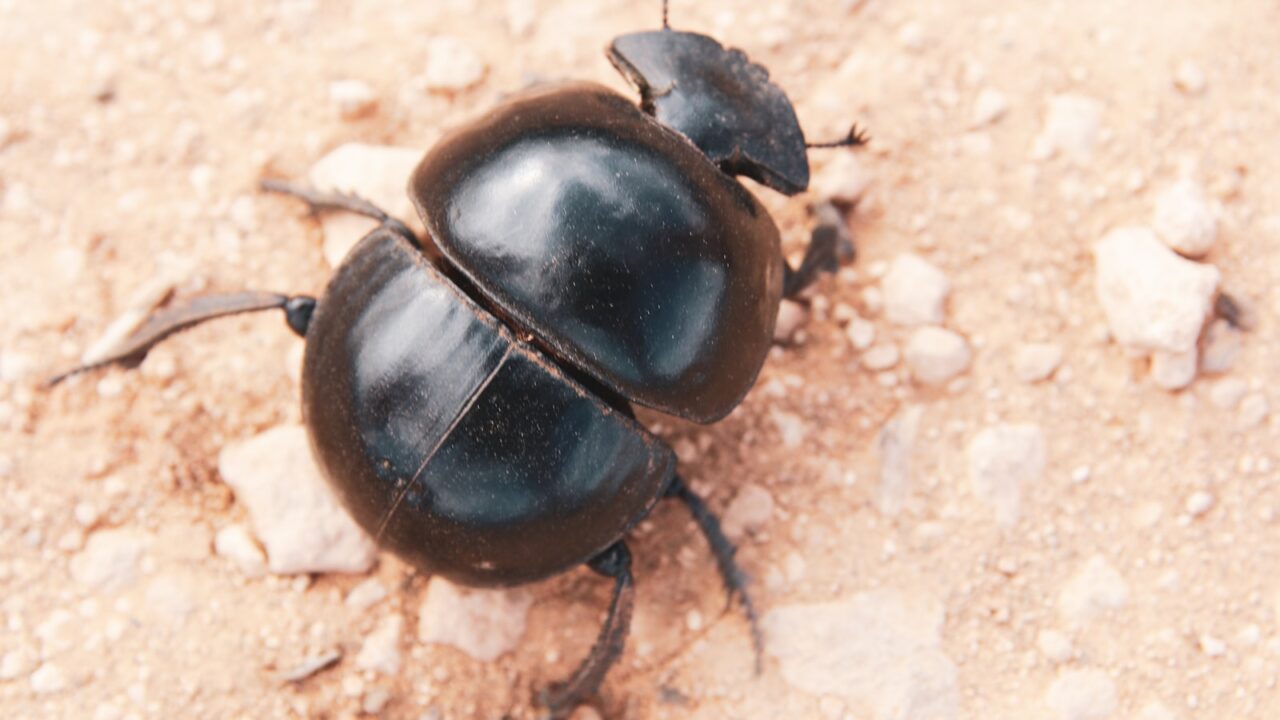
A flour beetle is a small reddish-brown beetle, only a few millimetres long, that feeds on flour, grains, cereals, dried pasta and similar stored foods. The two most common types in homes are the red flour beetle and the confused flour beetle — both look very similar and behave the same way.
They infest broken grain, flour and processed cereal products rather than whole, intact rice grains (which weevils prefer). In Singapore’s heat, they can breed quickly all year round.
Signs of grain and flour beetles
Check your pantry for:
- Small brown beetles crawling in or around flour, cereal or grain packets.
- Tiny larvae (small, pale, worm-like) in the food.
- A musty or off smell in heavily infested products.
- Webbing or clumping in flour.
- Beetles wandering on shelves, near other packets they’ve moved into.
Because eggs and larvae hide *inside* food, an open packet can be infested before you notice adults walking about.
How to get rid of flour beetles
Tackle the infestation thoroughly — half-measures let it bounce back:
- Find and discard infested food. Check every grain, flour, cereal, pasta, spice and pet-food packet. Throw out anything with beetles or larvae, sealed in a bag, into an outdoor bin.
- Inspect borderline items. If a packet looks clean but you’re unsure, you can freeze it for several days to kill any hidden eggs and larvae before keeping it.
- Empty and vacuum the pantry. Get into corners, shelf edges and cracks where larvae hide.
- Wipe down shelves with soapy water or a mild vinegar solution, then dry fully.
- Clean storage containers before refilling.
Avoid spraying insecticide near food and food-contact surfaces — physical cleaning, discarding and freezing are the safe, effective approach for a pantry.
Storing food to keep beetles out
Prevention is mostly about denying them food and entry:
- Use airtight containers — glass or hard plastic with tight lids, not just the original paper or thin plastic packaging, which beetles can chew or enter.
- Buy in sensible quantities so food doesn’t sit for months.
- Use older stock first (first in, first out).
- Freeze new flour or grains for a few days before storing, as a precaution.
- Keep the pantry dry and cool, and wipe up spills and crumbs promptly.
Airtight storage is the single most effective habit — it stops one infested packet from reaching the rest of your food.
Flour beetles vs weevils vs pantry moths
Several pantry pests get confused:
- Flour beetles prefer flour, cereal and broken grain.
- Rice weevils bore into whole grains like rice — see how to get rid of weevils in rice.
- Pantry moths leave webbing and caterpillars; learn the signs in what is a pantry moth.
You can have more than one at once, so inspect everything when you find any of them.
When to call a professional
Most pantry beetle problems are solved with a thorough clear-out and better storage. Consider professional help if:
- Beetles keep returning despite discarding food and deep-cleaning.
- They’ve spread beyond the kitchen into other rooms.
- You can’t find the source.
A persistent or spreading infestation may point to a hidden source, where professional pest control in Singapore can help locate and treat it.
Where flour beetles come from
Understanding the source helps you prevent the next outbreak. Flour beetles often arrive in one of these ways:
- In the packaging. Eggs or larvae can already be inside flour, cereal or grain when you buy it, then develop on your shelf.
- From a forgotten packet. An old, half-used bag of flour or cereal at the back of the pantry can quietly breed beetles that then spread.
- Crawling in from outside. Adults can wander in and find an open packet to colonise.
This is why a single thorough clear-out, paired with airtight storage, usually solves the problem: you remove the breeding sites and deny new arrivals a foothold.
Are flour beetles harmful?
Flour beetles don’t bite or sting, and they don’t spread disease the way some pests do. The main issues are food contamination and waste — infested food should simply be discarded. Eating a small amount unknowingly is generally not dangerous, but heavily infested food may smell off and is best thrown out for quality reasons alone. The priority is hygiene: clear the source, store food properly, and keep the pantry dry and crumb-free.
Why Singapore kitchens are prone to pantry beetles
Our climate does the pests a favour. Warm temperatures and high humidity year-round let flour beetles complete their life cycle quickly, so a small problem can build up faster than it would in a cooler country. Bulk-buying staples like flour, rice flour, cereal and pet food, then storing them in their original paper or thin plastic packaging at the back of a warm cabinet, gives beetles exactly what they need: food, warmth and time. Pantry beetles also slip in through dried spices, noodles, biscuits and pet kibble, not just baking flour — so when you do a clear-out, check those too, and don’t assume a sealed-looking commercial packet is safe, since eggs can already be inside on purchase.
Common mistakes that let them come back
A few habits quietly undo a clean-out:
- Treating only the obvious packet. Beetles wander, so eggs and larvae may already be in neighbouring items. Check everything, not just the bag you found them in.
- Refilling old containers without washing them. Eggs lodge in lid threads and corners; wash and dry containers before refilling.
- Keeping a single forgotten bag. One half-used sack at the back can re-seed the whole pantry within weeks.
- Storing in the original packaging. Paper and thin plastic are easily chewed through — transfer staples to airtight glass or hard plastic.
Frequently asked questions
Is it safe to eat food with flour beetles in it?
Will flour beetles spread to the rest of my house?
Do I need insecticide?
How are flour beetles different from weevils?
Related guides
- Weevils in rice: how to get rid
- What is a pantry moth
- How to get rid of pantry pests
- How to pest-proof your kitchen
- Pest control in Singapore
*Pantry beetles keep coming back? Get a free quote from Insect Out.*