Pest Control for Restaurants & F&B in Singapore

A single cockroach spotted by a diner can do more damage than a slow night. For F&B operators, restaurant pest control Singapore wide is not just about hygiene — it is part of keeping your licence in good standing and your reputation intact. This guide covers the pests you are most likely to face, what NEA generally expects, and how a structured programme keeps your kitchen audit-ready.
Why F&B is a magnet for pests
Restaurants combine everything pests want: food, water, warmth and hiding places. Singapore’s year-round heat and humidity only speed things up.
Common offenders in local F&B premises include:
- German cockroaches — the small, fast species that thrive in warm kitchen equipment, behind fridges and inside cracks.
- American cockroaches — larger roaches that travel up from drains, grease traps and rubbish areas.
- Rodents — rats and mice drawn to stored food and waste.
- Flies — house flies and fruit flies around prep areas, bins and drains.
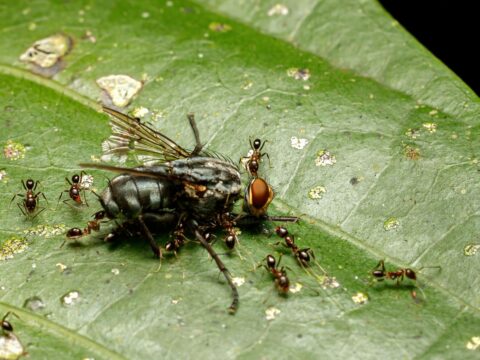
- Ants — trailing to sugar, sauces and spills.
Effective restaurant pest control in Singapore has to address all of these, not just the pest you happened to see.
What NEA generally expects
NEA licenses food establishments and conducts inspections, and pest management is a recognised part of food hygiene. While exact requirements depend on your premises and licence, in general terms operators are expected to:
- Keep the premises free of pest infestation and harbourage.
- Maintain proper waste handling and drainage so pests have no food or breeding sites.
- Engage pest management and keep records that show ongoing control, not just one-off reactions.
Treat documentation seriously. Service reports, a pest sighting log and proof of scheduled visits are exactly what inspectors and auditors look for. We always recommend confirming current rules directly with NEA for your specific licence type rather than relying on assumptions.
Build prevention into daily operations
No treatment can outpace a kitchen that feeds pests every night. Prevention is the cheapest control you have.
- Close the kitchen down clean. Wipe surfaces, clear food debris and empty bins before lock-up.
- Manage waste tightly. Use lidded bins, remove rubbish frequently and keep the bin centre or refuse area clean.
- Fix the building envelope. Seal gaps around pipes, screen vents and windows, and fit door sweeps so rodents and roaches cannot walk in.
- Stay dry. Clear standing water, maintain grease traps and unblock floor drains where roaches and flies breed.
- Inspect deliveries. Pests hitchhike in cartons and produce — check incoming stock.
These habits cut the workload for any professional programme and keep the spaces between visits under control.
How professional restaurant pest control Singapore services work
A reactive spray when you spot something is not a programme. A proper professional pest control service for F&B is scheduled, documented and tailored to your layout.
A typical setup includes:
| Element | What it covers |
|---|---|
| Inspection | Mapping hot spots, harbourage and entry points |
| Treatment | Targeted gel baiting, monitoring stations, crack-and-crevice work |
| Monitoring | Rodent stations and insect monitors checked each visit |
| Reporting | Service report, recommendations and trend tracking |
| Frequency | Usually monthly for active kitchens; adjusted to risk |
Because cockroaches are the number-one F&B issue, dedicated cockroach control — using gel baits and growth regulators rather than broad sprays — is usually the core of the plan. It works around food prep without contaminating surfaces.
Front-of-house and back-of-house both matter
It is easy to focus on the kitchen and forget that diners only ever see the front. Both zones need attention, for different reasons.
- Back-of-house — the kitchen line, dishwashing area, dry store, cold room, grease trap and bin centre are where infestations actually start and breed. This is where baiting, monitoring and the hardest housekeeping belong.
- Front-of-house — the dining room, bar, service stations and booth seating are where a single sighting costs you a review or a complaint. Crumbs under banquette seating, sugar at the coffee station and drinks spills behind the bar quietly feed ants and roaches.
A programme that treats the kitchen but ignores the dining-room seating, planter boxes and entrance is only doing half the job. Insect mesh on openable windows and well-fitted door sweeps at service entrances also cut the number of flying and crawling pests that wander in during service.
Common mistakes that keep restaurants infested
Even well-run kitchens slip in predictable ways:
- Relying on sprays you buy yourself. Surface sprays scatter cockroaches deeper and rarely reach harbourage behind equipment.
- Letting cardboard pile up. Delivery cartons are a favourite roach harbourage and a classic way stock-borne pests arrive — break them down and remove them daily.
- Ignoring the grease trap and floor drains. These are prime breeding sites for American cockroaches and drain flies; if they are neglected, no amount of counter-wiping fixes the problem.
- Treating only after an inspector flags it. Reactive control leaves gaps in your records and your hygiene. A scheduled programme is what keeps you genuinely audit-ready.
Frequently asked questions
How often should a restaurant be serviced?
Should an F&B business choose a one-off visit or a contract?
Will treatment shut my kitchen down?
What records should I keep?
Related guides
- Cockroach control in Singapore
- Office pest control in Singapore
- Pest control for warehouses and factories
- How to get rid of fruit flies
- How to pest-proof your kitchen
- Keeping pests out of the rubbish chute
Handling an active infestation
If you already have a problem, act before it becomes a public one.
- Call a professional immediately. A visible roach or rodent in a dining area needs a fast, thorough response, not a supermarket spray.
- Deep clean alongside treatment. Pull out equipment, clean behind and underneath, and clear all harbourage.
- Find the source. Treating symptoms without fixing a leaking drain or open gap just resets the clock.
- Re-inspect. Schedule follow-ups to confirm the population is gone, not just hiding.
Staff training matters too — make sure your team knows how to report sightings and keep the log current.
Keeping it sustainable
Pest control for a restaurant is an ongoing relationship, not a single visit. The operators who stay clean are the ones who combine tight daily hygiene with a regular, documented service and quick action when something slips through. That combination is what keeps you compliant and your customers confident.
If your kitchen needs a reliable, audit-ready programme, contact us for a free quote and we will match you with the right F&B pest control plan.
*Protect your premises and your licence with structured restaurant pest control in Singapore — get a free quote today.*