Keeping Pests Out of Your HDB Rubbish Chute

The rubbish chute is convenient — and it’s a highway for pests. Warm, damp and full of food waste, the chute breeds cockroaches and flies that then find their way into your kitchen. Managing HDB rubbish chute pests is mostly about keeping the hopper sealed and your own waste in check. Here’s how.
Why the chute is a pest magnet
The chute combines everything pests need:
- Food waste in abundance, all the way down the shaft.
- Warmth and humidity in an enclosed space.
- Darkness and shelter in the shaft and hopper.
- A direct route into your flat through the chute hopper opening.
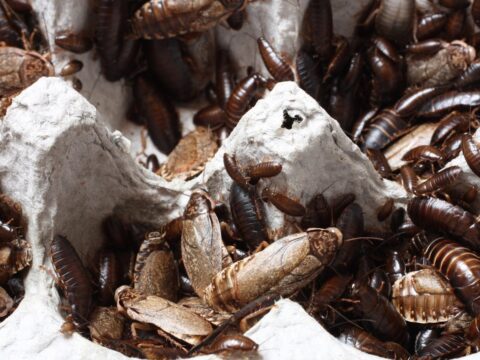
American cockroaches in particular thrive in chutes and drains, and they’re strong fliers — so they readily come up through the hopper into the kitchen. Flies breed on exposed food waste.
Keep your hopper sealed
The chute hopper is the gateway between the shaft and your kitchen. The single most effective thing you can do is keep it shut and sealed:
- Make sure the hopper door closes fully and isn’t propped or jammed.
- Check the rubber seal or flap — replace it if it’s torn or missing so it isn’t left gaping.
- Keep the area around the hopper clean and dry.
A hopper that doesn’t seal is an open door for roaches climbing the shaft.
Bag and manage your waste properly
What you throw down matters for the whole stack:
- Double-bag wet and food waste and tie it tightly so nothing leaks in the shaft.
- Don’t leave rubbish bags sitting by the hopper or in the kitchen overnight.
- Rinse containers before disposal to cut food residue.
- Don’t pour liquids or loose food waste straight down the chute.
Better disposal habits reduce the food supply for the entire chute, which benefits your neighbours too.
Protect your kitchen
Even with a sealed hopper, treat the area as a pest entry point:
- Keep the chute-area floor and surroundings clean.
- Place a discreet gel bait or bait station near the hopper for roaches.
- Seal gaps and cracks around the hopper frame where pests could slip through.
- Keep food sealed and surfaces clean so anything that does get in finds nothing.
A chute pest problem and a kitchen roach problem feed each other, so handling both together works best.
What’s the Town Council’s role?
The chute shaft and the centralised bin centre are common property, maintained by your Town Council. They handle shaft cleaning and pest treatment of the common chute system. If you’re seeing heavy roach or fly activity from the chute across the block — not just your flat — report it to your Town Council so they can clean and treat the shaft.
Your responsibility is the hopper in your flat and your own waste habits. Both sides need to work for the chute to stay manageable.
Flies and other chute pests
Cockroaches get the attention, but the chute breeds more than roaches. Decomposing food waste in the shaft attracts houseflies and small fruit flies, which then drift up through the hopper into the kitchen. Drain flies can appear too where the shaft stays damp.
The fix is the same as for roaches: cut the food supply by bagging waste tightly, keep the hopper sealed, and keep your kitchen surfaces clean so flies find nothing to feed or lay on. If flies are persistent across the block, it usually points to the shaft needing a clean from the Town Council. A simple residential fly trap near the chute area can help in the meantime, but it’s a stop-gap, not a cure — the source is the waste in the shaft.
When to call pest control
If cockroaches keep coming up the chute into your flat despite a sealed hopper and clean kitchen, the infestation in the shaft may be heavy, or roaches may have established inside your unit. Professional cockroach control can treat your flat and the entry points, and you can flag the common shaft to the Town Council in parallel.
For flying roaches that come up the chute and into the kitchen, our guide on how to get rid of flying cockroaches in Singapore has more tactics.
Don’t forget rodents and maggots
Roaches and flies get the headlines, but a poorly managed chute can draw worse. Rats are strong climbers and will use a chute shaft and bin chamber as a food source and a route between floors; if you’re hearing scratching near the chute wall or seeing droppings, that’s a job for rodent control alongside flagging the common shaft to your Town Council. And where wet food waste sits unbagged, blowfly eggs hatch into maggots within a day or two in our heat — our guide on how to get rid of maggots covers clean-up, but the prevention is the same: bag tightly, don’t let bags linger by the hopper, and rinse containers.
Because the chute is shared infrastructure, persistent block-wide problems often need a coordinated response. For condos, the pest control arrangements for condos and MCST work similarly to a Town Council’s role in HDB estates.
Frequently asked questions
Whose job is the chute — mine or the Town Council’s?
Roaches keep flying up into my kitchen — what now?
How do I stop fruit flies from the chute?
Related guides
- How to get rid of flying cockroaches in Singapore
- How to get rid of house flies
- How to get rid of fruit flies
- Rodent control in Singapore
- Pest control for condos and MCST
Keeping HDB rubbish chute pests out is a shared effort: seal your hopper, bag your waste well, treat the entry point, and let the Town Council handle the shaft. Do your part and the chute stops being a pipeline into your kitchen.
*Roaches still coming up the chute? Get cockroach control for your flat.*