How to Get Rid of Maggots (Fast)
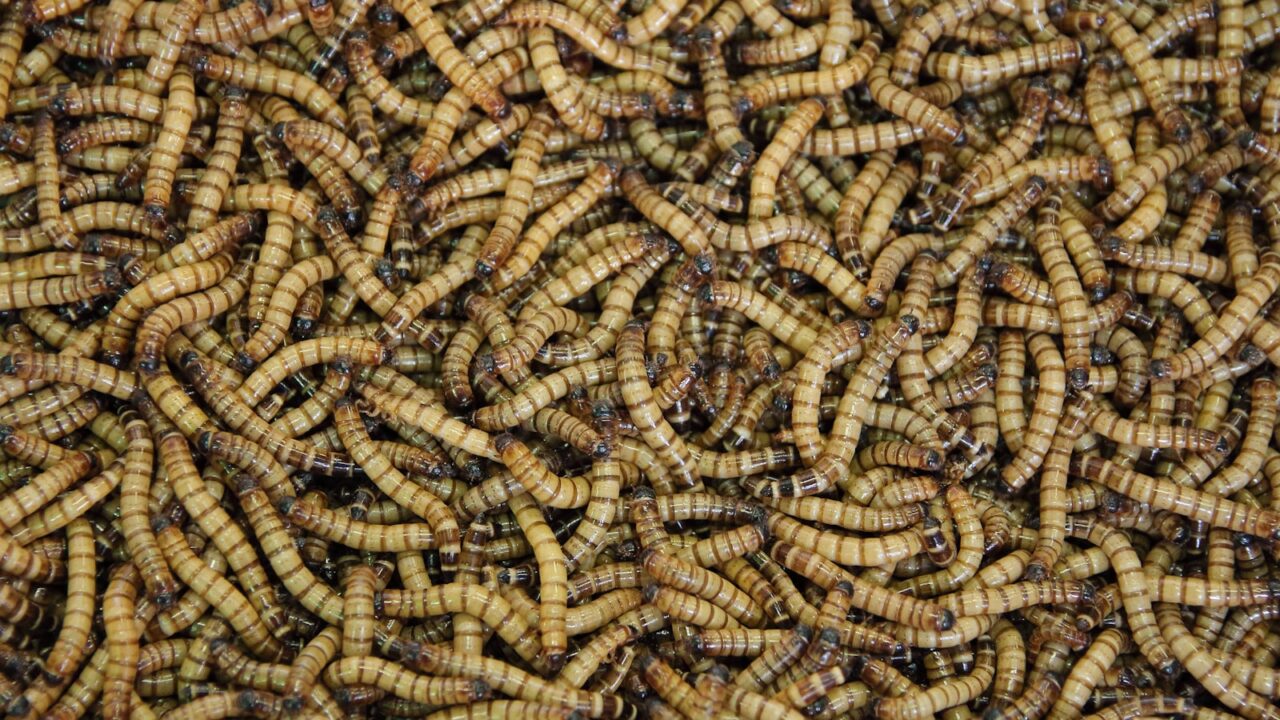
Lifting a bin lid to a writhing mass of maggots is one of the more stomach-turning moments of home life — and in Singapore’s heat, fly eggs hatch into maggots within hours. The good news is that getting rid of maggots is straightforward once you know how, and the real win is stopping flies from breeding in the first place. Here’s how to deal with maggots fast and keep them gone.
What maggots actually are
Maggots are fly larvae. Adult flies lay eggs on decaying food, meat scraps or other organic waste, and in Singapore’s warm, humid climate those eggs hatch quickly. The maggots feed, then pupate and emerge as new flies — which lay more eggs.
So maggots are a symptom: wherever you find them, a fly has been breeding. Knowing how to get rid of maggots is half the job; cutting off the breeding source is the other half. If flies are the bigger issue, see our guide on how to get rid of house flies.
How to get rid of maggots fast
For maggots in a bin, drain or floor, act quickly:
- Pour boiling water directly over the maggots — this is the fastest, chemical-free way to kill them.
- For a heavier mass, a mix of boiling water with some dish soap or a little salt helps.
- Scoop or sweep up the dead maggots and seal them in a bag.
- Empty the bin completely and remove all waste.
- Scrub the bin inside and out with hot, soapy water to remove residue and egg traces.
- Dry it fully before relining — flies are drawn to damp, smelly bins.
Avoid relying on insect spray alone; it often misses maggots buried in waste, while boiling water reaches them directly.
Maggots in unexpected places
Sometimes maggots turn up away from the bin:
- In drains: flush with boiling water and clean the drain; food residue is the cause. Persistent small flies around a drain often point to drain flies breeding in the gunk.
- On the floor or wall: they’re usually crawling away from a hidden food source to pupate — find and remove that source.
- In a pantry or food item: discard the affected food, sealed in a bag, and clean the area thoroughly. Fruit left out can also draw fruit flies, which breed in the same ripening waste.
Always trace maggots back to what they were feeding on, or you’ll be cleaning them up again.
Stop flies breeding in the first place
Maggots only appear where flies can lay eggs. Remove the opportunity:
| Habit | Why it works |
|---|---|
| Bag and tie food waste before binning | Denies flies a place to lay eggs |
| Empty kitchen bins daily in the heat | Eggs hatch within hours in Singapore |
| Rinse recyclables before discarding | Removes food residue flies seek |
| Keep bin lids closed and bins clean | Blocks access and reduces odour |
| Wipe up spills and crumbs | Cuts off feeding sites |
Outdoor and rubbish-chute areas in HDB flats can also be sources, so keep your own waste sealed even before it leaves the kitchen.
The HDB rubbish chute factor
In many HDB flats the kitchen rubbish chute is the single biggest hidden breeding site — and it’s one most people never think to check. Food waste tossed down the chute, plus residue clinging to the hopper and the chute walls, gives flies a constant, warm, sheltered place to lay eggs just steps from your kitchen. Maggots can then crawl back up around the chute opening.
- Bag and tie all food waste before it goes down the chute, never loose.
- Wipe the chute hopper and seal regularly, as residue builds up unseen.
- Keep the chute door closed so flies can’t move freely between the chute and your kitchen.
- If maggots or flies keep appearing around the chute despite this, the shared chute itself may need cleaning — raise it with your Town Council.
Our guide on keeping pests out of the rubbish chute goes deeper on this common HDB weak spot.
Keep flies out of the home
The fewer flies indoors, the fewer chances for eggs and maggots:
- Cover food and clear dishes promptly.
- Fix and clean drains where flies breed.
- Fit window insect screens so you can ventilate without letting flies in.
Screens are a simple, lasting barrier that stops flies entering to lay eggs near your bin or kitchen in the first place. Tightening up kitchen hygiene generally — see our guide on how to pest-proof your kitchen — removes the conditions flies and maggots rely on.
When to call a professional
A one-off maggot problem from a forgotten bin is easy to clear yourself. But persistent maggots — or lots of flies you can’t trace — point to a hidden breeding source such as a drain, void, cavity or accumulation of waste you can’t reach.
If you keep finding maggots despite good bin hygiene, professional pest control in Singapore can locate the breeding site and treat it, breaking the fly cycle for good.
Frequently asked questions
Why do I keep getting maggots even though I clean my bin?
Will salt or vinegar kill maggots?
Are maggots harmful?
How long until maggots turn into flies?
Related guides
- How to get rid of house flies
- How to get rid of fruit flies
- How to get rid of drain flies
- Keeping pests out of the rubbish chute
- How to pest-proof your kitchen
The bottom line
The fastest way to get rid of maggots is boiling water, a thorough clean, and sealing the dead larvae away. The lasting fix is denying flies a place to breed — tight bin hygiene, clean drains, and screens to keep flies out. Call a professional if maggots keep returning from a source you can’t find.
*Maggots and flies that keep coming back? Contact Insect Out for a free assessment and treatment at the breeding source.*