Ant Bites & Stings in Singapore: Treatment & Prevention
Ant bites are a common surprise in Singapore — a sudden sharp sting while gardening on the balcony, sitting on the grass, or reaching into a cupboard near an ant trail. Most ant bites are harmless, but a few local species pack a real sting. This guide covers which ants bite, how to treat the reaction, and how to clear the colony so the bites stop.
Which ants bite or sting in Singapore?
Not all ants bite, and the experience varies by species. The ones most likely to cause trouble in Singapore homes and gardens include:
- Fire ants — deliver a burning sting that often leaves a small itchy, pus-filled blister. They swarm and sting repeatedly when their nest is disturbed.
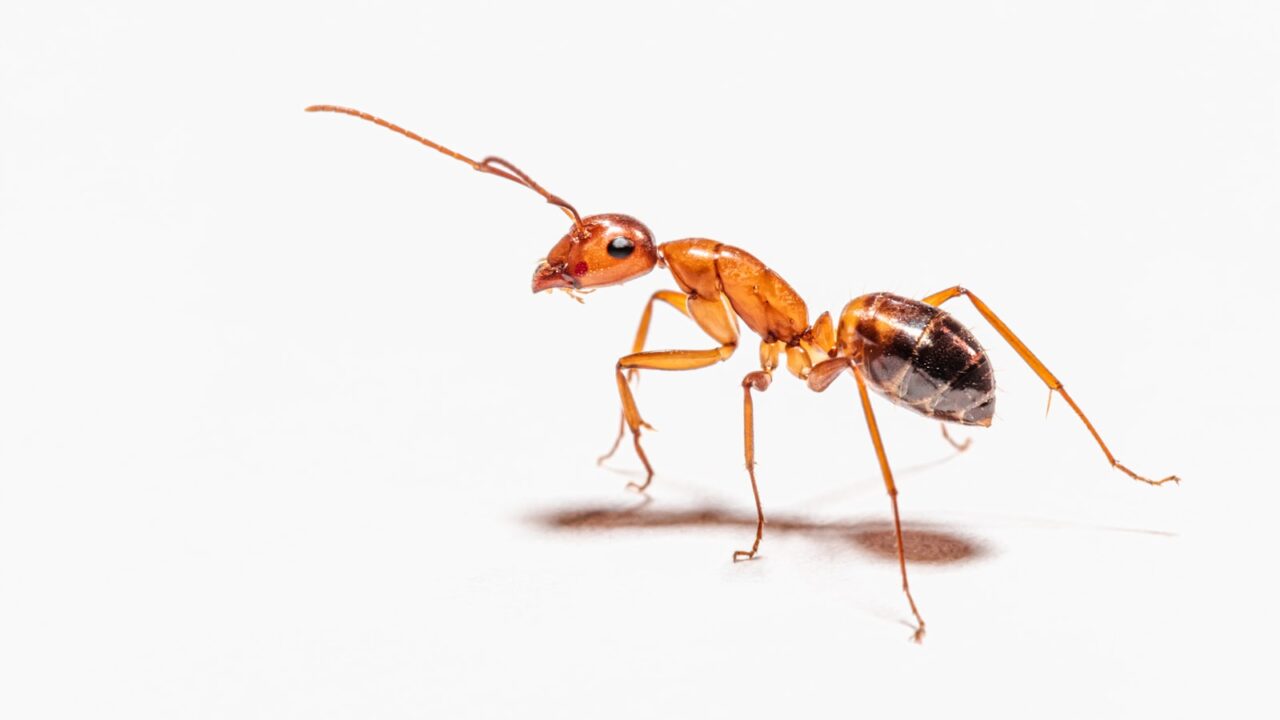
- Weaver (kerengga) ants — the large reddish ants in trees and gardens; they bite hard and can spray formic acid into the wound, adding a sharp sting.
- Other household ants — many tiny indoor ants can nip but rarely cause more than brief irritation.
The pattern is telling: ant bites are felt immediately as a sharp pinch or sting, unlike the delayed itch of mosquito or bed bug bites.
What ant bites look like
Ant bites and stings usually show up as:
- A raised red bump or welt
- A burning or itching sensation
- With fire ants, a small blister or pustule forming over a day or two
- Sometimes several bites together if you disturbed a nest
Most reactions are local and settle within a few days.
How to treat ant bites
For ordinary ant bites and stings, simple care works:
- Wash the area with soap and water.
- Apply a cool compress to reduce swelling and ease the sting.
- Avoid scratching or popping blisters — broken skin can get infected in our humid climate.
- Use an over-the-counter anti-itch cream or antihistamine if needed.
Fire ant blisters usually heal on their own; keep them clean and leave them intact.
When to see a doctor
Most ant bites need no medical care, but some reactions do.
See a doctor — or call emergency services — if you notice:
- Signs of a severe allergic reaction: swelling of the face, lips or throat, difficulty breathing, dizziness or widespread hives (treat as an emergency)
- Spreading redness, warmth, pus or fever (possible infection)
- A very large local reaction, or many stings at once
- Bites in a young child or someone with known allergies
This is general guidance only. If you have a known ant or insect-sting allergy, follow your doctor’s plan.
The real fix: clear the colony
You will keep getting ant bites until you deal with the colony, not just the ants you can see. Spraying a visible trail kills a few workers but leaves the nest — and the queen — untouched, so the ants return.
The effective approach is baiting: worker ants carry slow-acting bait back to the nest, where it reaches the queen and colony. Our guide on how to get rid of ants in Singapore walks through baiting, finding trails, and prevention, and you can make a simple homemade ant trap to do it.
Practical prevention also helps:
- Keep food sealed and surfaces free of crumbs and spills.
- Wipe down counters and clear pet-food bowls after meals.
- Seal cracks and gaps where ants enter.
- Keep bins closed and emptied.
When to call a professional
Some ant problems — large fire ant nests, repeated indoor infestations, or colonies you cannot locate — are best handled by a professional. Stinging ants near where children play are worth treating quickly. Our ant control specialists in Singapore can locate the nest, treat the colony at the source, and stop the bites recurring.
Ant bites in HDB flats, condos and gardens
Where you get bitten shapes the risk. In HDB flats and condos, the usual culprits are the small household ants that trail into kitchens after food; their bites are minor nips rather than real stings, and the fix is hygiene plus baiting. The bigger sting concern is outdoors.
In landed homes and gardens — and on balconies with plants — you are more likely to meet fire ants and weaver (kerengga) ants. Fire ants in particular swarm and sting repeatedly when their nest is disturbed, which is why a hidden nest near a play area, a potted-plant cluster or a garden path deserves prompt attention. If children play on the grass or balcony, locating and treating these nests early prevents the multiple-sting incidents that cause the worst reactions. Our guide on are ants harmful? puts the real risks in perspective, and types of ants in Singapore helps you recognise which species you are dealing with.
Frequently asked questions
Do all ants bite or sting?
What is the difference between an ant bite and a sting?
Should I pop a fire ant blister?
Why do the ants keep coming back after I spray?
Related guides
- How to get rid of ants in Singapore
- Homemade ant traps and bait
- Types of ants in Singapore
- Are ants harmful?
- How to identify bug bites
The bottom line
Most ant bites in Singapore are painful but harmless, and respond to simple care. Watch for allergic reactions, and remember that lasting relief comes from clearing the colony — usually through baiting or professional treatment — not just from soothing the bite.
*Stinging ants taking over your home or garden? Get a free ant assessment from Insect Out and clear the colony at the source.*