How to Get Rid of Fleas in Your Home (Singapore)
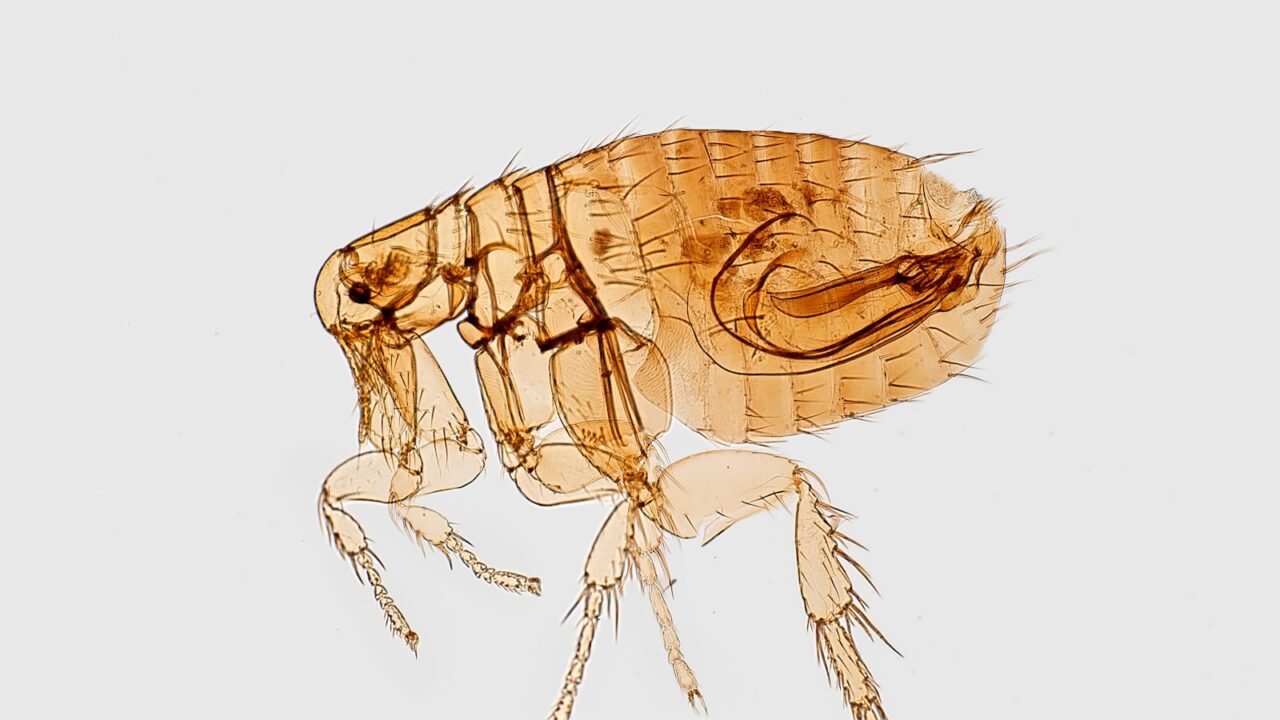
Fleas are tiny, fast and frustrating — and once they’re in a Singapore home, the warm, humid climate lets them breed quickly in carpets, rugs, bedding and soft furnishings. If you’ve spotted itchy bites or seen fleas on a pet, learning how to get rid of fleas means tackling the whole life cycle, not just the adults you can see. This guide walks through a practical plan for clearing them properly.
Why fleas are so hard to clear
The adult fleas hopping around are only part of the problem. Most of a flea population is eggs, larvae and pupae hidden deep in carpet fibres, cracks and bedding.
- Eggs roll off pets into the environment.
- Larvae burrow into carpets and dark corners.
- Pupae can stay dormant for weeks, shielded from sprays, then hatch later.
This is why fleas seem to “come back” days after you think you’ve won. Knowing how to get rid of fleas means treating the home and the pet at the same time, and repeating the effort to catch newly hatched fleas.
Step 1: Treat your pets first
Your pet is the engine of the infestation, so start there. Use a vet-recommended flea treatment and follow the dosing instructions carefully. For a full routine covering treatment and re-infestation, see our guide on fleas on cats and dogs.
Treating the home while leaving the pet untreated simply restarts the cycle.
Step 2: Wash and vacuum aggressively
This is the most powerful DIY step and the one most people under-do.
- Wash all bedding — yours and your pet’s — on the hottest safe setting.
- Vacuum thoroughly, every day if you can: carpets, rugs, skirting, under furniture, and along walls where larvae hide.
- Empty the vacuum outside immediately into a sealed bag, so any captured fleas and eggs don’t escape.
- Steam clean carpets and upholstery if possible — heat kills all life stages.
Vacuuming also vibrates dormant pupae into hatching, making them easier to kill on the next pass.
Step 3: Treat the environment
After cleaning, treat the areas where fleas breed:
- Focus on carpets, rugs, pet resting spots and shaded corners.
- Pay attention to cracks, skirting and under furniture, where larvae shelter.
- Follow product instructions exactly, and keep pets and children away until surfaces are dry.
Because pupae are protected, you’ll likely need to repeat treatment after one to two weeks to catch fleas that hatch later.
And don’t expect overnight results — keep vacuuming daily, washing bedding weekly, and keeping your pet’s flea protection up to date for several weeks. A simple progress check: walk through carpeted areas in white socks — fleas show up as dark specks that jump. If new bites or fleas keep appearing after a few weeks of consistent effort, the infestation is established beyond easy DIY control.
Don’t forget the bites and the bare floors
Two things often get overlooked in a flea clear-out. The first is your own skin: flea bites on people usually appear as small, intensely itchy red bumps, often clustered around the ankles and lower legs where fleas reach you from the floor. Our guide on flea bites on humans covers what they look like and how to soothe the itch while you clear the source.
The second is the assumption that hard floors are safe. Singapore homes are mostly tiled or laminated rather than carpeted, and that helps — but fleas still breed happily in the gaps between tiles, along skirting, under rugs, in sofa seams and in any soft furnishing. Don’t skip these just because you don’t have wall-to-wall carpet. Pull out rugs, lift sofa cushions, and run the vacuum nozzle along every edge and crevice, because that’s where eggs and larvae settle out of sight.
When to call a professional
DIY works for light, early infestations. But fleas are notoriously stubborn, and a heavy or recurring problem usually needs targeted treatment that reaches every life stage in carpets, cracks and furnishings.
Consider professional help if:
- Fleas persist after several weeks of thorough cleaning and pet treatment.
- The infestation is widespread across multiple rooms.
- You’re getting repeated bites despite your best efforts.
Trained technicians can apply treatments that break the cycle more reliably than over-the-counter products. For a stubborn case, professional pest control in Singapore is the most efficient route to a flea-free home.
Preventing the next infestation
Once you’ve cleared them:
- Keep your pet on year-round flea prevention — Singapore’s climate never gives fleas an off-season.
- Vacuum regularly and wash pet bedding often.
- Check pets after outdoor walks, especially around grassy areas.
- Reduce contact with stray animals that may carry fleas.
Fleas and ticks often travel together from the same outdoor spots, so it’s worth knowing the signs of both — our guide on ticks on dogs and in the home is a useful companion.
Frequently asked questions
Can I get fleas if I don’t have pets?
Do fleas live on humans?
How long does it take to get rid of fleas?
Does a clean home mean no fleas?
Related guides
- How to get rid of fleas on cats and dogs
- Flea bites on humans
- Ticks on dogs and in the home (Singapore)
- How to get rid of dust mites
- Pest control in Singapore
The bottom line
The key to how to get rid of fleas is treating the pet and the home together, cleaning relentlessly, and repeating to catch newly hatched fleas. Light cases respond to consistent DIY; heavy or recurring infestations are best handled professionally before they spread further.
*Fleas keep coming back despite your best efforts? Contact Insect Out for a free assessment and a treatment that breaks the cycle.*