Flea Bites on Humans: Signs, Treatment & Prevention
Flea bites on humans are easy to mistake for mosquito or ant bites, but they have a distinct pattern that gives them away. In Singapore’s humid climate fleas breed quickly indoors, and if you have a cat or dog the bites can become a recurring problem. This guide explains how to spot flea bites on humans, how to ease the itch, and — most importantly — how to clear the fleas causing them.
What flea bites on humans look like
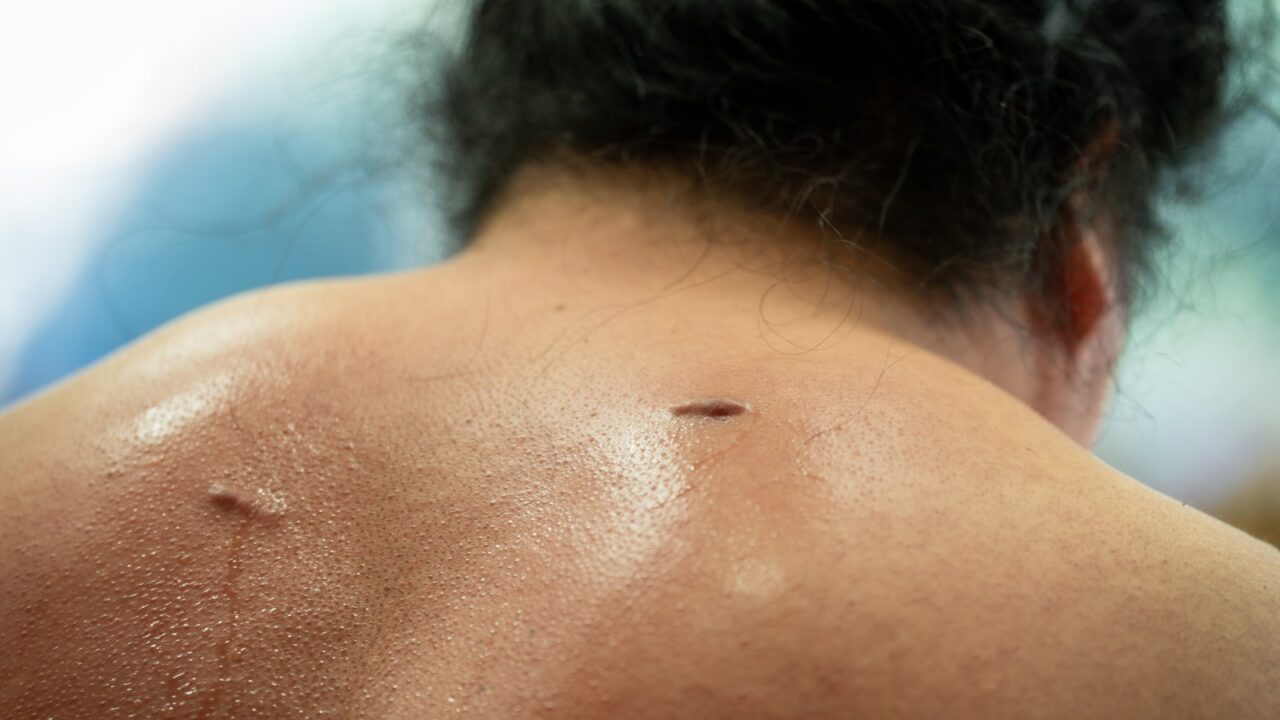
Flea bites are small, raised red dots, often with a darker red spot in the centre. They are very itchy and tend to appear in small clusters or rough lines of three or four.
The biggest clue is location. Fleas live in carpets, rugs and flooring, so they bite the parts of you closest to the ground:
- Ankles and lower legs (most common)
- Feet
- Lower calves
If your itchy bumps are mainly below the knee and you have pets, flea bites on humans are the likely answer.
How to tell flea bites from other bites
It helps to compare against the usual suspects in a Singapore home:
- Mosquito bites are puffier, appear on any exposed skin (arms, neck), and are usually scattered rather than clustered at the ankles.
- Bed bug bites appear overnight on skin covered by bedding, often in a straight line, and are not tied to having a pet.
- Ant bites sting sharply the moment they happen, rather than itching later.
The combination of ankle-level clusters plus a pet in the home points strongly to fleas. If you are unsure, our guide on how to identify bug bites compares all the common biting pests side by side.
It is also worth noting that flea bites can keep appearing even after you treat your pet, because the bites come from newly hatched adult fleas in your flooring — not just from the animal itself. That is why ongoing bites are a sign the home, not only the pet, needs attention.
Relieving the itch (general care)
Flea bites on humans usually settle on their own. To stay comfortable:
- Wash the bites with soap and water.
- Use a cool compress to reduce swelling and itch.
- Resist scratching — broken skin can get infected, a real risk in our humid climate.
- An over-the-counter antihistamine or anti-itch cream can help.
See a doctor if bites become very swollen, show spreading redness, warmth or pus, or if you have a strong allergic reaction. A pharmacist can also recommend suitable creams. This is general guidance only.
The real fix: clear the fleas
You will keep getting flea bites on humans until you break the flea life cycle, because most of the population in your home is eggs and larvae hiding in carpets and bedding — not the adults you can see.
A thorough approach covers four fronts at once:
- Treat your pets with a vet-recommended flea product.
- Wash bedding and soft furnishings on a hot cycle.
- Vacuum daily — carpets, skirting, under furniture — and empty the vacuum outside each time.
- Treat the home environment to kill eggs and larvae before they mature.
Our step-by-step guide on how to get rid of fleas in your home walks through each stage. Skipping any one of them usually lets the infestation rebound. If the bites involve a cat or dog, our guide on how to get rid of fleas on cats and dogs covers the animal side.
Why fleas thrive in Singapore homes
Fleas are built for our climate. The warm, humid conditions in HDB flats and condos let flea eggs and larvae develop quickly, so a few fleas brought in on a pet can become a household problem within a couple of weeks. Carpets, rugs, fabric sofas and the gaps between floor tiles all give larvae dark, undisturbed places to mature.
Unlike countries with cold winters, Singapore has no seasonal die-off to thin the population. That is why flea prevention here has to be year-round, not seasonal — and why an untreated infestation rarely fades on its own. It also means a pet does not strictly need to be present for fleas to persist; once eggs are in the flooring, newly hatched adults will keep emerging and biting until the environment is cleared.
When to call a professional
Fleas are stubborn. If you have treated your pets, cleaned thoroughly and are still being bitten after a couple of weeks, the environmental side of the infestation likely needs professional treatment.
This is common in HDB flats and condos where carpets, fabric sofas and warm flooring give larvae plenty of places to develop. A professional treatment targets the eggs and larvae that DIY methods miss, breaking the cycle for good. Our pest control team in Singapore can assess the level of infestation and treat it properly.
Preventing flea bites coming back
Once the fleas are gone, keep them out:
- Keep up regular flea prevention for pets year-round — fleas do not have an off-season here.
- Vacuum high-traffic and pet-resting areas frequently.
- Wash pet bedding regularly.
- Check pets after they have been around other animals.
Frequently asked questions
Can humans catch fleas and have them live on us?
Why do I still get bitten after treating my pet?
Are flea bites dangerous?
How long does it take to clear fleas?
Related guides
- How to identify bug bites
- How to get rid of fleas in your home
- How to get rid of fleas on cats and dogs
- Tick bites: what to look for
- Mite bites: identification and treatment
*Still getting flea bites on humans in your home? Book a free flea assessment with Insect Out and clear the source for good.*