How to Get Rid of Mynas & Crows (Singapore)
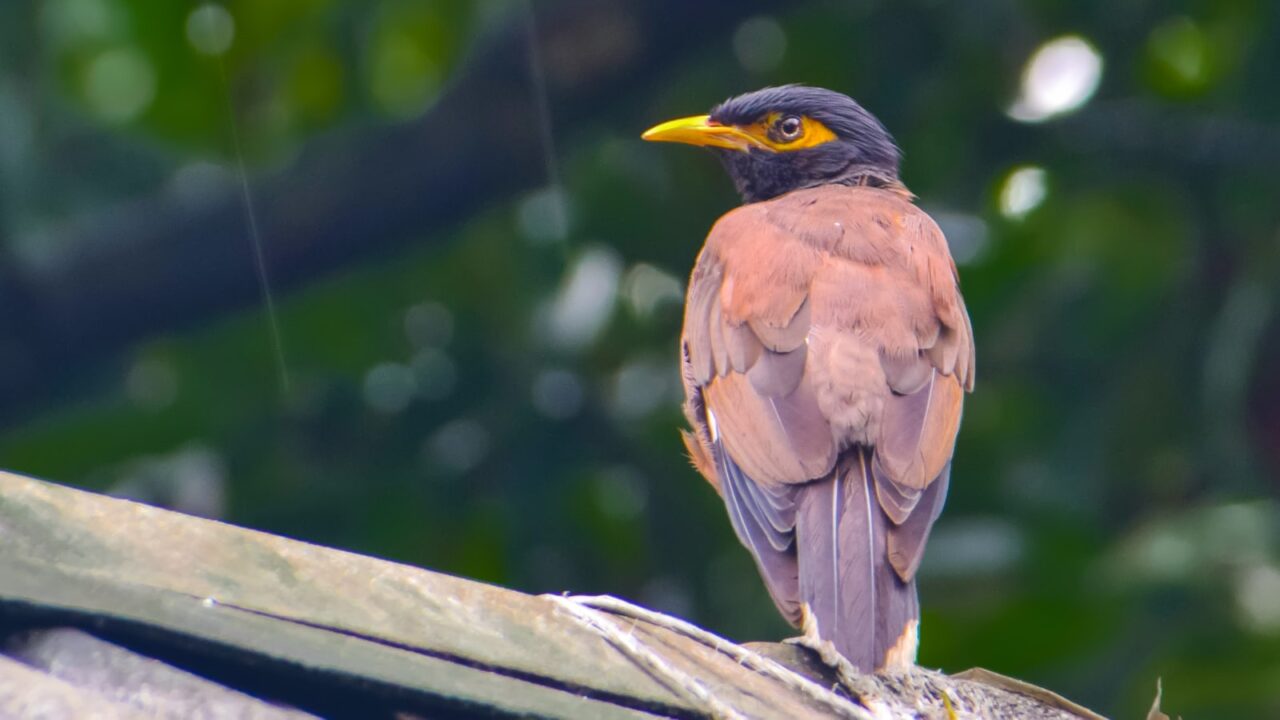
Mynas squabbling on your service yard at dawn, crows raiding the bin chute, droppings on the car — these two birds are among the most persistent in Singapore’s HDB and condo estates. They’re intelligent, adaptable, and drawn to easy food. If you’re wondering how to get rid of mynas and crows around your home, the answer is humane deterrence plus removing whatever is attracting them.
Why mynas and crows hang around
Both species thrive in urban Singapore because we unintentionally feed and shelter them. Knowing how to get rid of mynas starts with understanding what keeps them coming:
- Food — open bins, food waste, leftovers at hawker and coffee-shop areas, pet food left outside, and crops or fruiting plants on balconies
- Roosting spots — tall trees, ledges, rooftop recesses and quiet corners
- Water — open drains, trays and ponding
Mynas are bold and noisy in flocks; crows are larger, cautious and very clever, which makes them harder to deter once established.
Start by removing the attractants
No deterrent works while there’s an easy meal nearby. This is the most important step:
- Secure all food waste. Close bin lids, bag rubbish well, and clear food debris from balconies and yards.
- Don’t feed birds — and discourage neighbours from doing so. Feeding wildlife is discouraged by the authorities and is the number-one cause of bird problems in estates.
- Bring pet bowls indoors and clear up fallen fruit or seed from balcony plants.
- Fix standing water that birds drink and bathe in.
In shared HDB and condo spaces, raising the issue with your Town Council or MCST matters, because attractants in common areas affect everyone.
How to get rid of mynas and crows: humane deterrents
The aim is to make your space unwelcoming, not to harm the birds. Effective, humane options include:
- Physical exclusion. Bird netting over balconies, service yards and recesses is the most reliable long-term fix, especially for roosting spots.
- Anti-roosting spikes on ledges, railings and aircon ledges where birds perch.
- Visual deterrents. Reflective tape, spinning reflectors or predator decoys can help — but birds are smart and habituate, so move and vary them.
- Remove perches and nesting material so favoured spots become less attractive.
- Noise and motion at problem times can break a routine, though this is best as a short-term measure.
| Deterrent | Best for | Durability |
|---|---|---|
| Netting | Balconies, yards, recesses | High |
| Spikes | Ledges, railings | High |
| Reflective/visual | Open perching areas | Low–medium (rotate) |
| Removing food | Everywhere | Essential first step |
What not to do
- Don’t try to poison, trap or harm the birds. It’s inhumane, often illegal, and can backfire. Native wildlife is protected, and handling should be left to the authorities or licensed professionals.
- Don’t rely on a single gimmick. Birds quickly learn that a lone fake owl is harmless.
- Don’t ignore the food source and expect deterrents to work — they won’t.
When to bring in bird control
If mynas or crows have established a roost, droppings are building up, or the birds keep outsmarting your deterrents, it’s time for professional help. A bird-control service can design the right mix of netting, spikes and exclusion for your block or unit, and handle installation safely at height.
See our overview of bird control for HDB and condos for how a managed approach works in shared buildings. For estate-wide bird and pest issues, professional pest control in Singapore can coordinate a longer-term solution.
If pigeons are part of the same problem, our guides on getting rid of pigeons in Singapore and removing a pigeon nest safely will help.
Choosing between spikes and netting
For roosting and nesting spots, physical exclusion is the only thing birds can’t simply learn to ignore. The choice usually comes down to the surface:
- Netting is best for enclosing a whole area — a balcony, service yard, light well or recess — so birds can’t get in at all. It’s the most reliable long-term fix for persistent roosting.
- Spikes suit narrow ledges, railings, pipe runs and aircon-ledge edges where birds perch but can’t be fully enclosed.
Many estates use both together. Our comparison of bird spikes vs netting walks through where each works best, and if the birds are favouring your aircon ledge specifically, how to stop birds nesting on an aircon ledge covers that spot in detail.
How long does it take to deter them?
Be realistic about timelines. Mynas and crows have routines, and breaking a well-established habit can take a few weeks of consistent effort. Expect the birds to test your deterrents at first — returning, probing for gaps, and trying nearby perches. The key is not to give up after a few days. Keep food sources locked down, keep deterrents in place, and vary any visual or noise measures so the birds don’t learn to ignore them. Once they conclude there’s no easy food and nowhere comfortable to roost, they move on.
Frequently asked questions
Is it legal to harm mynas or crows in Singapore?
Why do mynas and crows keep coming back?
Who should I contact about birds in shared HDB or condo areas?
Do reflective deterrents and fake owls actually work?
Related guides
- Bird control for HDB and condos
- Bird spikes vs netting
- How to get rid of pigeons in Singapore
- How to remove a pigeon nest safely
- How to stop birds nesting on an aircon ledge
*Mynas and crows taking over your space? Get a free bird-control quote for humane, lasting deterrence.*