How to Remove a Pigeon Nest Safely (Singapore)
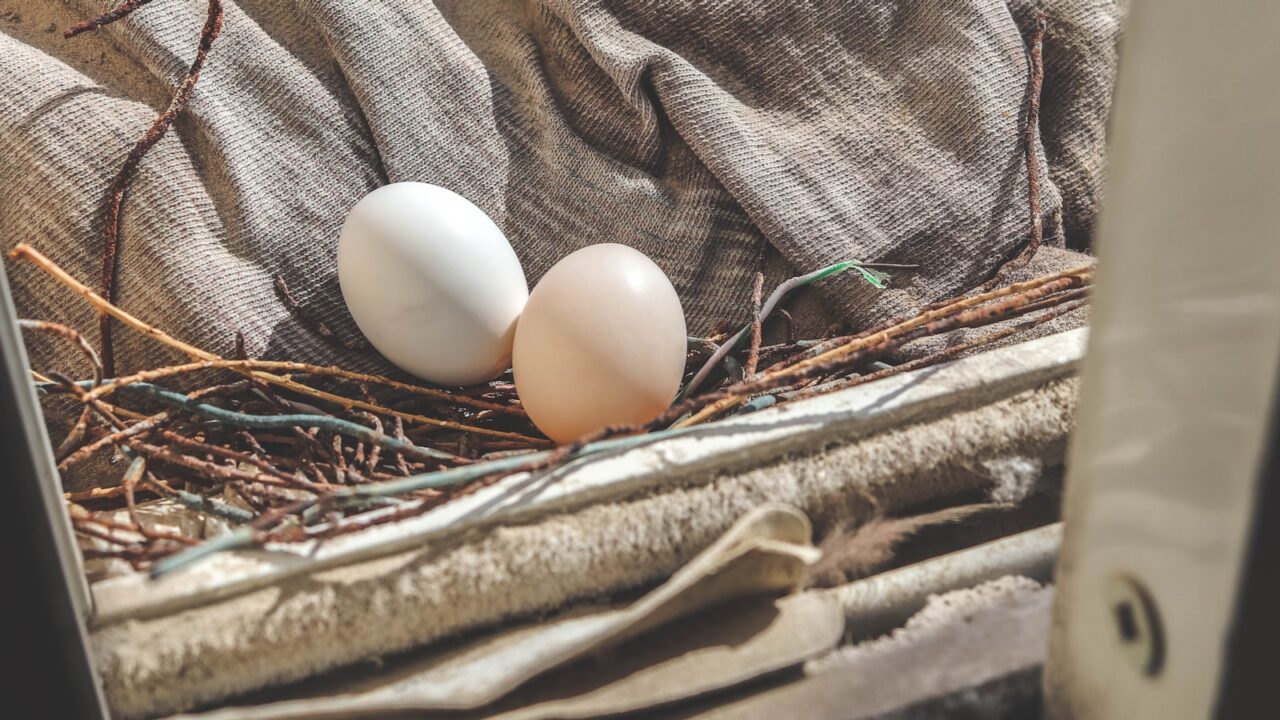
A pigeon nest tucked behind your aircon compressor or on a high ledge is more than a mess — it brings droppings, mites and noise, and pigeons will return to the same spot again and again. If you’ve found a pigeon nest on your HDB ledge or condo balcony, here’s how to deal with it safely, hygienically, and in a way that stops them coming back.
Why a pigeon nest is worth dealing with
Pigeons are creatures of habit. Once a pair nests successfully, they treat that spot as home and rebuild repeatedly. A neglected pigeon nest leads to:
- Droppings build-up, which is acidic and unsightly and can stain and corrode surfaces
- Bird mites, which can move from the nest into your home (see our guide to bird mites)
- Blocked aircon vents and drains from nest material
- Noise from cooing and chicks, especially early morning
Acting early — ideally before eggs are laid — is far easier than dealing with an established nest.
Check before you touch: eggs and chicks
This is the key first step. If the pigeon nest already contains eggs or live chicks, do not simply throw it out. Removing an active nest with young can be inhumane and may raise welfare concerns. Wait until the chicks have fledged (usually a few weeks) and the nest is empty, then remove it and immediately block the spot so they can’t restart. An empty, abandoned nest can be cleared straight away.
If you’re unsure or can’t safely wait, a humane bird-control service can advise on the right timing and approach.
How to remove a pigeon nest safely
Once the nest is empty, treat removal as a hygiene job:
- Protect yourself. Wear disposable gloves and an N95 mask — dried droppings and nest debris can release dust you don’t want to breathe in.
- Dampen the nest first. Lightly mist it with water to stop dust and mites becoming airborne.
- Bag everything. Place the nest, droppings and debris straight into a sealed plastic bag for disposal.
- Clean the surface. Scrub the area with a household detergent, then disinfect. Don’t dry-brush droppings, as this spreads dust.
- Wash up. Bin the gloves and mask, and wash your hands and any tools thoroughly.
For high ledges, external sills or anywhere you’d need to lean out, don’t take risks at height — get a professional to do it.
Stop pigeons rebuilding
Removal without deterrence just means they’ll return. The goal is to make the spot unusable:
- Bird netting across balconies, recesses and aircon ledges — the most reliable physical barrier
- Anti-roosting spikes on narrow ledges and pipe tops
- Block gaps behind compressors and under eaves where nests start
- Remove food sources — never feed pigeons, and keep bin areas closed (feeding wild pigeons is also discouraged by the authorities)
- Keep the area clean so it doesn’t smell like an established roost
Combining exclusion with cleaning is what makes deterrence stick. Our full guide on how to get rid of pigeons in Singapore covers each deterrent in detail.
Quick reference
| Situation | What to do |
|---|---|
| Empty nest | Remove + clean + block the spot |
| Active nest (eggs/chicks) | Wait until fledged, then remove + deter |
| High or unsafe spot | Call a professional |
| Repeated nesting | Install netting or spikes |
When to call a professional
DIY works for an empty nest in an easy-to-reach spot. But consider professional bird control for HDB and condos if the nest is at height, there are eggs or chicks involved, droppings have built up heavily, or pigeons keep returning despite your efforts. A proper service handles safe removal, deep cleaning, and durable netting or spikes — and works within humane and legal guidelines.
For estate-wide or recurring pigeon problems, general pest control in Singapore teams can assess and treat alongside bird-proofing.
In shared HDB and condo buildings, it’s also worth flagging the issue to your Town Council or MCST, especially if the nesting is happening in common areas like corridors, rooftops or shared ledges. A coordinated approach across the block — cleaning, netting and removing food sources together — works far better than each unit tackling pigeons alone, because the birds simply move from one untreated ledge to the next.
A note on doing this the right way
It’s worth being careful rather than hasty with pigeon nests. An active nest with eggs or chicks can carry welfare and legal considerations, so the safe, responsible approach is to leave it undisturbed until the young have fledged, then remove the empty nest and proof the spot. If you’re not certain whether eggs are present, or the nest is somewhere you can’t inspect safely, treat it as a job for a professional rather than guessing. NParks oversees wildlife matters in Singapore, and for common-area nesting your Town Council or MCST is the right first point of contact — they can coordinate removal and proofing for the whole block. The golden rule: never feed pigeons, never disturb an active nest, and always pair removal with proofing so the spot can’t be reused.
Common mistakes to avoid
- Removing an active nest in a panic. This is both inhumane and the wrong move legally. Wait until it’s empty.
- Dry-brushing droppings. This sends contaminated dust into the air. Always dampen first and bag everything.
- Cleaning without proofing. An empty, cleaned ledge with no netting or spikes is simply an invitation to rebuild.
- Leaning out from a high window or ledge. Work at height belongs to a professional with the right equipment.
Frequently asked questions
Can I remove a pigeon nest with eggs in it?
Are pigeon droppings dangerous to clean up?
Will the pigeons come back after I remove the nest?
Who do I contact about pigeons in HDB common areas?
Related guides
- How to get rid of pigeons in Singapore
- Bird control for HDB and condos
- Bird spikes vs netting
- How to stop birds nesting on an aircon ledge
- How to get rid of mynas and crows
- How to get rid of bird mites
*Pigeons nesting where they shouldn’t? Get a free bird-control quote for safe removal and lasting deterrence.*