Are Cockroaches Dangerous? Health Risks Explained
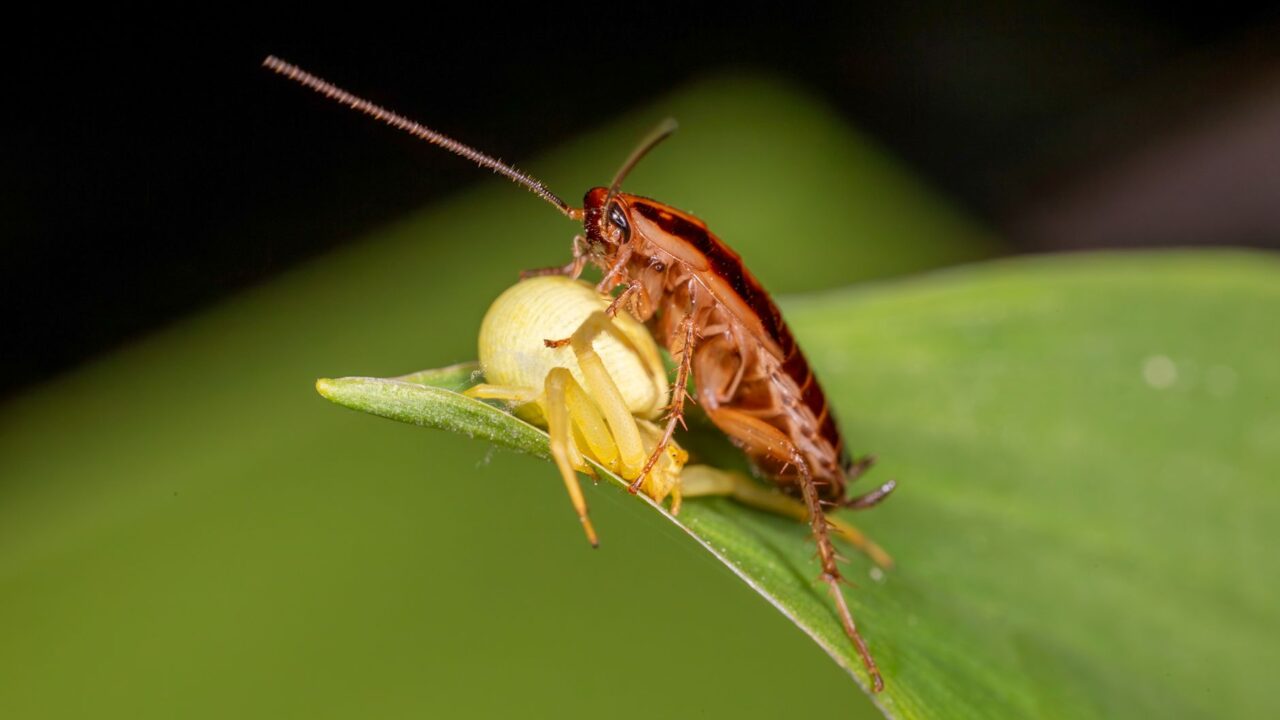
Most people find cockroaches disgusting, but are cockroaches dangerous in a real, health sense? In Singapore’s warm, humid homes, the short answer is yes — not because they bite, but because of what they carry and trigger. They rarely cause direct harm, yet they’re linked to food contamination, allergies and asthma, especially in shared HDB and condo environments.
Here’s an honest look at the risks and how to lower them.
They spread bacteria and contaminate food
Cockroaches crawl through drains, rubbish chutes, sewers and bin areas, then move across your kitchen surfaces and food. Along the way they can pick up and deposit harmful microbes through their bodies, droppings and saliva.
Organisms commonly associated with cockroaches include those that can cause:
- Food poisoning and stomach upsets (such as *Salmonella*)
- Diarrhoea and other gastrointestinal illness
They don’t transmit disease the way mosquitoes do. Instead, they contaminate by contact — walking over a chopping board, an unwashed plate or exposed food. This is why a cockroach problem in the kitchen is worth taking seriously.
They trigger allergies and asthma
For many households, this is the bigger concern. Cockroach allergens — from their droppings, shed skins and body parts — become part of household dust and can trigger:
- Allergic reactions (sneezing, itchy eyes, skin irritation)
- Asthma attacks, particularly in children
In dense, enclosed Singapore homes with year-round indoor living, these allergens can build up where roaches hide — kitchens, cabinets and storerooms. If someone at home has asthma or allergies, reducing a cockroach population can make a noticeable difference.
Do cockroaches bite?
Bites are rare. Cockroaches can nibble in heavy infestations when food is scarce, but it’s uncommon and not their main risk. So when people ask *are cockroaches dangerous because they bite?* — that’s not the real issue. The contamination and allergy risks matter far more.
Who is most at risk
The health impact is uneven. Take extra care if your household includes:
- Young children and babies
- Elderly family members
- Anyone with asthma, allergies or a weakened immune system
For these groups, even a moderate cockroach presence is worth acting on quickly rather than waiting.
How to reduce the risks at home
You can lower exposure with consistent habits:
- Deny food and water — sealed food containers, no dishes overnight, fix leaks.
- Clean where they travel — wipe surfaces, clear grease, empty bins with tight lids.
- Remove droppings and debris in hidden areas, as these carry allergens.
- Seal entry points around pipes, drains and doors.
- Reduce clutter, especially cardboard, which harbours roaches.
These steps cut contamination and allergen build-up. For a full removal routine, see our guide on how to get rid of cockroaches in Singapore.
When to call a professional
If you’re seeing roaches regularly — especially in daylight — or finding droppings and egg cases, the population is likely established and the health risk is ongoing. DIY sprays often miss the hidden source, particularly with fast-breeding German cockroaches.
A professional can identify the species, locate the harbourage and apply targeted treatment that reduces both the roaches and the allergens they leave behind. For households with vulnerable members, professional cockroach control in Singapore is the most dependable way to bring an infestation under control.
So, are cockroaches dangerous? They’re not aggressive, but the bacteria and allergens they spread make them a genuine household health concern — and one worth addressing early.
Are some cockroaches more of a risk than others?
In Singapore homes you’ll mainly encounter two types, and they carry slightly different concerns:
- American cockroaches — the large brown ones — typically come up from drains, sewers and the rubbish chute. Because of where they travel, they’re strongly linked to spreading bacteria onto surfaces and food.
- German cockroaches — small and light brown — breed rapidly indoors, often around kitchens and appliances. Their fast-growing numbers and the allergens they leave behind make them a particular concern for allergy and asthma sufferers.
Both are worth taking seriously. The key point is that the health risk rises with the size of the population, so the sooner you act, the lower the exposure for your household — especially where food is prepared and where vulnerable family members spend time.
Reducing allergens, not just roaches
Because the bigger health concern for many homes is allergens rather than bites, cleaning matters as much as killing. Cockroach droppings and shed skins break down into household dust, so vacuuming hidden corners, wiping cabinet interiors and clearing harbourage all lower exposure for asthma and allergy sufferers. Keeping windows screened with window insect screens reduces how many roaches and other insects drift in to begin with, which means fewer allergens building up indoors over time.
Frequently asked questions
Are cockroaches dangerous if they only appear at night?
Can cockroaches make asthma worse?
Should I be worried about a single cockroach?
How do I lower the health risk if someone at home is vulnerable?
Related guides
- Why do I have cockroaches?
- Signs of a cockroach infestation
- Cockroach allergy and asthma
- How to keep cockroaches away
- Types of cockroaches in Singapore
*Worried about roaches around food or family? Contact Insect Out for a free assessment and a safe, targeted treatment plan.*