How to Get Rid of Cockroaches in Singapore (For Good)
Cockroaches are one of the most common household pests in Singapore, and our warm, humid climate lets them breed all year round. If you’re wondering how to get rid of cockroaches in your HDB flat or condo, the key is to treat the source — not just spray the ones you see. Here’s a clear, step-by-step approach that actually works.
Find out which cockroach you’re dealing with
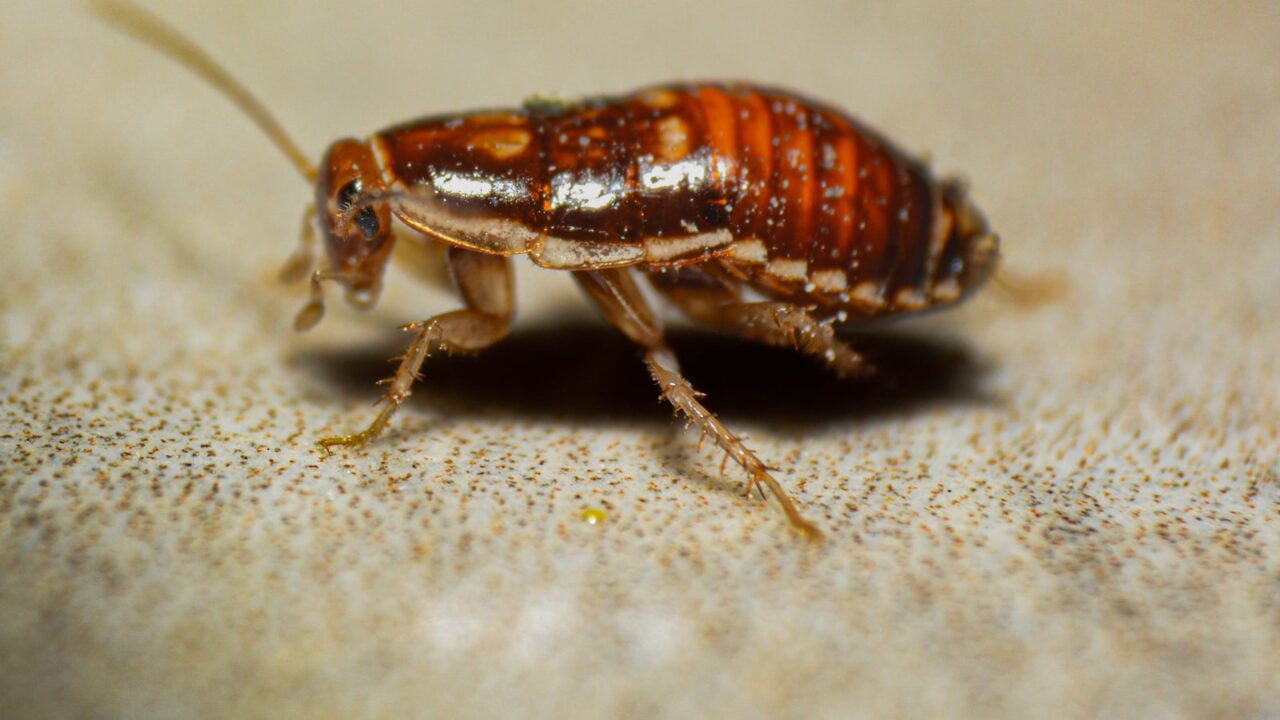
Two species cause most home infestations here. German cockroaches are small (around 1.5cm), light brown, and love kitchens and bathrooms — they breed fast and hide in cracks. American cockroaches are larger (3–4cm), reddish-brown, and often come up through drains, rubbish chutes and pipes.
Knowing the species matters because it changes your strategy. German cockroaches need targeted baiting indoors; American cockroaches need you to block entry points like drains and gaps around pipes.
Cut off food, water and shelter
Cockroaches need three things. Remove them and you make your home far less liveable for them:
- Food: Store dry goods in sealed containers, clear food debris nightly, and don’t leave pet food out overnight.
- Water: Fix dripping taps, dry the sink and shower, and wipe down wet surfaces before bed. German cockroaches can survive on very little, so even condensation counts.
- Shelter: Declutter under sinks, behind appliances and inside cabinets. Cardboard and paper piles are prime hiding and breeding spots.
In an HDB kitchen, the area behind the fridge and under the sink is usually where they congregate first.
Bait, don’t just spray
Sprays kill the roaches you see but rarely reach the nest. Gel baits are far more effective for getting rid of cockroaches long term. Roaches eat the bait, return to harbourage areas, and the active ingredient spreads through the population.
A few tips:
- Place small dots of gel bait in cracks, hinge corners and along cabinet edges — not in open spaces.
- Avoid spraying insecticide near bait, as it can repel roaches from the gel.
- Replace bait every few weeks until activity stops.
For heavier infestations, combine baits with insect growth regulators that stop young roaches from maturing.
Seal the gaps they come through
Sealing entry points is what stops reinfestation. Common routes in Singapore homes include:
- Floor drains and bathroom traps (use mesh drain covers and keep traps filled with water)
- Gaps around pipes under the sink
- Rubbish chute openings
- Window and door gaps
Fitting fine mesh on openings helps. Our window insect screens keep larger roaches, mosquitoes and other insects from flying or climbing in through windows — a useful prevention layer once you’ve cleared the indoor population.
How to get rid of cockroaches when DIY isn’t enough
DIY works well for early or moderate problems. But you should call a professional if:
- You see roaches in daylight (a sign of a large population)
- The problem returns within weeks despite baiting
- You’re in a flat sharing walls and chutes with neighbours, where roaches travel between units
A licensed technician can identify harbourage areas you can’t reach, use professional-grade products safely, and treat shared entry points. Our cockroach control in Singapore service targets the source and gives you a treatment plan suited to your home. For prevention more broadly, see our guide on how to prevent cockroaches.
A realistic timeline
Getting rid of cockroaches isn’t instant. With consistent baiting and sanitation, German cockroach numbers usually drop noticeably within two to four weeks. American cockroaches respond faster once entry points are sealed. The mistake most people make is stopping too early — keep baiting and cleaning until you’ve gone a couple of weeks with no sightings.
Common mistakes that keep roaches coming back
Even when people do most things right, a few habits quietly undo the effort:
- Spraying over your bait. Insecticide residue repels roaches from the gel, so the bait sits untouched. Pick one method per area — bait indoors, spray only outdoors or at entry points.
- Cleaning away the bait too soon. Wiping surfaces with strong detergent near bait dots removes them. Leave the dots in place and refresh them instead.
- Treating only your own unit. In an HDB block, roaches travel along shared pipes, chutes and wall voids. If neighbours have a problem, your flat is a corridor — coordinated treatment along the stack works far better than fighting alone.
- Ignoring the egg cases. A single ootheca can hatch dozens of nymphs and restart the cycle. See our guide on how to get rid of cockroach eggs for how to find and remove them.
Do natural and home remedies work?
Plenty of DIY remedies get shared online, and a couple have genuine merit as part of a wider plan — but none replace baiting and sanitation:
- Boric acid is a proven, low-cost cockroach killer when applied as a fine dust in cracks and voids where roaches travel, not piled in the open. It works slowly as they groom it off and ingest it. See our guide on boric acid for cockroaches.
- Diatomaceous earth dehydrates insects that crawl through it and can be dusted into gaps and behind appliances; keep it dry to stay effective. More in diatomaceous earth for pests.
- Essential oils and herbs may mildly deter roaches but won’t clear a population — treat them as a minor extra.
For a comparison of stronger options, see best cockroach killer in Singapore. The pattern holds: dusts and baits target the hidden population, while sprays only handle what you can see.
Frequently asked questions
Why do I suddenly have cockroaches when my home is clean?
Do roaches mean my flat is dirty?
Are cockroaches dangerous?
What’s the fastest way to knock down a sudden swarm?
Related guides
- How to prevent cockroaches
- Types of cockroaches in Singapore
- How to keep cockroaches away
- How to get rid of cockroach eggs
- Window insect screens
*Struggling to clear them on your own? Get a free cockroach control quote and we’ll handle the source for you.*