Best Cockroach Killer in Singapore: Baits, Gels & Sprays
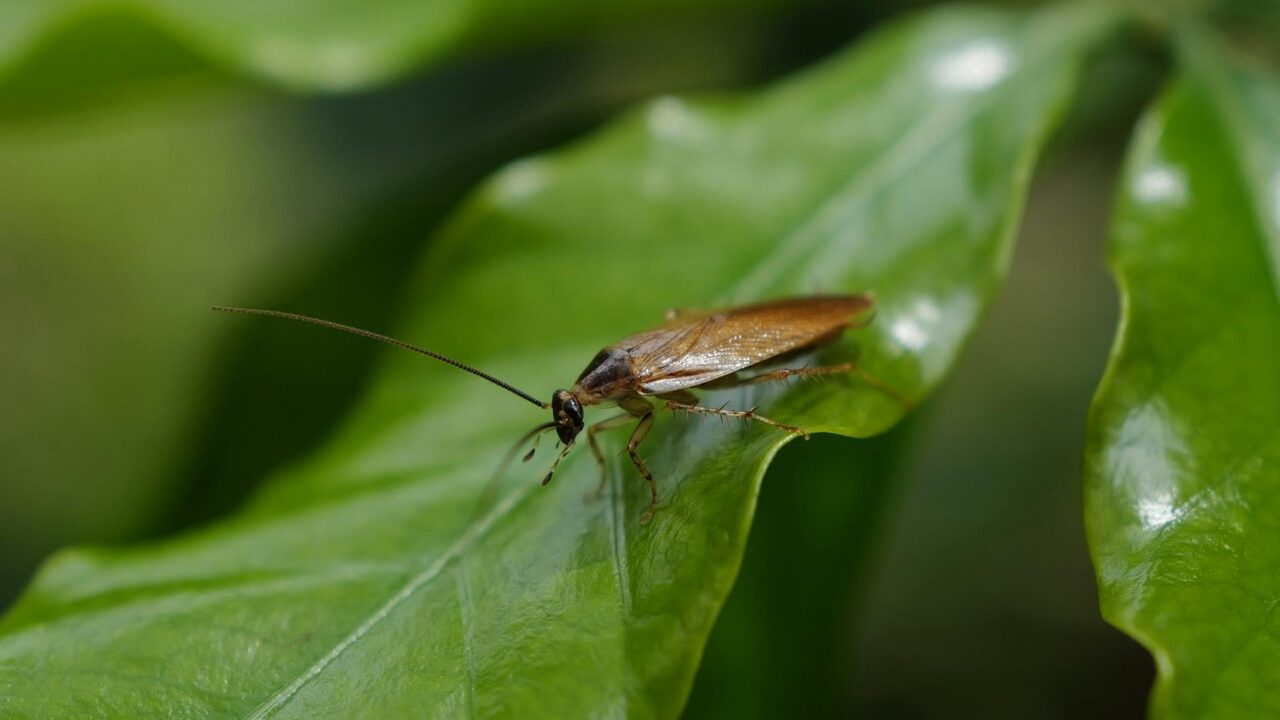
Spotting a cockroach in your HDB kitchen sends most people straight to the supermarket shelf — but the best cockroach killer in Singapore isn’t always the one that kills on sight. To actually clear an infestation, you need a product that reaches the ones you can’t see. This guide compares gels, baits and sprays so you can choose the right tool for the job.
Spray-on-sight vs killing the colony
There’s a crucial difference between two goals:
- Killing the cockroach in front of you — a contact spray does this instantly.
- Clearing the infestation — this needs a product roaches carry back to where they hide and breed.
Sprays handle the first; gel baits handle the second. For a German cockroach problem (the small ones that breed fast in kitchens), bait is usually the more effective long-term choice. The roaches feed on it, return to harbourage, and the active ingredient spreads through the population.
Cockroach killer types compared
| Type | How it works | Best for | Limitation |
|---|---|---|---|
| Gel bait | Roaches eat it, spread it to others | Ongoing kitchen infestations | Takes days; keep clean of competing food |
| Bait stations | Enclosed bait, child/pet-tidier | Homes with kids/pets | Slower; placement matters |
| Contact spray | Kills on contact | The one you can see now | Doesn’t reach hidden nests; can scatter them |
| Insecticidal dust | Treats voids and cracks | Behind cabinets, wall gaps | Use sparingly; follow label |
For most Singapore homes, the best cockroach killer is a good gel bait used correctly, with a spray kept only for the occasional visible roach.
How to use bait so it actually works
Bait fails most often because of how it’s used, not the product:
- Place small dots near harbourage — under the sink, behind the fridge, in cabinet corners, near gaps and pipes.
- Use many small placements, not one big blob.
- Don’t spray near the bait — repellent sprays drive roaches away from it.
- Keep the area clean so the bait is the most attractive food source.
- Re-check and replenish over a couple of weeks.
To understand which species you’re dealing with, see types of cockroaches in Singapore — German and American roaches behave differently.
Safety with kids and pets
- Choose enclosed bait stations rather than open gel where children or pets can reach.
- Place gel out of sight and reach, in cracks and voids.
- Store products in original packaging and follow label warnings.
- Ventilate well after using any spray.
Don’t forget the source
No cockroach killer works for long if the conditions that drew them remain. Alongside treatment:
- Fix leaks and dry out damp areas (roaches need water).
- Store food sealed and clear crumbs nightly.
- Seal gaps around pipes and skirting.
- Screen windows and drains where roaches enter — a window insect screen helps block one common entry route.
See our companion guide on how to prevent cockroaches for the full prevention checklist.
Why the roaches sometimes come back
Even after a good bait knockdown, cockroaches can reappear — and it usually isn’t the product’s fault. The common reasons:
- Competing food. If crumbs, grease and open food are everywhere, roaches eat those instead of the bait. Tidy the area so the bait wins.
- Bait placed in the wrong spots. Roaches hide near warmth, moisture and food. Bait needs to be where they travel, not where you happen to see one.
- Untreated moisture. Roaches need water; a dripping pipe or damp cabinet keeps them coming. Fix leaks alongside baiting.
- Reinfestation from neighbours. In HDB blocks, roaches travel along shared pipes and rubbish chutes, so a cleared flat can be re-colonised from next door.
Addressing the conditions, not just deploying the best cockroach killer, is what makes the result stick.
Boric acid, diatomaceous earth and other DIY options
Beyond shop gels and sprays, a couple of low-toxicity powders have a place:
- Boric acid can work as a slow-acting stomach poison when roaches walk through a fine dust and groom it off — applied as a light film in cracks and voids, never a thick pile. See boric acid for cockroaches.
- Diatomaceous earth dehydrates insects that crawl through it; keep it dry and use a thin layer in gaps. Our guide on diatomaceous earth for pests explains safe use.
Both are slow and work best in undisturbed harbourage, not on open counters. As with gel bait, keep competing food and moisture down so the treatment does the work.
When to call a professional
DIY bait clears many small problems. But if you see roaches in daylight, find them in multiple rooms, or they keep returning after baiting, the colony is established and likely beyond shelf products. That’s when professional cockroach control — with targeted treatment and follow-up — is the reliable fix, especially in shared HDB blocks where roaches travel between units.
Frequently asked questions
Gel bait or spray — which should I buy?
Why are there more roaches after I put down bait?
Do roaches in my HDB flat come from next door?
How long does gel bait take to work?
Related guides
- Types of cockroaches in Singapore
- How to prevent cockroaches
- How to keep cockroaches away
- Boric acid for cockroaches
- How to get rid of cockroach eggs
*Infestation won’t quit? Get a free cockroach control quote from Insect Out.*