Mosquito Repellent Patches & Stickers: Do They Work?
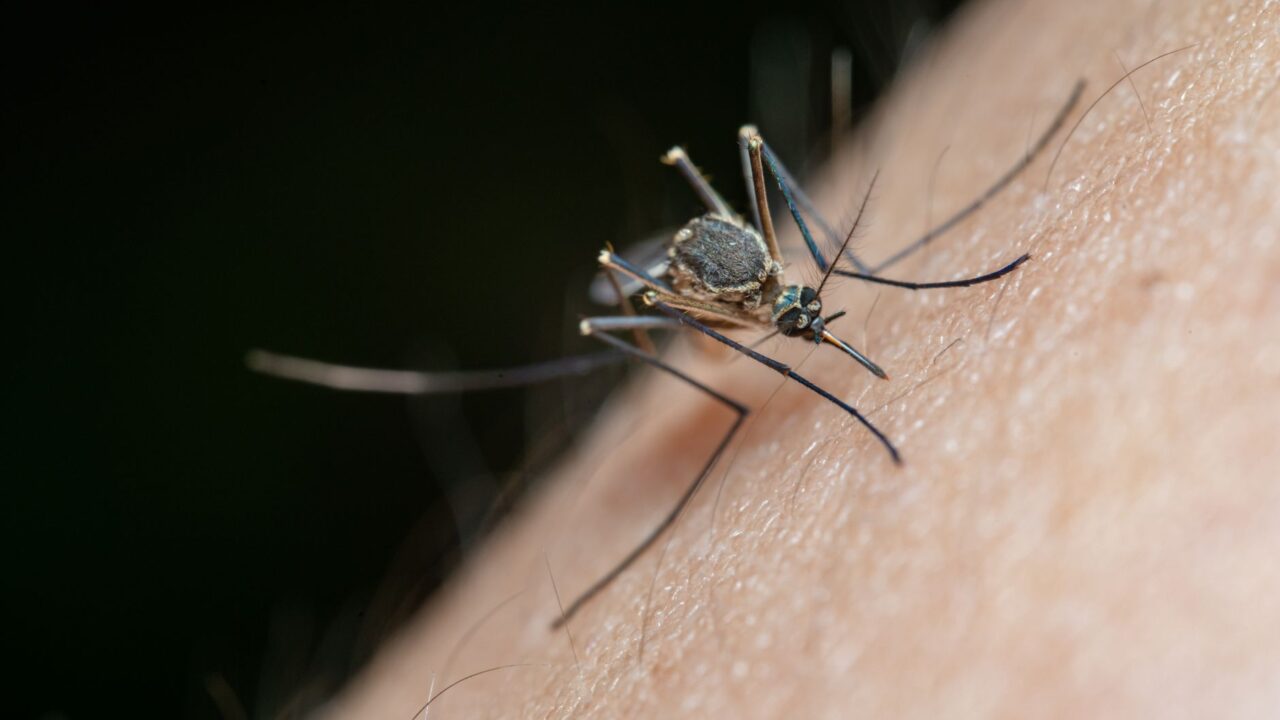
Mosquito repellent patches and stickers are popular with Singapore parents because they seem like a gentle, fuss-free way to protect children — just stick one on a sleeve and go. But does a mosquito repellent patch actually keep Aedes mosquitoes away? Here’s an honest look at how they work, where they fall short, and what offers more reliable protection for kids and families.
How Mosquito Repellent Patches Work
Most patches and stickers are infused with plant-based essential oils — usually citronella, lemongrass, eucalyptus or geraniol. The idea is that the scent masks the cues mosquitoes use to find you, creating a small repellent “cloud” around the patch.
That’s the theory. In practice, the patch only releases vapour near itself, so it doesn’t protect the whole body the way a skin-applied repellent does.
What the Evidence Actually Says
Independent testing of clip-ons, patches and wristbands has generally found that scent-only products give limited and short-lived protection compared with proven repellents.
- The repellent effect is localised — a patch on a shirt does little for exposed ankles and arms.
- Essential-oil scents evaporate quickly, especially in Singapore’s heat.
- They don’t match the duration or coverage of DEET or picaridin.
This doesn’t mean patches are useless — they may reduce bites slightly in a low-risk setting — but they shouldn’t be your main defence in a dengue-prone environment. If you’re curious whether the underlying ingredients work at all, our piece on do natural mosquito repellents work digs into the evidence.
Are They Safe for Children?
Generally, patches are applied to clothing rather than skin, which is part of their appeal for babies and toddlers. Keep a few precautions in mind:
- Stick patches on clothing or gear, never directly on a baby’s skin.
- Keep them out of reach so young children don’t peel and mouth them.
- Watch for skin irritation if a patch contacts the skin.
For guidance on what’s appropriate at different ages, our article on mosquito repellent for babies and kids covers safe options in more detail.
What Protects Better
If real protection matters — outdoor play near greenery, travel, or living near a dengue cluster — these work far better than patches:
| Option | Coverage | Duration | Best for |
|---|---|---|---|
| Picaridin repellent (10–20%) | Skin-wide | Several hours | Kids, sensitive skin |
| DEET (10–30%) | Skin-wide | Long | Outdoors, high exposure |
| Permethrin-treated clothing | Clothing | Long | Hiking, outdoor trips |
| Physical screening | Whole room | Permanent | Home protection |
Not sure which active ingredient suits your family? Our DEET vs picaridin comparison weighs them on duration, smell and skin-feel, and our broader best mosquito repellent in Singapore roundup shortlists dependable options.
For indoors, the most dependable protection isn’t worn at all — it’s keeping mosquitoes out of the room entirely. Our no-drill window insect screens let you ventilate while blocking mosquitoes, so children aren’t relying on a patch indoors.
What About Wristbands and Clip-Ons?
Repellent wristbands and clip-on fans are close cousins of patches and share the same limitation: they protect only a small zone around the device, not your whole body. A wristband on one arm does little for your other limbs.
- Wristbands: Localised scent; exposed skin elsewhere stays vulnerable.
- Clip-on fans: Disperse a repellent vapour but work best in still, enclosed air — a breeze blows the protection away.
Like patches, treat these as minor extras rather than dependable protection in a dengue-prone environment.
When a Patch Is Genuinely Worth Using
There are sensible moments for a patch, as long as you keep expectations modest:
- Short, low-risk outings. A quick walk to the playground or a stroller ride where you’d rather not apply lotion to a fidgety toddler.
- Layered over real protection. Clipped to a bag while the child also wears picaridin and covering clothing — a small bonus, not the front line.
- Indoor naps behind screens. Where a mosquito net for a baby cot or stroller does the actual work and the patch is reassurance.
Where it falls short is sustained outdoor exposure at dawn or dusk, near greenery, or anywhere a dengue cluster has been flagged. In those settings, scent alone simply can’t keep pace with host-seeking *Aedes*. If a child is being bitten despite a patch, our notes on why some people get bitten more explain the body-chemistry factors at play.
Patches as a Supplement, Not a Solution
A mosquito repellent patch can be a convenient extra layer — say, clipped to a stroller during a short outing — but treat it as a supplement, not your primary protection.
For dependable cover, combine:
- A proven skin repellent (picaridin or DEET) for exposed outdoor time.
- Light, covering clothing during dawn and dusk peaks.
- Screened windows and removed standing water at home.
If mosquitoes are persistent around your block despite these steps, the breeding source is likely nearby. Professional mosquito control in Singapore can locate and treat breeding spots you can’t reach yourself.
The bottom line for Singapore parents: a patch is fine as a small extra during a quick outing, but it shouldn’t be the only thing standing between your child and dengue-carrying *Aedes* mosquitoes. Reserve patches for low-risk convenience, and lean on proven repellents, covering clothing and home screening when it really matters.
Frequently asked questions
How long does a mosquito repellent patch last?
Can I stick a patch directly on my baby’s skin?
Are patches enough near a dengue cluster?
Related guides
- Best mosquito repellent for babies and kids
- Best mosquito repellent in Singapore
- DEET vs picaridin repellent
- Do natural mosquito repellents work?
- Mosquito net for baby cot and stroller
- How to stop mosquito bites from itching
*Want protection that doesn’t wear off? Explore no-drill window insect screens or arrange mosquito control through our contact page.*