Mosquito Repellent for Babies & Kids: What’s Safe?
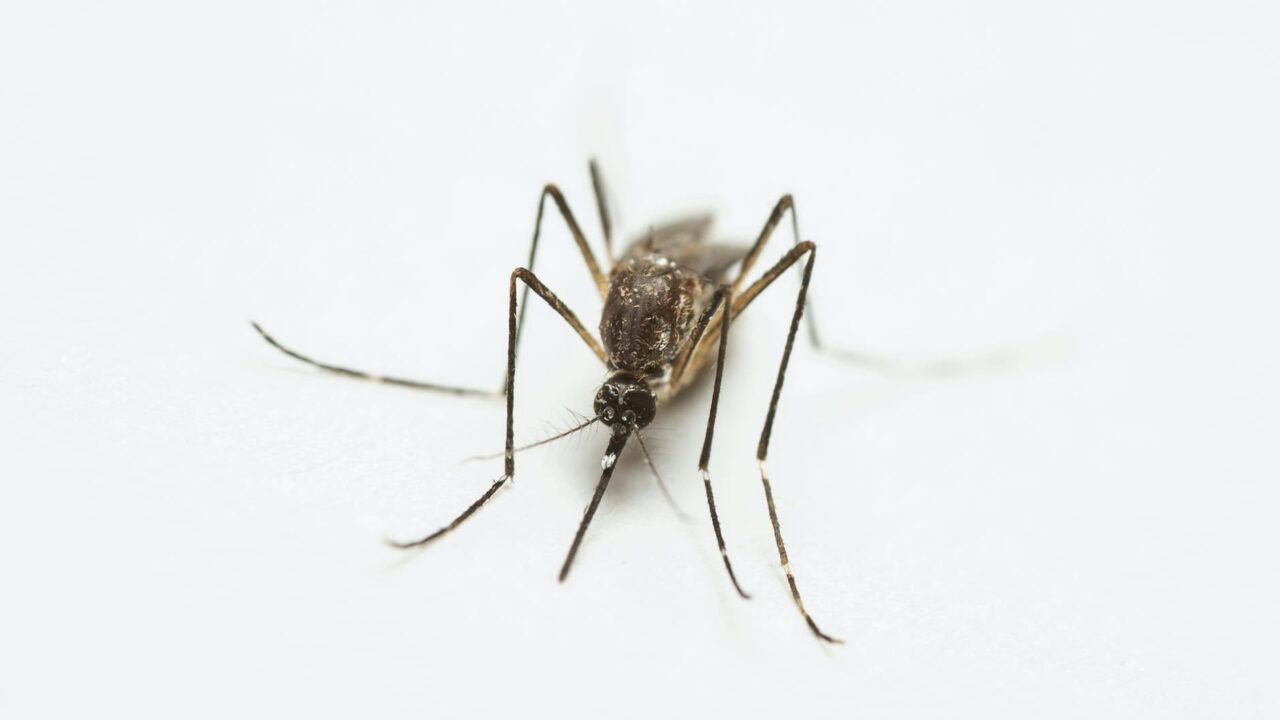
Protecting little ones from mosquitoes is a real worry for Singapore parents — dengue and Zika are spread by the Aedes mosquito, yet babies have delicate skin and you don’t want to over-apply chemicals. Choosing the right mosquito repellent for babies and kids means knowing what’s safe at each age, what to avoid, and how physical protection often matters most for the youngest children.
Mosquito Repellent for Babies: The Basics
For very young infants, the safest approach is usually physical protection rather than skin-applied repellent. As children get older, certain repellents become appropriate. General guidance many health authorities follow:
- Under 2 months — avoid skin repellents; rely on physical barriers like mosquito nets and screened rooms.
- Older infants and children — repellents with proven, well-studied actives can be used, following the product’s age guidance.
- Always read the label for the minimum age and how to apply for children.
Because product rules and concentrations vary, check the label and, if in doubt, ask a doctor or pharmacist for advice on a specific mosquito repellent for babies or young kids.
What’s Generally Considered Safe
Two repellent actives are widely studied and commonly recommended for children when used per the label:
- DEET — long-established and effective; lower concentrations are typically advised for children, and it’s generally not recommended for the youngest infants.
- Picaridin — effective, often less irritating and odourless, frequently chosen for kids.
For how these two compare, see our guide on DEET vs picaridin repellent.
How to apply repellent to a child safely:
- Apply to *your* hands first, then onto the child’s exposed skin — avoid the face, eyes, mouth and hands (which go in mouths).
- Don’t apply over cuts or irritated skin.
- Wash it off when you come back indoors.
- Don’t combine sunscreen-plus-repellent products for babies unless advised; apply sunscreen first, then repellent.
What to Avoid for Babies and Kids
- Don’t apply repellent to infants under the age your product specifies.
- Avoid applying near the face or hands of young children.
- Be cautious with “natural” oils — some (like undiluted essential oils) can irritate young skin and aren’t always as effective or as well-studied as proven actives.
- Avoid mosquito coils in enclosed rooms around babies — the smoke can irritate little airways.
Physical Protection Matters Most for the Youngest
For babies — especially under two months — the safest, most reliable protection is keeping mosquitoes away from them entirely:
- Mosquito nets over cots, prams and beds — fine-mesh, well-tucked nets work day and night without any chemicals.
- Screened windows and doors so mosquitoes can’t get into the nursery while you keep airflow. Our window insect screens are a no-drill option ideal for HDB flats and condos with young children.
- Dress them in light, long, loose clothing in mosquito-prone areas.
- Air-conditioning or fans to keep rooms cool and make it harder for mosquitoes to land.
This combination protects babies without relying on repellent on delicate skin.
Don’t Forget the Breeding Source
The fewer mosquitoes around your home, the less you need to worry about repellent at all. Aedes breed in small pools of stagnant water — plant plates, pails, gutters — so a weekly clear-out genuinely reduces the threat to your child. See our guide on how to prevent mosquito breeding, and the Say No to Zika resource on why this matters for families.
A Layered Plan by Age
A simple way to think about protecting children at different ages:
- Newborns to ~2 months: rely on physical protection only — cot nets, screened rooms, light clothing. Avoid skin repellents.
- Older infants and toddlers: physical protection remains the backbone, with a proven repellent on exposed skin when needed, applied per the label and away from hands and face.
- Older children: repellent becomes easier to use; keep teaching them to avoid rubbing eyes and to wash it off indoors.
At every age, screened windows and reduced breeding sites lower the need for repellent in the first place — which is the gentlest option for young skin.
When to See a Doctor or Call a Professional
See a doctor if your child develops a strong skin reaction to a repellent, or shows signs of illness such as high fever after bites in a dengue-prone period. For persistent mosquitoes around your home, professional mosquito control in Singapore can reduce the population so your little ones are better protected.
Getting Nets and Screens Right for Little Ones
Since physical protection does most of the work for the youngest children, it’s worth getting it right rather than relying on repellent. A few practical pointers:
- Cot and pram nets — choose a fine mesh that fully covers the opening and tuck or fix it so there are no gaps. A net only works if mosquitoes can’t slip around the edge. See our guide on the mosquito net for baby cot and stroller.
- Bedroom nets — a well-fitted bed net protects the whole sleeping area for older babies and toddlers, without any chemicals.
- Screened rooms — fitting screens on the nursery’s windows lets you keep airflow without mosquitoes, so you’re not choosing between a stuffy room and bites.
Layering these means you rarely need repellent on a baby’s skin at all — which is the gentlest approach. For the wider picture on keeping treatments and chemicals appropriate around children, see pest control safety for babies and children.
Frequently asked questions
What’s the safest mosquito protection for a newborn?
At what age can I use repellent on my child?
Are natural repellents safer for babies?
Can I use mosquito coils in my baby’s room?
Related guides
- DEET vs picaridin repellent
- Best mosquito repellent in Singapore
- Mosquito net for baby cot and stroller
- Best mosquito net for bed
- Pest control safety for babies and children
*Keeping your baby safe from mosquitoes? Screen the nursery or get help from our mosquito control team.*