Bed Bug in Chinese: 床虱, 臭虫 & Other Local Names Explained
In a multilingual, multi-generational Singapore household, the same pest can go by several names — which makes describing a problem tricky when grandparents, parents and children all use different words. The most common way to say bed bug in Chinese is 床虱 (chuáng shī), literally “bed louse”, though many older Singaporeans say 臭虫 (chòu chóng), the “smelly insect”. This guide clears up the terms in Chinese, Malay and Tamil, gives quick identification pointers, and shows you exactly what to say when booking pest control.
Bed bug in Chinese: 床虱 and 臭虫
There are two everyday Chinese terms, and both are correct:
- 床虱 (chuáng shī) — “bed louse”. This is the more literal, descriptive name and the one most people recognise when they think of a mattress pest.
- 臭虫 (chòu chóng) — “stink bug” or “smelly insect”. Bed bugs release a musty, sweetish odour when crushed or when an infestation is heavy, which is where this name comes from. Older family members often use this one.
Both point to the same insect. If a relative mentions 臭虫 while you have been searching for 床虱, they are almost certainly describing the same problem. In Hokkien and other dialects you may hear pronunciations that differ from Mandarin, but the written characters stay the same.
Malay and Tamil names
Singapore homes rarely run on one language, so it helps to recognise the other common terms:
- Malay: pepijat. A widely understood word for bed bug across Malay-speaking households.
- Tamil: மூட்டைப்பூச்சி (mūṭṭaippūcci). The everyday Tamil term. “Poochi” (பூச்சி) on its own simply means “bug” or “insect”, so a family member might use it loosely.
Knowing these helps when different generations under one roof describe the same itchy bites in different words — and when you relay the problem to a technician or a domestic helper.
Are they really bed bugs? Quick identification
Before you name the pest, it helps to be reasonably sure of it. Adult bed bugs are:
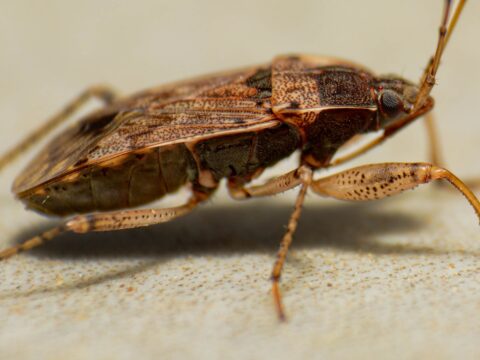
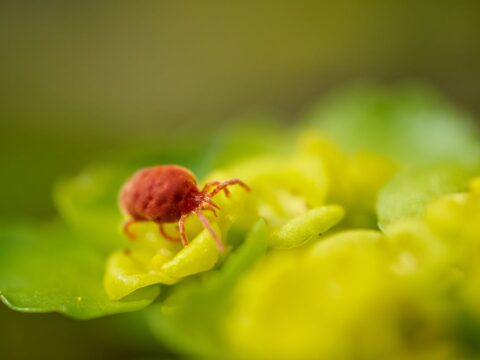
- Small and flat — roughly the size and shape of an apple seed (around 4–5mm), oval and reddish-brown.
- Wingless. They crawl; they do not fly or jump.
- Swollen and darker after feeding, when they look more balloon-like.
Tell-tale signs around the bed include small dark ink-like spots (droppings) along mattress seams, tiny pale shed skins, and clusters or lines of itchy bites on skin usually exposed while sleeping. Bed bugs are easily confused with other small insects, so if you are unsure, our guide on what bed bugs look like walks through each life stage and the look-alikes.
Why the right words matter when booking pest control
When you call a pest-control company in Singapore, the technician needs an accurate picture to price and plan the treatment. Mixing up pests — say, describing 臭虫 when you actually have ants or carpet beetles — can lead to the wrong preparation on the day.
A few tips for multilingual households:
- Agree on one description within the family first. If grandma says 臭虫 and you say bed bugs, confirm you both mean the mattress pest with itchy bites.
- Use English when booking where you can, since most Singapore pest-control operators work in English, then translate for family members at home.
- Send a photo. A clear picture of the insect or the dark spotting on the mattress seam removes any language ambiguity entirely.
What to say when you book
Keep it simple and specific. A useful script:
“I think we have bed bugs — 床虱 or 臭虫. There are itchy bites in the morning and small dark spots along the mattress seam in the bedroom. Can you inspect and quote for treatment?”
Then be ready to share:
- Which rooms are affected and how many beds or sofas.
- How long you have noticed bites or spotting.
- Property type — HDB flat, condo or landed — and how many bedrooms, as this affects the scope.
You do not need to identify the species precisely. That is the technician’s job during inspection. Your part is to describe what you see clearly, in whichever language works for your household.
Preparing the home (and the whole household)
Bed bugs spread between rooms by hitching on bedding, clothing and bags, so treatment usually covers more than the one bed. In a shared multi-generational flat, brief everyone before the visit:
- Strip and bag bedding from all affected rooms for hot washing.
- Reduce clutter under and around beds so technicians can reach harbourage points.
- Don’t move mattresses to another room — that risks spreading the infestation.
For the full process, chemical versus heat options and how professionals treat a home, see our bed bug treatment in Singapore guide.
Talking to a domestic helper or elderly relative
In many Singapore homes, the person who first notices bed bugs — while changing sheets or cleaning — may be a domestic helper or an elderly relative who describes the problem in their own words. To avoid mixed messages:
- Show a photo of a bed bug so everyone is looking for the same insect, not a beetle or an ant.
- Point out where to check — mattress seams, headboard joints and the piping along the edge of the bed.
- Agree on one phrase the household will use, whether that’s “bed bugs”, 床虱, 臭虫, pepijat or மூட்டைப்பூச்சி, so nobody is describing a different pest.
Getting everyone on the same page early means the problem is reported accurately and treated sooner, rather than being dismissed as ordinary mosquito bites.
Frequently asked questions
What is the correct word for bed bug in Chinese?
Why is a bed bug called 臭虫 (stink bug)?
What is bed bug in Malay and Tamil?
Do I need to name the pest exactly when booking?
Can bed bugs spread through a whole HDB flat?
Related guides
- Bed bug treatment in Singapore
- What do bed bugs look like?
- How to check for bed bugs
- Bed bug heat treatment in Singapore
- Pest control in Singapore
*Not sure if it’s 床虱 or something else? Send a photo and get a free bed bug assessment from Insect Out.*