What Do Bed Bugs Look Like? Size, Colour & How to Spot Them
Found a small brown insect near your mattress and want to be sure before you panic? Knowing what bed bugs look like — their size, colour and distinctive flat, oval shape — is the fastest way to tell a real infestation from a harmless look-alike. This guide walks through their appearance at every life stage, how they change after feeding, and the common Singapore household bugs people mistake for them.
The quick answer: size, shape and colour
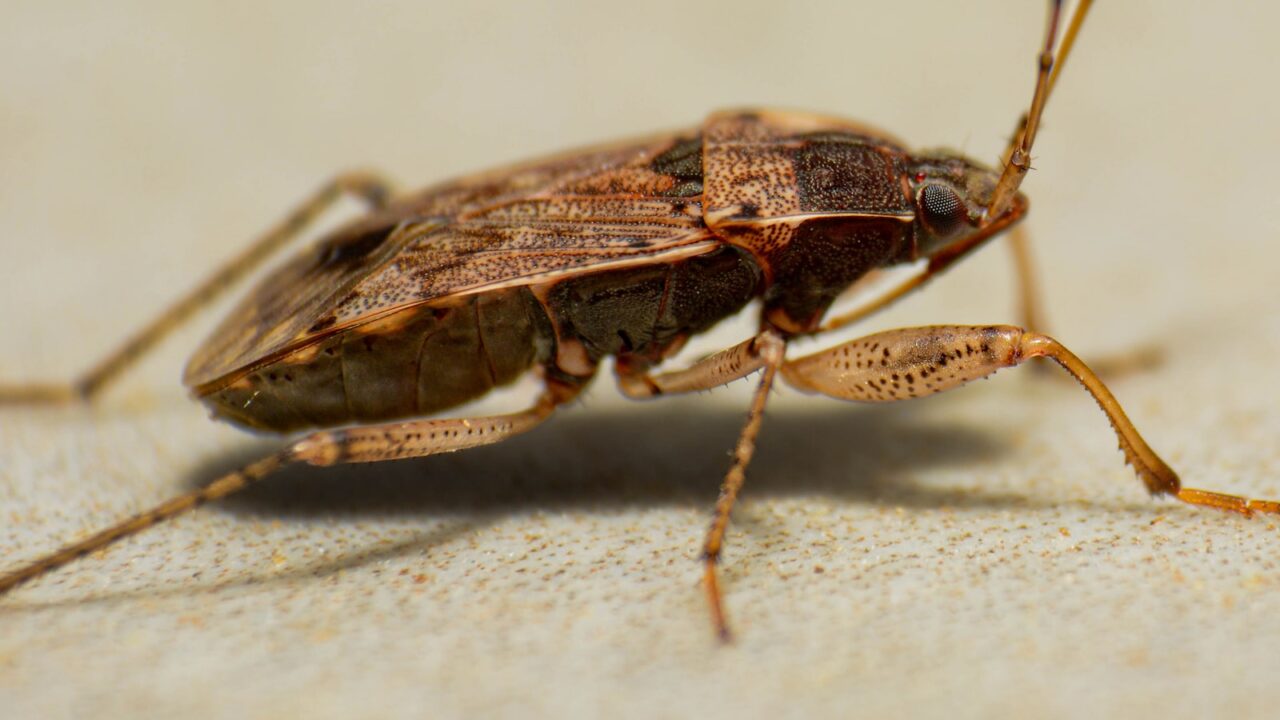
An adult bed bug is roughly the size of an apple seed — about 4 to 5 mm long. Picture these key features:
- Shape: flat and broadly oval when unfed, like a tiny lentil or a squashed disc.
- Colour: reddish-brown to mahogany.
- Body: visibly segmented, with short antennae and six legs. No wings — bed bugs cannot fly or jump.
- Texture: the upper body looks banded or ridged rather than smooth.
That flatness is the giveaway. Bed bugs are built to slip into seams, cracks and mattress folds, so an unfed adult is thin enough to hide in a credit-card-width gap.
How they change after feeding
A bed bug’s appearance shifts dramatically with a blood meal, which is why the same insect can look like two different bugs.
- Before feeding: flat, oval, and brown.
- After feeding: swollen, elongated and rounder, with a deep red to purplish colour as the blood shows through. It looks almost like a different, plumper insect.
If you crush one that has recently fed, it leaves a reddish smear — one of the more unpleasant confirmations people encounter.
What bed bugs look like at each life stage
Bed bugs pass through eggs, five nymph stages and adulthood. Recognising the younger stages matters, because seeing them means the population is breeding on site.
- Eggs: about 1 mm, pearly white, oval and sticky. They’re often laid in clusters in seams and cracks and are hard to see without a torch and a close look.
- Nymphs (young bed bugs): tiny — starting around 1 to 1.5 mm — and pale, translucent or whitish-yellow when unfed. After a blood meal they show a dark red centre. They look like smaller, paler versions of adults.
- Adults: the familiar 4 to 5 mm reddish-brown, apple-seed insect described above.
Because nymphs are so pale and small, they’re easy to miss on light-coloured bedding. For a closer look at the young stages, see our guide to baby bed bugs (nymphs) and what they mean.
Signs you’ll see even when the bugs hide
Bed bugs are secretive and largely nocturnal, so you’ll often notice their traces before the insects themselves:
- Dark spots (like tiny ink dots) on sheets and mattress seams — digested blood.
- Small rust or red smears where a fed bug was crushed.
- Pale, translucent shed skins left behind as nymphs grow.
- Tiny white eggs and eggshells clustered in seams.
- A faint, sweet, musty smell in heavier infestations.
If you spot these, our step-by-step guide on how to check for bed bugs shows exactly where and how to inspect.
Bugs commonly mistaken for bed bugs
Plenty of harmless household insects get blamed on bed bugs. Here’s how the common Singapore look-alikes differ:
| Insect | Size | How it differs from a bed bug |
|---|---|---|
| Booklice | ~1 mm | Pale, soft, translucent; live around damp, mouldy spots and paper — not beds. Don’t bite. |
| Carpet beetles | 2–4 mm | Rounder, hard-shelled, often patterned or mottled; larvae are fuzzy. Damage fabrics, don’t feed on blood. |
| Ticks | Varies | Have eight legs (bed bugs have six); usually arrive on pets and attach to skin. |
| Dust mites | ~0.2–0.3 mm | Microscopic — you cannot see them with the naked eye. If you can see it, it isn’t a dust mite. |
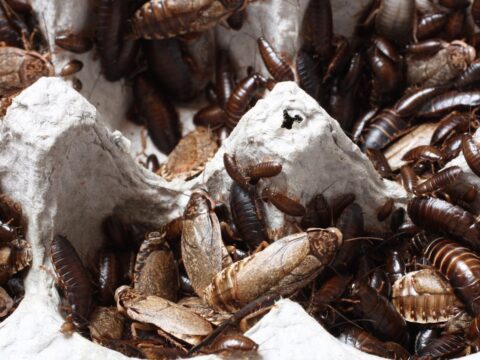
| Baby cockroaches | Varies | Longer, faster-moving, with long antennae and a more elongated body. |
The two most useful checks: count the legs (six means it could be a bed bug; eight means a tick), and remember that anything visible to the naked eye is far too big to be a dust mite.
Where to look for them
Bed bugs stay close to where people sleep or sit still for long periods. Concentrate your search on:
- Mattress seams, tufts and the underside, and the box spring or bed base.
- The bed frame and headboard, especially screw holes, joints and cracks.
- Skirting boards, cracks in walls, and behind loose wallpaper near the bed.
- Sofas and armchairs — seams, cushion folds and underneath.
- Behind picture frames and electrical fittings in heavier infestations.
A torch and an old bank card to run along seams make the search far easier. Work in daylight or with a bright light, and inspect slowly — bed bugs are patient hiders, and a quick glance rarely finds them. If you turn up live bugs, shed skins or clustered eggs in more than one of these spots, treat it as an established infestation rather than a stray.
Frequently asked questions
What do bed bugs look like to the naked eye?
Can you see bed bugs with the naked eye?
What colour are bed bugs?
Do bed bugs have wings or can they jump?
How do I tell bed bugs from carpet beetles or booklice?
Related guides
- How to check for bed bugs
- Baby bed bugs (nymphs): what they look like
- Bed bug heat treatment in Singapore
- Bed bug treatment in Singapore
- Bed bug exterminator in Singapore
*Confirmed bed bugs at home? Get a free quote from Insect Out for professional bed bug treatment.*