How to Check for Bed Bugs (Step by Step)
Waking up with unexplained bites or just back from travel and feeling uneasy? Knowing how to check for bed bugs early can be the difference between a quick fix and a full-blown infestation. Bed bugs are excellent hiders, but they leave clear evidence if you know where to look. This step-by-step guide walks you through checking your bed, furniture and luggage in a Singapore home.
What you’re looking for
Before you start, know the signs. When you check for bed bugs, you’re searching for any of these:
- Live bugs — flat, oval, reddish-brown, about the size of an apple seed (nymphs are smaller and paler)
- Dark spots — tiny black or rust-coloured droppings, often in clusters or smears
- Blood stains — small reddish marks on sheets
- Shed skins — translucent shells left behind as they grow
- Eggs — tiny, pale, rice-shaped clusters in seams and crevices
- A musty, sweet smell in heavy infestations
You’ll want a torch and ideally a magnifying glass or your phone camera to zoom in.
Step 1: Check the mattress
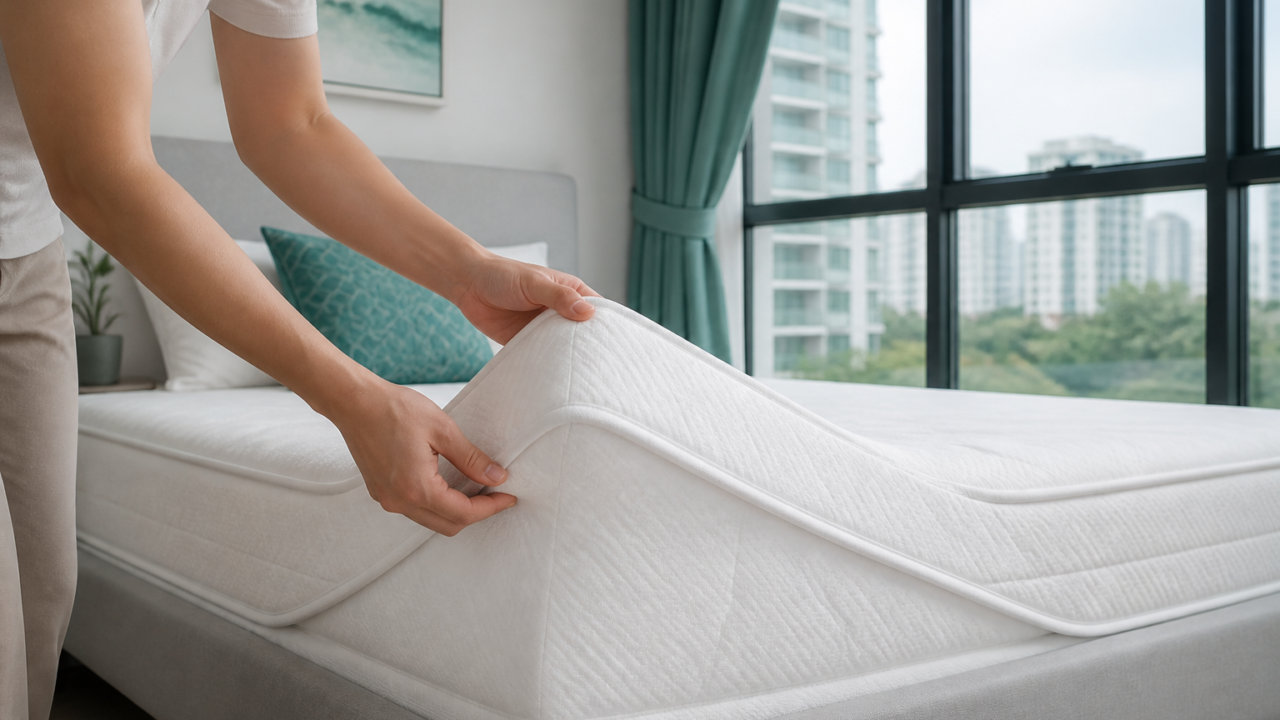
Start where bed bugs feed most. Strip the bedding and inspect:
- All seams, piping and folds along the mattress edges
- The tufts and buttons on the surface
- The underside and corners
- The box spring or divan base, including the underside
Bed bugs and their eggs hide in seams and folds, so run your eye slowly along every edge. Pay close attention to the head end of the bed, closest to where you sleep.
Step 2: Check the bed frame and headboard
Bed bugs often retreat into the frame during the day. Check:
- Joints, screw holes and cracks in wooden frames
- Behind and under the headboard (lift or pull it away from the wall)
- Slats and the underside of the base
- Any gap where two pieces meet
Headboards mounted against the wall are a classic hiding spot, so don’t skip them.
Step 3: Check around the bed
Bed bugs spread outward from the bed over time. Inspect:
- Bedside tables and drawers
- Skirting, power sockets and wall cracks near the bed
- Curtains and curtain rails close to the bed
- The edges of carpets and rugs
In HDB flats and condos where bedrooms are compact, bed bugs can move quickly between the bed and nearby furniture.
Step 4: Check sofas and soft furniture
Sofas, armchairs and other upholstered furniture are the second most common hiding place, especially where people nap or watch TV. When you check for bed bugs here:
- Remove all cushions and inspect the seams and zips
- Check the folds, piping and underside of the frame
- Look in the gaps where the arms meet the seat
Step 5: Check luggage and second-hand items
Most bed bug problems in Singapore arrive via travel or used furniture. After any trip, or before bringing second-hand items home:
- Inspect luggage seams, pockets and wheels
- Check the folds and seams of bought or gifted second-hand furniture
- Keep suitcases off the bed and floor until checked
For more on stopping them at the source, see our guide on how to prevent bed bugs.
What to do if you find signs
Finding one or two signs doesn’t always mean a full infestation, but it means you need to act. Bed bugs multiply fast and don’t go away on their own.
- Don’t move the mattress or furniture to another room — this spreads them
- Wash and hot-dry affected bedding
- Avoid spraying random insecticides, which can scatter them and make treatment harder
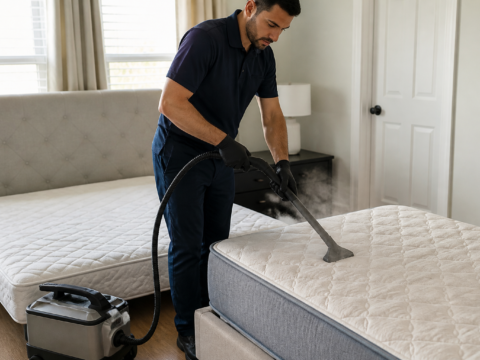
Bed bugs are notoriously difficult to clear with DIY methods alone because they hide in tiny crevices and resist many over-the-counter products. Professional bed bug treatment in Singapore targets every life stage in the places you can’t reach. If you’ve confirmed an infestation, that’s usually the most reliable route.
When to call a professional
Call for a professional inspection or treatment if:
- You find live bugs, eggs or multiple dark-spot clusters
- Bites continue despite cleaning
- You’re unsure whether what you’ve found is bed bugs
A trained technician can confirm the problem and treat it properly. Our bed bug treatment service covers inspection and a full plan to clear them.
How often should you check?
For most homes, an occasional look during a sheet change is enough. Step up your checks when the risk is higher:
- After any travel, especially hotel or hostel stays — bed bugs are notorious hitchhikers. Our guide to bed bugs in hotels and travel tips covers what to inspect.
- After bringing in second-hand furniture, mattresses or even electronics.
- If anyone wakes with unexplained bites, even before you’re sure of the cause.
- In a shared or rental setting, where neighbouring units can be a source.
A monthly two-minute glance at the mattress seams and headboard catches most problems while they’re still small and cheap to treat. If you do find pale, rice-shaped clusters, our guide on bed bug eggs and what they look like helps you confirm.
Frequently asked questions
Can I see bed bugs with the naked eye?
What time of day is best to check?
Do bed bugs only live in the bed?
Where do bed bugs come from in the first place?
Related guides
- Early signs of bed bugs
- Bed bug eggs: what they look like
- Where do bed bugs come from
- How to get rid of bed bugs
- How to prevent bed bugs
*Found signs of bed bugs? Get a free quote from Insect Out before they spread.*