House Centipedes in Singapore: Should You Worry?
Few household sightings make people jump like a fast, leggy house centipede scurrying across the bathroom wall at night. In Singapore’s damp climate they’re a fairly common visitor. The good news: a house centipede is mostly harmless, and it’s actually hunting the pests you don’t want. Here’s what they are, whether to worry, and how to get rid of them if you’d rather not share your home.
What is a house centipede?
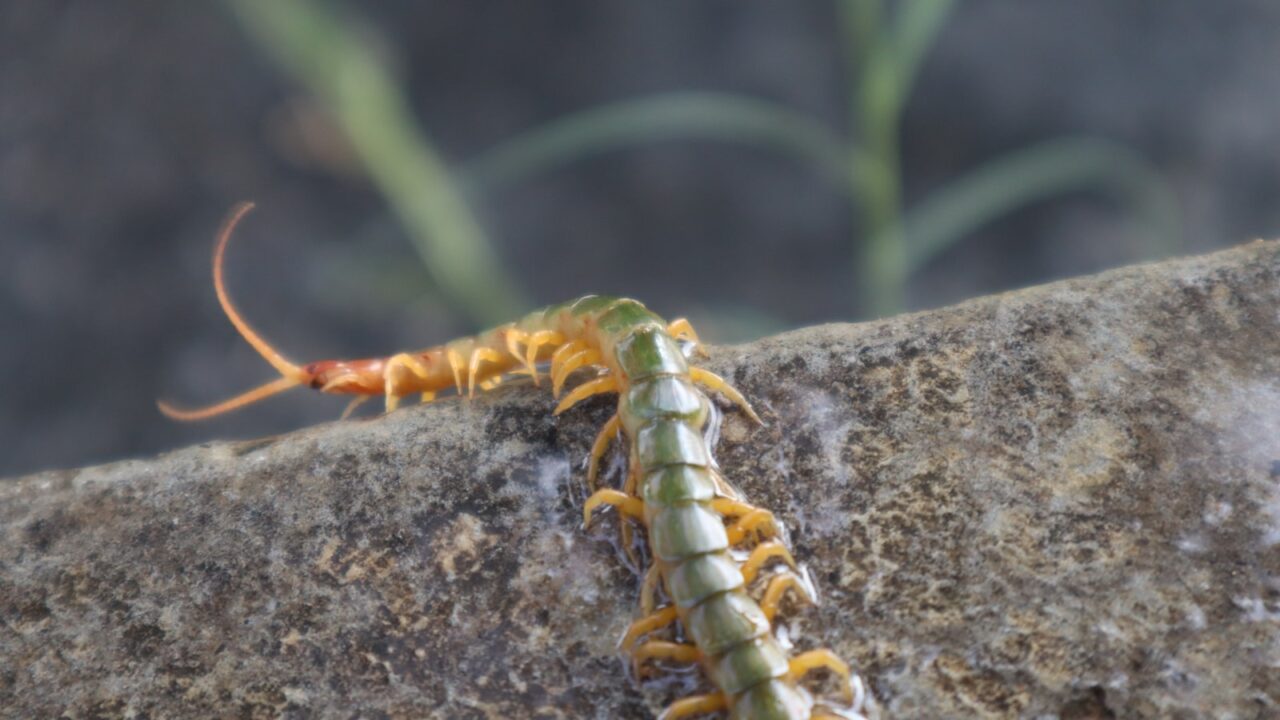
A house centipede is a flat, fast-moving arthropod with long legs, usually pale yellowish-grey with darker stripes. The common indoor species has many pairs of legs and can move surprisingly quickly across walls, floors and ceilings.
Unlike larger tropical centipedes found outdoors, the typical house centipede is small and prefers to stay hidden. They’re nocturnal, so you’ll usually spot one at night, often in a bathroom, kitchen or near a drain.
Are house centipedes dangerous?
For the most part, no. A house centipede is not aggressive and will flee rather than confront you. They can technically deliver a bite if handled, but it’s uncommon and usually no worse than a mild bee sting for most people.
What they’re actually doing is hunting:
- Cockroaches and their young
- Silverfish
- Booklice
- Small spiders and other insects
In other words, a house centipede is a predator of household pests. Their presence often signals that there’s enough prey, and enough moisture, to support them. Large outdoor tropical centipedes are a different matter and can give a more painful bite, but those are not the slender house centipede you typically find indoors.
Why house centipedes appear in Singapore homes
House centipedes need humidity and food. Singapore offers both in abundance. They’re drawn to:
- Damp bathrooms, kitchens and laundry areas
- Drains and floor traps
- Cluttered, undisturbed storage
- Homes with existing insect populations to feed on
Seeing one or two is normal. Seeing several regularly usually means you have a moisture problem, a feeder-pest problem, or both.
How to get rid of house centipedes
If you’d rather not keep them, focus on making your home less hospitable. Removing their food and moisture is more effective than chasing individuals.
- Reduce humidity. Run aircon or a dehumidifier, ventilate bathrooms, and fix leaks. Drier air discourages both centipedes and their prey.
- Cut off their food. Deal with the underlying insects they’re eating. Tackling roaches, silverfish and booklice removes the centipede’s reason to stay.
- Cover drains. Use drain covers and floor-trap screens, since drains are a common entry point.
- Declutter. Clear damp boxes, piles and undisturbed corners where they hide.
- Seal gaps. Fill cracks around skirting, pipes, windows and doors.
- Remove individuals. Capture and release a lone centipede outdoors, or vacuum it up if you prefer.
There’s rarely any need for heavy pesticide use against house centipedes specifically. Solve the moisture and prey problem and they leave on their own.
DIY limits and when to call a professional
A stray house centipede is a DIY matter. But if you’re seeing them often, the real issue is usually the pests feeding them. Consider professional help if:
- You also have a cockroach, silverfish or other insect problem
- Centipedes keep appearing despite drying and decluttering
- You’re seeing larger outdoor centipedes indoors regularly
Treating the underlying pest infestation removes the food source for good. See our pest control services in Singapore if the wider pest issue needs attention.
How to keep house centipedes out
Prevention is about denying them entry, moisture and food:
- Keep humidity down with aircon or a dehumidifier
- Fix leaks and ventilate wet areas
- Screen windows, vents and drains
- Seal cracks and gaps around the home
- Stay on top of other insects so there’s nothing to hunt
Because centipedes and the insects they eat often enter through windows, fitting a fine mesh helps. Our no-drill window insect screens keep small pests out while keeping airflow in. If cockroaches are the prey drawing them in, our guide on how to get rid of cockroaches in Singapore covers the source.
The bottom line
A house centipede looks far scarier than it is. It’s a mostly harmless predator that signals moisture and other pests nearby. Dry out your home, screen entry points, and deal with the insects they feed on, and they’ll move on.
House centipedes vs the centipedes you should respect
Not every leggy visitor is harmless, and it’s worth knowing the difference for a Singapore home. The slender, fast indoor house centipede has very long, delicate legs and rarely bites. The large tropical centipedes that sometimes wander in from gardens and drains are a different story: they’re thicker, darker, and their bite can be genuinely painful. If you’re ever bitten by a larger one, our guide on what to do after a centipede bite walks through the steps.
You may also see millipedes, which are rounder, slower and curl into a spiral when disturbed. They don’t bite at all but can appear in numbers after rain; see how to get rid of millipedes if that’s what you’re dealing with.
Frequently asked questions
Should I kill a house centipede or let it be?
Why am I suddenly seeing house centipedes?
Do house centipedes lay eggs indoors?
Are house centipedes a sign of other pests?
Why do house centipedes appear in the bathroom most?
Related guides
- Centipede bite: what to do
- How to get rid of silverfish
- Booklice in Singapore: what they are
- How to get rid of millipedes
*Dealing with the pests behind a centipede problem? Get a free quote from Insect Out and we’ll help you sort it out.*