Sandfly Bites in Singapore: Prevention & Relief

Anyone who’s spent an evening at an East Coast beach or a coastal chalet knows the misery of sandfly bites — small, intensely itchy welts that can last for days. Sandflies (often local biting midges, sometimes called “no-see-ums”) are common around Singapore’s coasts and mangroves. This guide covers where they bite, how to prevent bites with the right sandfly repellent, and how to ease the itch.
Where Sandflies Bite in Singapore
Sandflies and biting midges thrive in damp, sheltered coastal environments. You’re most likely to encounter them at:
- Beaches and beach parks, especially East Coast and Pasir Ris
- Coastal chalets and BBQ pits
- Mangrove and wetland edges
- Marinas and jetties at dawn and dusk
They’re tiny — often barely visible — and most active around sunrise and sunset, when humidity is high and wind is low. Their bites pack an outsized itch for their size because of the saliva they inject when feeding.
How to Prevent Sandfly Bites
Sandflies are small enough to slip through gaps that stop mosquitoes, so prevention needs a few layers:
- Use an effective repellent: A DEET or picaridin sandfly repellent works against midges as well as mosquitoes. Picaridin (10–20%) is a good option for sensitive skin and children.
- Cover up: Wear long, light-coloured sleeves and trousers at dawn and dusk; midges favour exposed ankles and arms.
- Treat clothing: Permethrin-treated clothing adds protection on outdoor trips.
- Pick your timing and spot: Stay in breezier, open areas — even a light wind keeps weak-flying midges away.
Reapply repellent as directed, especially after sweating or swimming, since the heat shortens how long it lasts.
Choosing a Sandfly Repellent
| Active ingredient | Strength | Best for |
|---|---|---|
| Picaridin | 10–20% | Children, sensitive skin, everyday use |
| DEET | 10–30% | Higher exposure, longer outings |
| Permethrin (clothing only) | As directed | Treated clothing, not skin |
Avoid relying on scent-only wristbands or patches — independent testing shows these give limited, localised protection against biting insects. For more on how the two main repellents compare, see our guide on DEET vs picaridin. If you’re choosing a single product for general outdoor use, our overview of the best insect repellent in Singapore explains what to look for.
How to Relieve Sandfly Bites
The itch is the worst part and can tempt you to scratch — which risks breaking the skin and infection.
- Wash the area with soap and water.
- Apply a cold compress to calm swelling and itch.
- Use an over-the-counter antihistamine cream or calamine lotion.
- Oral antihistamines can help if itching is widespread.
- Resist scratching; keep nails short for children.
See a doctor if bites become very swollen, show signs of infection (spreading redness, pus, fever), or if you have a strong allergic reaction.
Protecting Your Home Near the Coast
If you live near the coast or a waterway, midges can drift indoors through open windows in the evening. A fine-mesh barrier helps — but note that standard mosquito mesh has gaps large enough for the smallest midges, so a tighter weave is worth considering.
Our window insect screens can be specified with finer mesh to keep out smaller biting insects while still letting air through. Keeping windows screened during the dawn and dusk peaks makes a real difference for coastal homes.
Sandflies vs Mosquitoes: Knowing the Difference
People often blame mosquitoes for what are actually midge bites. Telling them apart helps you protect yourself better:
- Size: Sandflies/midges are far smaller — often almost invisible — while mosquitoes are easy to spot.
- Bite pattern: Midge bites often come in clusters on ankles and exposed skin and itch intensely.
- Location: Midges concentrate around coasts, mangroves and damp sheltered spots; mosquitoes are everywhere.
- Timing: Both peak at dawn and dusk in humid, still conditions.
Because midges are smaller, they slip through gaps and standard screens that stop mosquitoes — which is why finer mesh and covering up matter more for sandflies. If you’re not sure what’s biting you, our guide on how to identify bug bites walks through the usual culprits.
Coastal Homes: HDB, Condo and Landed
Where you live shapes how much midges bother you indoors. Seafront HDB blocks and condos near East Coast, Pasir Ris or Marina-facing developments catch the evening breeze that carries midges off the water — handy for ventilation, less handy for keeping them out. Lower floors and ground-level units near landscaped, damp planting or drains tend to see more biting insects than higher floors. Landed homes backing onto canals, monsoon drains or mangrove fringes are the most exposed of all.
The practical fix is the same across housing types: screen the windows you actually open in the evenings, and keep the dawn and dusk peaks covered. For flats, our HDB insect screens fit common window types without drilling; for ground-floor patios and balconies, balcony insect screens extend the same protection to larger openings.
Common Mistakes to Avoid
A few habits quietly make sandfly bites worse:
- Treating midges like mosquitoes. Standard mosquito mesh and repellent timing assume a larger, slower insect. Midges need finer mesh and more frequent reapplication.
- Applying repellent only to arms. Midges favour ankles, feet and the back of the neck — cover the spots you’d normally skip.
- Relying on a single layer. Repellent alone, or clothing alone, leaves gaps. Layering repellent, light long sleeves and timing works far better.
- Sitting in still, sheltered corners at dusk. These are exactly where weak-flying midges gather. A breezier, open spot keeps them off.
What About Cost?
Relief itself is inexpensive — repellent, antihistamine cream and a cold compress are everyday items. The bigger spend is preventing bites at home, and here a one-off, no-drill screen usually works out far cheaper over time than repeated repellent for a household, or repeat callouts for a problem screens would have solved. Exact pricing depends on how many windows you fit and the mesh you choose, so it’s worth getting a quick quote rather than guessing. Use our what’s my size tool to scope it out.
When It’s a Bigger Problem
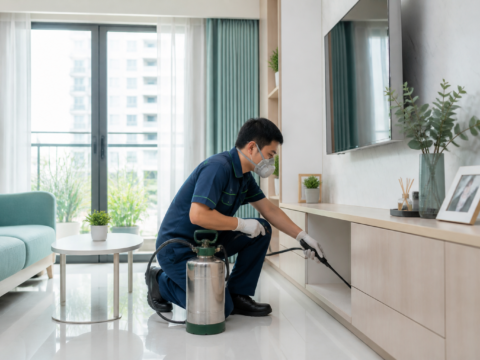
Sandfly bites are usually an outdoor nuisance rather than a home infestation. But if you’re getting bitten persistently indoors, or there’s standing water and damp breeding habitat right around your home attracting midges and mosquitoes, it’s worth a professional look. Our mosquito control in Singapore team treats nearby breeding sources that fuel biting-insect numbers around your block. It also helps to find and clear mosquito breeding spots of your own, since the same damp conditions favour midges.
Frequently Asked Questions
Are sandfly bites dangerous in Singapore?
Why do sandfly bites itch so much more than mosquito bites?
Will a normal mosquito screen stop sandflies?
When are sandflies most active?
Related Guides
- DEET vs picaridin repellent
- Best mosquito repellent in Singapore
- How to stop mosquito bites from itching
- How to identify bug bites
- Mosquito season in Singapore
- Window insect screens
*Getting bitten at home near the coast? Fit finer-mesh window insect screens or ask about mosquito control via our contact page.*