How to Identify Bug Bites: A Singapore Guide
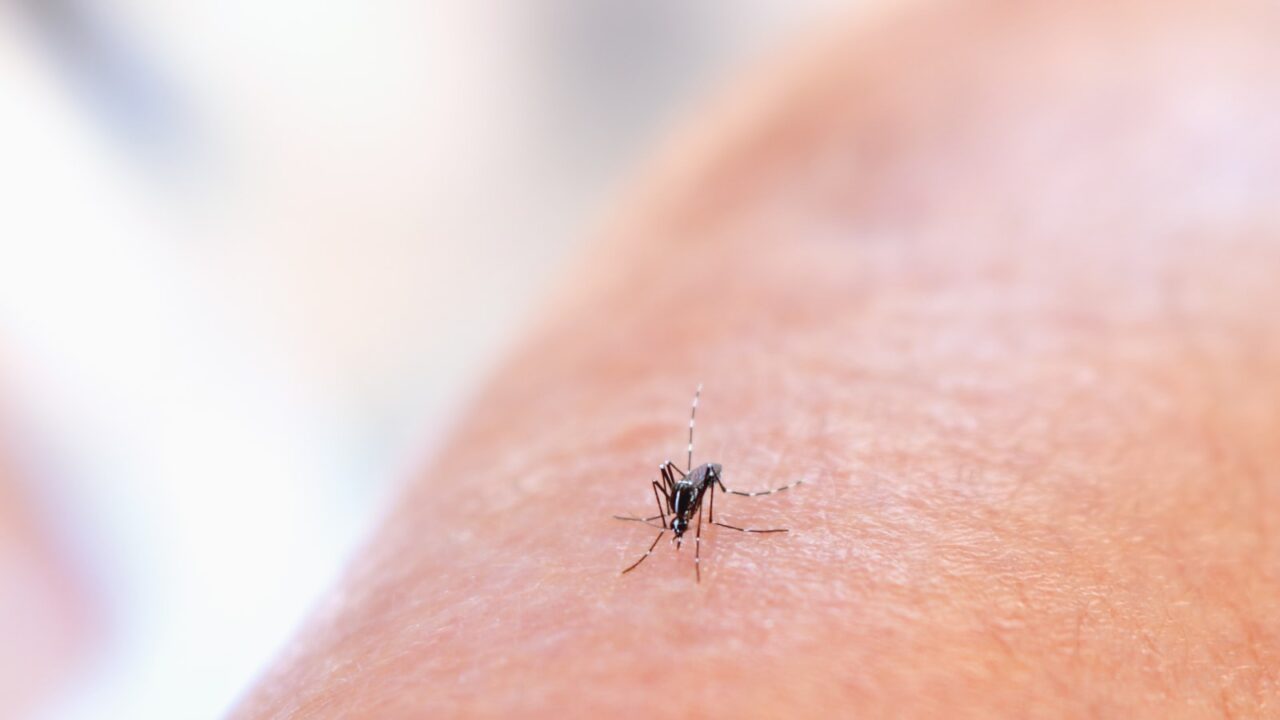
You wake up with itchy red marks and the first question is always the same: what bit you? Bug bite identification matters because the pest behind the bite — mosquitoes, bed bugs, fleas or ants — changes how you treat the itch and, more importantly, how you stop it happening again. In Singapore’s warm, humid climate, several biting insects are active year-round in HDB flats, condos and landed homes.
This guide walks through the most common bites, the clues that distinguish them, and when a bite is worth a doctor’s visit.
Why bug bite identification is tricky
Most insect bites look broadly similar: a small raised red bump that itches. Reactions also vary from person to person, so the same pest can leave a faint dot on one family member and an angry welt on another.
Instead of relying on the bump alone, good bug bite identification uses three extra clues:
- The pattern — single, clustered, or in a line?
- The location — exposed skin, or areas covered by bedding/clothing?
- The timing — appeared overnight, after being outdoors, or after handling a pet?
Put those together and the likely culprit usually becomes clear.
Mosquito bites
Mosquito bites are the most common in Singapore. They appear as round, puffy, itchy bumps, usually on exposed skin like ankles, arms and the neck. They often show up singly or scattered, and the itch tends to fade within a day or two.
Aedes mosquitoes — the dengue and Zika carriers NEA targets through Mozzie Wipeout — bite during the day, especially early morning and late afternoon. If you are getting daytime bites near stagnant water around the home, mosquitoes are the likely cause.
Bed bug bites
Bed bug bites are flat or slightly raised, very itchy, and a key tell is the pattern: they often appear in a line or zigzag of three or more, sometimes called “breakfast, lunch and dinner.”
Other clues point to bed bugs rather than mosquitoes:
- Bites on skin that was covered by bedding — back, torso, shoulders.
- Marks that appear after sleeping and are absent during the day.
- Tiny blood spots or dark specks on your sheets and mattress seams.
If that sounds familiar, confirm it before treating. Our guide on bed bug bites versus mosquito bites breaks down the differences in detail, and bed bugs almost always need professional bed bug treatment to fully clear.
Flea bites
Flea bites are small, very itchy red dots, often with a tiny red centre. They cluster on the lower legs and ankles because fleas live in carpets and flooring and jump up.
The strongest clue is a pet. If you have a cat or dog and you are getting bitten around the ankles, fleas are a prime suspect. Fleas breed fast in humid Singapore homes, so the bites keep coming until the source is cleared.
Ant bites and stings
Ant bites feel different — usually a sharp pinch or sting at the moment it happens, rather than an itch you notice later. Common biting ants in Singapore include fire ants, which leave a burning sting and sometimes a small pus-filled blister, and the tiny but aggressive ants that nest near kitchens and bins.
If bites happen while you are sitting on the floor, gardening on the balcony, or near an ant trail, ants are the likely cause.
Here is a quick reference comparing the most common bites at a glance:
| Bite | Where | Pattern | Tell-tale clue |
|---|---|---|---|
| Mosquito | Exposed skin | Single/scattered | Puffy, fades fast |
| Bed bug | Covered skin | Line or cluster | Appears overnight |
| Flea | Ankles/lower legs | Clusters | You have a pet |
| Ant | Anywhere, often legs | Single | Sharp sting felt |
| Spider | Anywhere | Usually single | Rare in SG, two marks |
How to relieve the itch (general care)
For most bites, simple self-care is enough:
- Wash the area with soap and water.
- Apply a cool compress to ease swelling.
- Avoid scratching, which can break the skin and cause infection.
- An over-the-counter anti-itch cream can help.
See a doctor if you notice spreading redness, warmth and pus (signs of infection), a large allergic reaction, difficulty breathing, fever, or if a bite is not improving after a few days. This guidance is general — a doctor or pharmacist can advise on your situation.
Bites in HDB flats, condos and landed homes
Where you live shifts the odds. In HDB flats and condos, shared walls, rubbish chutes and corridors make it easy for cockroaches and the occasional pest to move between units, while bed bugs travel in on luggage, second-hand furniture and visitors. Bites that appear overnight on covered skin are a particular worry in shared-block living because an untreated neighbouring unit can re-seed the problem.
In landed homes, the garden brings a wider cast: fire ants and weaver ants in the foliage, mosquitoes from drains and plant trays, and fleas or ticks carried indoors by pets. If your bites started after time in the garden or after the dog came in, that outdoor link is your clue. Whatever the home type, Singapore’s year-round warmth means there is no quiet season — biting insects stay active in every month, so identification and prevention both matter all year.
Common mistakes when identifying bites
A few errors send people down the wrong path:
- Blaming spiders for clusters. Genuine spider bites are rare and almost always single. Multiple bumps point to mosquitoes, fleas or bed bugs instead.
- Assuming one bite means one pest. You can be bitten by more than one insect, especially in a home with both mosquitoes and an early bed bug or flea problem.
- Treating the skin and stopping there. If you never find and remove the source, the bites simply keep coming.
- Scratching “to relieve it”. Broken skin in our humid climate invites infection — the very thing that turns a harmless bite into a doctor’s visit.
Stop the bites at the source
Treating the itch is only half the job. The real fix is removing the pest:
- Mosquitoes — clear stagnant water, follow NEA’s Mozzie Wipeout steps, and fit window insect screens so you can ventilate without letting them in.
- Bed bugs and fleas — these need thorough, often professional, treatment.
- Ants — trace and treat the colony, not just the trail; our guide on how to get rid of ants in Singapore explains baiting.
If bites keep recurring and you cannot identify or stop the source, it is worth getting help. Our pest control specialists in Singapore can identify the pest behind the bites and treat the infestation properly.
Frequently asked questions
Can one type of insect leave different-looking bites on different people?
How long do most bug bites take to heal?
The bites only appear at night — what does that suggest?
Related guides
- Bed bug bites vs mosquito bites
- Flea bites on humans
- Ant bites and stings
- Are spider bites dangerous in Singapore?
- How to stop mosquito bites from itching
*Not sure what is biting your family? Get a free assessment from Insect Out and stop the bites at the source.*