How to Get Rid of Crickets in the House (Singapore)
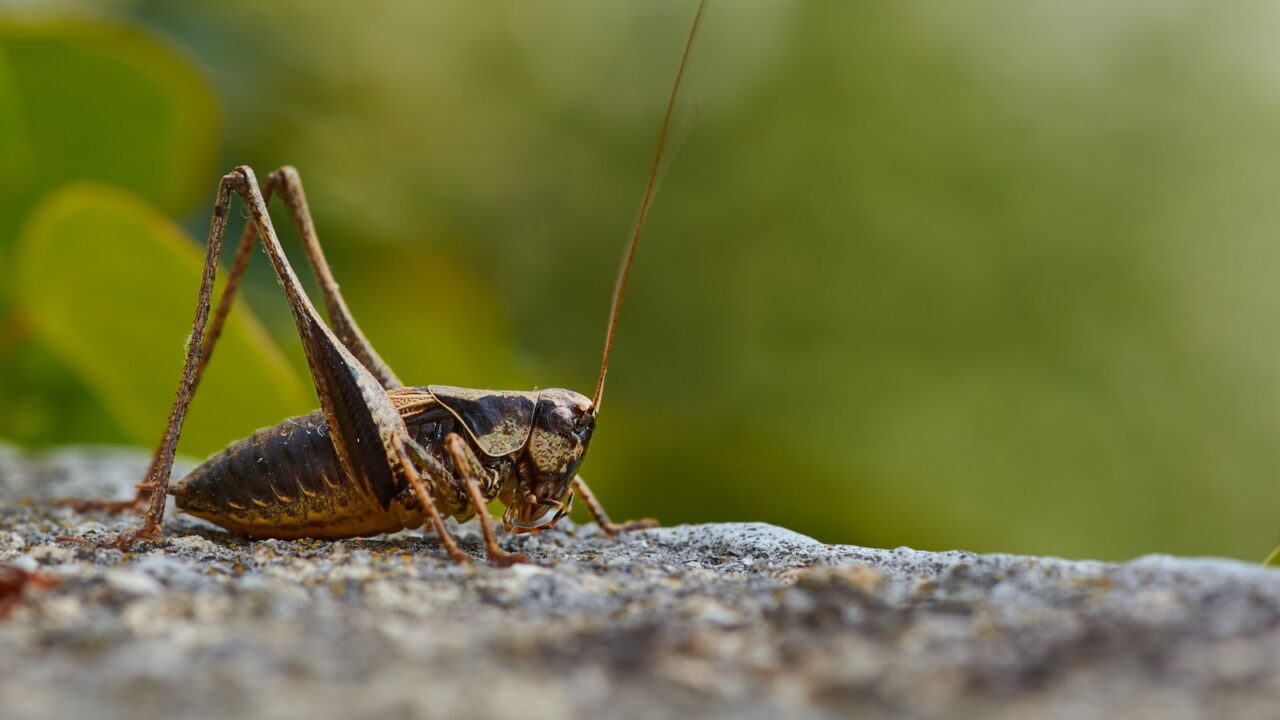
A single cricket chirping somewhere in the flat at 2am can keep a whole household awake — and the sound is maddeningly hard to pinpoint. Crickets wander indoors from gardens, drains and ground-floor areas, especially in Singapore’s warm, humid evenings. If you’re losing sleep, here’s how to get rid of crickets in the house, find the culprit, and keep them out for good.
Why crickets get into your home
Crickets are outdoor insects that come inside seeking shelter, food or to escape wet conditions. They’re drawn to:
- Warmth and light, especially at night
- Damp, dark hiding spots like drains, store rooms and under furniture
- Food crumbs and clutter that offer something to eat
- Gaps and openings around doors, windows and pipes
Knowing how to get rid of crickets starts with understanding they’re visitors, not a breeding infestation in most homes — so removing the few inside and sealing the gaps usually solves it.
How to find the chirping cricket
That elusive chirp is the male calling, and it stops the moment you get close — which is why it’s so hard to locate. To track it down:
- Listen at night when it’s quiet and the chirping is loudest.
- Move slowly toward the sound; pause when it stops and wait for it to resume.
- Check dark, damp spots — behind furniture, under appliances, near drains, in store rooms and along skirting.
- Dim the lights and use a torch, as crickets stay hidden in bright rooms.
Patience wins here. Once you spot it, you can catch or remove it directly.
How to get rid of crickets you’ve found
For the cricket (or few) inside:
- Catch and release with a cup and card, or vacuum it up and empty outside.
- Set simple traps — a shallow dish with a little molasses or sticky tape near where you hear them works overnight.
- Reduce hiding spots by decluttering damp, dark corners.
- Clean up crumbs and food residue that give them a reason to stay.
Crickets don’t usually breed indoors in large numbers, so removing the few that wandered in is often enough.
Seal them out for good
The lasting fix is stopping crickets entering in the first place:
| Action | Why it helps |
|---|---|
| Seal gaps around doors, windows and pipes | Closes their entry routes |
| Fit door sweeps on gappy doors | Blocks a common ground-level entry |
| Reduce outdoor lighting near entrances | Light attracts crickets at night |
| Keep the home dry and decluttered | Removes shelter and appeal |
| Fit window insect screens | Keeps crickets and other insects out |
Window screens are especially effective: they let you keep windows open for cooling evening air without inviting crickets, mosquitoes and other insects inside. They’re one of the simplest long-term barriers for a Singapore home.
Where crickets get in — ground floor and gates
Crickets are ground-level wanderers, so the units most affected are typically lower-floor HDB flats, landed homes and anything close to a garden, drain line or grassy verge. They rarely climb to high floors, which is why a ground-floor flat can be plagued while the unit ten storeys up never hears one.
A few entry points deserve special attention:
- The main door gap. A worn threshold or a gate left open is the easiest route in at night. A door sweep makes a real difference.
- Service balconies and yard areas, where drains and damp meet the outdoors.
- Gates and grilles on landed homes, which insects pass straight through. Pairing them with gate insect screens keeps the airflow while blocking crickets and larger insects.
Cutting outdoor lighting near these entrances at night also helps, since the glow is what draws crickets toward the doorway in the first place. For the full set of entry-sealing tactics, see our guide on how to keep insects out of the house.
Keep your home less inviting
Crickets stay where there’s food, moisture and shelter. Remove those and they move on:
- Fix leaks and dry out damp corners.
- Store food sealed and wipe up crumbs.
- Clear clutter, especially cardboard and storage near the floor.
- Keep drains clean and covered.
These habits also discourage the many other pests that share crickets’ love of damp, cluttered spaces, including millipedes that march indoors after rain.
When to call a professional
A stray cricket or two is a simple DIY fix. But if you’re hearing many crickets night after night, or they keep returning despite sealing and cleaning, there may be a larger population nearby — often around ground-floor units, drains or shared areas — or another pest issue worth checking.
If crickets persist, professional pest control in Singapore can identify where they’re coming from and treat the source. For other night-active home invaders, our guide on how to get rid of house centipedes is a useful companion.
Frequently asked questions
Why can I hear a cricket but never find it?
Do crickets breed inside the house?
Are crickets harmful?
What attracts crickets to my flat at night?
Related guides
- How to keep insects out of the house
- How to get rid of house centipedes
- How to get rid of millipedes
- Gate insect screens
- Window insect screens
The bottom line
To get rid of crickets in the house, track down and remove the few inside, then seal gaps, cut outdoor lighting, dry out damp spots and screen your windows. That combination stops the chirping and keeps new crickets from wandering in.
*Crickets keeping you up despite sealing the gaps? Contact Insect Out for a free assessment, or fit window insect screens to keep them out for good.*