Subterranean vs Drywood Termites: How to Tell Them Apart
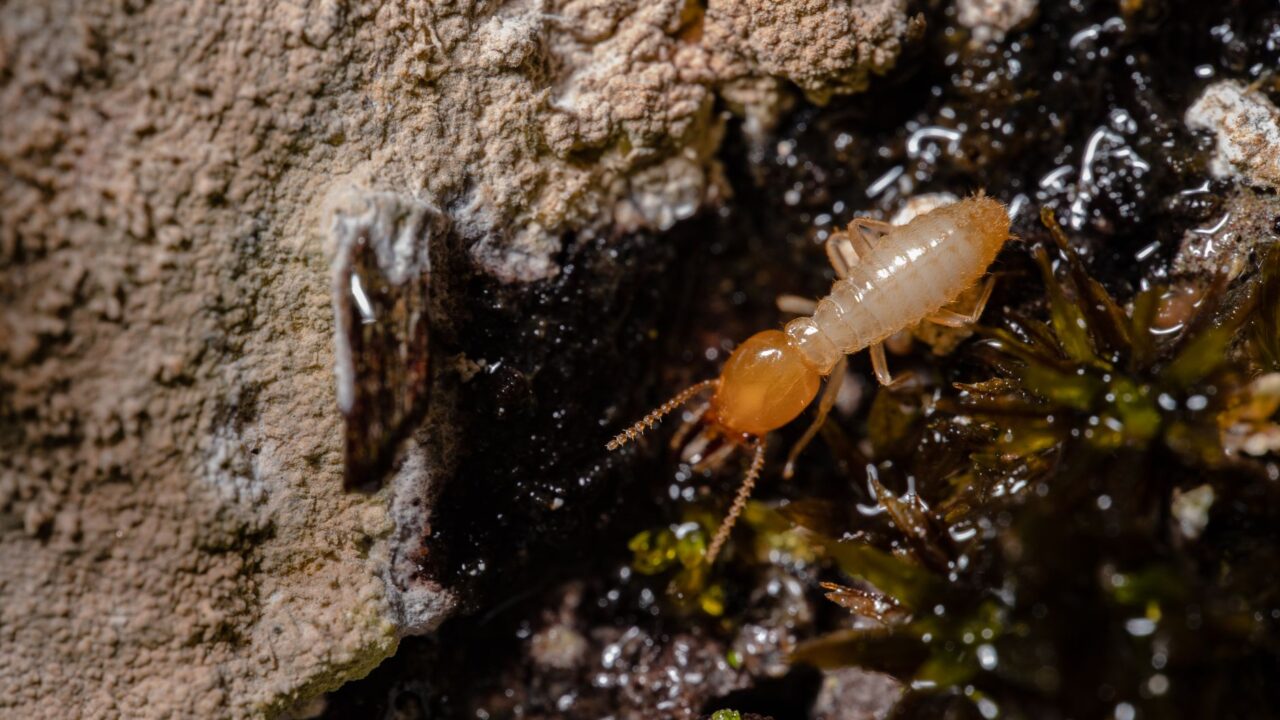
Not all termites are the same, and the type you have changes how the problem is treated. In Singapore homes, the question of subterranean vs drywood termites comes up often — they look similar but behave very differently, and confusing them can lead to the wrong treatment. Here’s how to tell them apart and why it matters.
The two termite types in Singapore homes
- Subterranean termites live in the soil and build colonies underground. They’re by far the most common and most destructive termites in Singapore, attacking homes from the ground up.
- Drywood termites live entirely inside the timber they eat. They don’t need contact with soil and can infest furniture, door frames, beams and roof timbers.
Both feed on wood, but where they live and how they reach your home are completely different — and that’s the key to the right treatment.
Subterranean vs drywood termites at a glance
| Feature | Subterranean | Drywood |
|---|---|---|
| Lives in | Soil; needs ground contact | Inside dry timber |
| Moisture need | High; builds mud tubes for moisture | Low; survives in dry wood |
| Tell-tale sign | Mud tubes on walls/foundations | Wood-coloured pellet droppings |
| Common in SG | Very common, most damaging | Less common, often in furniture/timber |
| Colony size | Very large | Smaller |
| Reaches home via | Ground, foundations, cracks | Infested wood, swarmers flying in |
How to tell which one you have
Look for the signs each type leaves behind:
Subterranean termites:
- Mud tubes — pencil-width earthen tunnels running up walls, skirting or foundations. This is the clearest sign.
- Wood that sounds hollow when tapped.
- Damage that follows the grain and often starts low, near the ground.
- Swarmers (winged termites) and discarded wings near windows, usually after rain.
Drywood termites:
- Frass — small, hard, six-sided pellets, often in little piles below the infested wood. The colour matches the timber.
- Small kick-out holes in the wood surface.
- Damage inside furniture, door frames or timber that has no soil contact.
If you find mud tubes, you’re almost certainly dealing with subterranean termites. If you find dry, gritty pellets and no mud tubes, drywood is more likely. You can read more about local drywood activity in our guide to drywood termites in Singapore.
Why the difference changes the treatment
Because the two types live in different places, they need different approaches:
- Subterranean termites are usually treated by addressing the colony in the soil — soil treatment around the structure, or baiting systems that the workers carry back to the nest. Spot-spraying timber alone won’t reach an underground colony.
- Drywood termites are inside the wood, so treatment targets the affected timber directly — for example, localised wood treatment, or in serious cases dealing with or replacing the infested items.
Getting the identification right first is essential. Treating drywood timber when you actually have a subterranean colony in the soil — or vice versa — wastes time while the damage continues.
When to call a professional
Termites cause structural damage quietly, and identification is genuinely hard for a homeowner — swarmers, mud tubes and frass can be missed or mistaken. If you suspect any termite activity, it’s worth getting a proper inspection rather than guessing between subterranean vs drywood termites yourself.
A professional can confirm the species, locate the colony or infested timber, and recommend the correct treatment. For accurate diagnosis and the right approach, professional termite control in Singapore is the safest course — especially given how costly termite damage can become if left unchecked.
Can you have both types at once?
It’s uncommon but possible for a home to face both subterranean and drywood termites — for example, a subterranean colony attacking from the soil while a piece of infested second-hand furniture brings drywood termites indoors. This is another reason not to assume the first signs you find tell the whole story.
It also explains why a proper inspection looks at both the structure and the soil interface, and at standalone timber items. If only one type is treated while the other is missed, damage continues quietly. A thorough assessment checks for both, so the treatment plan covers everything that’s actually present rather than just the most obvious problem.
Why this matters for HDB flats and condos
In high-rise homes, subterranean termites usually reach ground-floor and lower units through the soil beneath the building, the foundations and service risers, then move upward through the structure. Upper-floor units aren’t immune — termites can travel surprising distances once established. Drywood termites, by contrast, often arrive in a piece of infested timber: second-hand furniture, a wooden door, even decorative beams. That’s why the way they enter changes both the inspection and the treatment, regardless of whether you’re in a flat, condo or landed home. For a fuller picture of how termites show up locally, see the signs of termites in your home in Singapore and our guide to flying termites in Singapore.
Frequently asked questions
Which termite type is more common in Singapore?
Can I treat termites myself once I know the type?
Are flying termites subterranean or drywood?
What’s the quickest way to tell the two apart at home?
Related guides
- Termites vs ants: how to tell them apart
- Drywood termites in Singapore
- Anti-termite treatment explained
- How to prevent termites
- Termite inspection: what to expect
- Signs of termites in your home
*Not sure which termites you have? Contact Insect Out for a professional inspection and the right treatment for your home.*