Rat vs Mouse: How to Tell Which You Have
You’ve spotted a rodent or its droppings, but is it a rat or a mouse? It’s not just curiosity — in the rat vs mouse question, the answer shapes how you respond, because the two differ in size, behaviour and the control methods that work. Here’s how to tell which one you’re dealing with in a Singapore home, and what to do next.
Rat vs mouse: the quick comparison
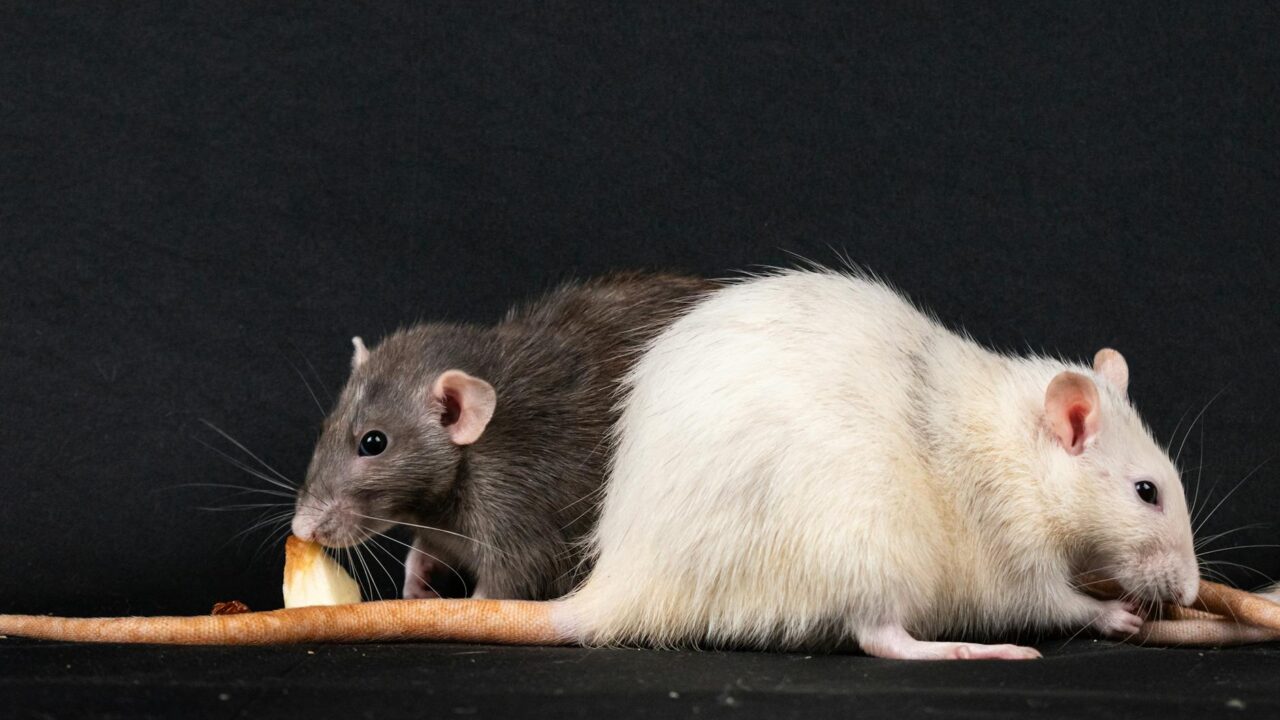
The fastest way to tell them apart is by size and a few physical features:
| Feature | Rat | Mouse |
|---|---|---|
| Body size | Larger, heavier (palm-sized or more) | Small, slender |
| Head & snout | Blunter, larger head | Small, pointed snout |
| Ears & eyes | Smaller relative to head | Large relative to head |
| Tail | Thick, often shorter than body | Thin, long relative to body |
| Droppings | Larger, spindle-shaped (about a date seed) | Small, rice-grain sized |
If the droppings are large and the animal is clearly hefty with a thick tail, it’s likely a rat. Small, slender rodents with rice-grain droppings point to a mouse.
Differences in behaviour
Behaviour also differs and affects control:
- Caution: Rats tend to be wary of new objects, so they may avoid a freshly placed trap at first. Mice are more curious and explore readily, often nibbling at many spots.
- Range: Rats roam more widely; mice usually stay close to their nest and food.
- Strength: Rats can gnaw through tougher materials and squeeze through gaps; mice exploit very small openings.
- Signs: Rats leave louder scratching and bigger gnaw marks; mice leave finer, more scattered evidence.
Understanding the rat vs mouse behaviour helps explain why a strategy that works for one may not work for the other.
Why the difference changes the control approach
It matters because:
- Trap and bait choice differs. Mouse traps and bait stations are sized for mice; rats need larger, sturdier equipment.
- Placement differs. Rats follow walls and established routes and may need a few days before approaching traps; mice are easier to draw in but are spread across more spots.
- Proofing differs. Both squeeze through gaps, but the sizes you need to seal differ — mice fit through surprisingly tiny openings.
Using the wrong setup is a common reason DIY attempts fail — for example, mouse-sized traps for a rat problem. For identification and step-by-step control, see our guide on how to get rid of rats and mice in Singapore.
What to do once you’ve identified it
Whichever you have, the basics overlap:
- Remove food and water — sealed containers, no crumbs, fix leaks.
- Seal entry points sized to the rodent — gnaw-resistant materials around pipes, vents and gaps.
- Declutter to remove nesting spots.
- Set the right traps — correctly sized and placed along walls.
- Stay consistent and monitor for ongoing activity.
When to call a professional
DIY can handle a single mouse or an early, minor problem. But call a professional if:
- You’re finding droppings or gnaw marks regularly
- You hear rodents in the ceiling or walls
- The problem keeps returning despite traps
- You run a food business where any rodent presence is unacceptable
A professional can confirm whether it’s a rat or mouse, find entry points and harbourage, and apply the right control programme. For a persistent or growing problem, professional rodent control in Singapore is the dependable way to clear it and keep it out.
Which is more common in Singapore homes?
Both turn up in Singapore, but rats are the more frequently reported household and commercial pest, often linked to shared drains, bin areas and the connected environment of HDB blocks and food premises. Mice are smaller and can slip through tinier gaps, so they sometimes go unnoticed for longer.
Whichever you suspect, the same principle applies: identify correctly before you act, because the wrong-sized trap or bait station is a common reason DIY attempts fail. If you only ever see droppings and never the animal itself, their size is your best clue — date-seed-sized points to rats, rice-grain-sized to mice. When you’re genuinely unsure in the rat vs mouse question, a quick professional check removes the guesswork and gets you straight to the right control method.
Common Mistakes When Identifying Rodents
A few errors trip up homeowners and lead to wasted effort:
- Assuming a small rodent is a mouse. A juvenile rat looks much like a mouse but has a larger head and feet relative to its body — set rat-sized equipment if there’s any doubt.
- Judging by a sighting alone. You rarely get a clear look. Droppings, gnaw marks and greasy rub trails are more reliable evidence than a fleeting glimpse.
- Using one trap and giving up. Rats are wary of new objects and may ignore a trap for days. Pre-baiting an unset trap first often improves your success.
- Treating the symptom, not the source. Whether it’s a rat or a mouse, sealing entry points and removing food matters more than the trap itself.
Get the identification right and the rest of your plan — equipment size, bait, placement and proofing — falls into place. For the wider risks and why prompt action matters, see whether rats are dangerous and the diseases they carry.
Frequently asked questions
Can rats and mice live in the same home at once?
I only ever see droppings, never the animal — how do I tell?
Is a mouse problem easier to fix than a rat problem?
Do I need different bait for each?
Related guides
- How to keep rats away from your home
- Rats in the ceiling: what to do
- Signs of rats in your house
- Rat infestation in Singapore
- Are rats dangerous? Diseases to know
*Not sure if it’s a rat vs mouse — or how to clear it? Contact Insect Out for a free assessment and the right rodent control for your home.*