How to Get Rid of Springtails (Singapore)
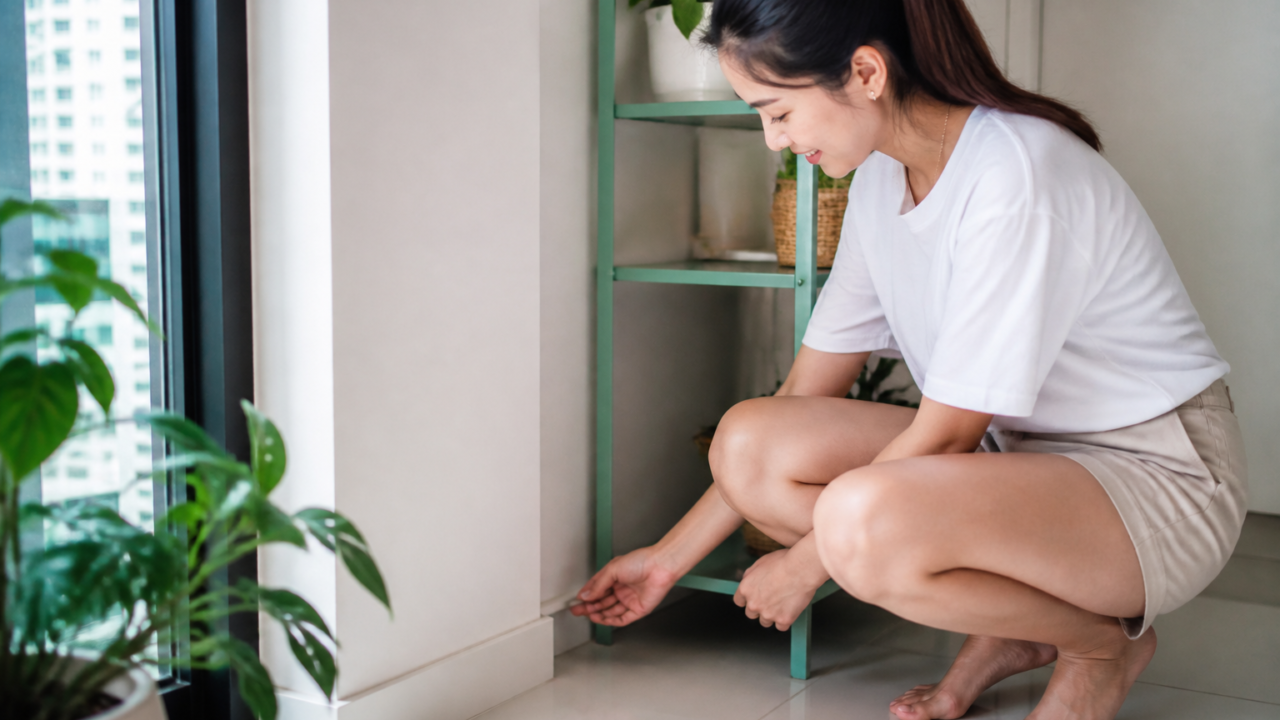
Notice a scatter of tiny specks on a damp bathroom floor or the top of a plant pot that suddenly hop away when disturbed? Those are springtails. They’re harmless — they don’t bite, sting or damage your home — but they’re a clear sign of excess moisture. Here’s how to get rid of springtails and, more importantly, fix the dampness that brought them in.
What springtails are
Springtails are minuscule (1–2mm), wingless creatures, usually white, grey or dark. Their name comes from a tail-like structure (the furcula) they release to “spring” away when threatened — which is why they seem to jump. They feed on mould, algae, fungi and decaying organic matter, not on you or your furniture.
Crucially, springtails are an indicator pest: where you find them, you’ll find damp and often a bit of mould.
Why springtails appear in Singapore homes
Our consistently high humidity makes springtails common. They cluster wherever moisture and organic matter meet:
- Bathrooms and kitchens with poor ventilation
- Plant pots and saucers with constantly wet soil
- Around sinks, drains and leaking pipes
- Damp corners, skirting and window tracks prone to condensation
- Balconies and service yards after rain
A sudden indoor swarm usually points to a damp problem nearby — a leak, blocked drainage, or overwatered plants.
How to get rid of springtails
Because they live and breed in damp, drying things out is the real solution. Sprays only treat the symptom.
- Find and fix the moisture. Check for leaks under sinks, condensation, overwatered pots and poor drainage. This is the step that actually solves it.
- Dry the area out. Improve ventilation, run a fan or dehumidifier, and let damp surfaces dry fully. Springtails can’t survive without moisture.
- Remove standing water. Empty plant saucers, clear blocked floor drains, and wipe down wet tracks and corners.
- Let plant soil dry between waterings. Overwatered pots are one of the most common indoor sources.
- Clear away mould and algae, their food source, with a household cleaner.
- Vacuum or wipe up the visible ones — a damp cloth or vacuum removes them quickly. No insecticide needed for the clean-up.
DIY plan at a glance
| Step | Why it matters |
|---|---|
| Fix leaks/condensation | Removes the root cause |
| Ventilate + dehumidify | Makes the area unliveable for them |
| Dry plant soil | Cuts the most common indoor source |
| Remove mould/algae | Removes their food |
| Wipe/vacuum survivors | Clears the visible scatter |
Most springtail problems clear within days once the area dries out — no chemicals required.
Keep springtails from returning
- Manage humidity with good airflow and, in stubborn spots, a dehumidifier.
- Use well-draining potting mix and water plants only when the topsoil is dry.
- Seal gaps around pipes, skirting and window tracks where damp collects.
- Fix small leaks promptly before mould and springtails establish.
- Keep bathrooms and kitchens dry after use.
If springtails are getting in from outside through windows or sliding doors after rain, fine-mesh window insect screens and sliding door insect screens help keep them — and many other small pests — out while letting air through.
Common mistakes when tackling springtails
People often reach for the wrong tool because springtails look like they need spraying:
- Spraying insecticide everywhere. Springtails live and breed in damp, so a chemical kills the visible ones while the source stays wet and reseeds within days. Drying out is the real fix.
- Wiping up the swarm but ignoring the leak. The scatter you see is a symptom. If a pipe, blocked drain or overwatered pot stays damp, they simply return.
- Overwatering plants out of habit. Constantly wet potting soil is the single most common indoor source. Let the topsoil dry between waterings.
- Leaving mould and algae in place. That’s their food. Clearing it with a household cleaner removes both the food and the damp it signals.
The Singapore humidity angle
Springtails are so common here precisely because our air is humid all year, with no dry season to reset things. A poorly ventilated bathroom, a service yard that stays wet, or a shady balcony corner after rain can all hold enough moisture to support them. Good airflow does most of the work: run the bathroom fan, open up stale corners, and in stubborn spots a dehumidifier tips the balance against them quickly. Because they often arrive through windows and sliding doors after a downpour, pairing moisture control with fine mesh on your openings keeps the next batch outside. If you also spot other small damp-loving crawlers like silverfish or booklice, the same fix — dry it out — usually clears them too.
When to call a professional
Springtails themselves almost never need professional pest control — fix the damp and they go. But if you have a persistent indoor swarm you can’t trace, it usually means there’s a hidden moisture problem (or a related pest issue) worth investigating. A leak behind a wall, under a floor or inside a service-yard cabinet can feed a springtail population for months while staying out of sight, and that hidden damp can also encourage mould and other pests over time. Professional pest control in Singapore can help identify the source and rule out anything more serious, and a contractor may be needed if the moisture turns out to be a plumbing or waterproofing fault rather than simple condensation.
If you’re also seeing other damp-loving crawlers indoors, our guides to getting rid of house centipedes and millipedes cover them.
Are springtails harmful?
It’s worth saying plainly: springtails are not dangerous. They don’t bite or sting people or pets, they don’t carry disease, and they don’t damage furniture, wood or fabric. They’re sometimes mistaken for fleas because of the way they jump, but fleas bite and springtails don’t. The only real “problem” springtails cause is the alarm of seeing a swarm — and the message they carry, which is that somewhere nearby is too damp. Treat them as a helpful early warning rather than a threat, fix the moisture, and they disappear.
Related guides
- How to get rid of house centipedes
- How to get rid of millipedes
- How to get rid of silverfish
- Booklice in Singapore: what they are
- How to get rid of fungus gnats
- How to keep insects out of the house
*Springtails signalling a damp problem? Get a free pest-control quote and get to the root of it.*