Natural Cockroach Repellents: What Works and What Doesn’t
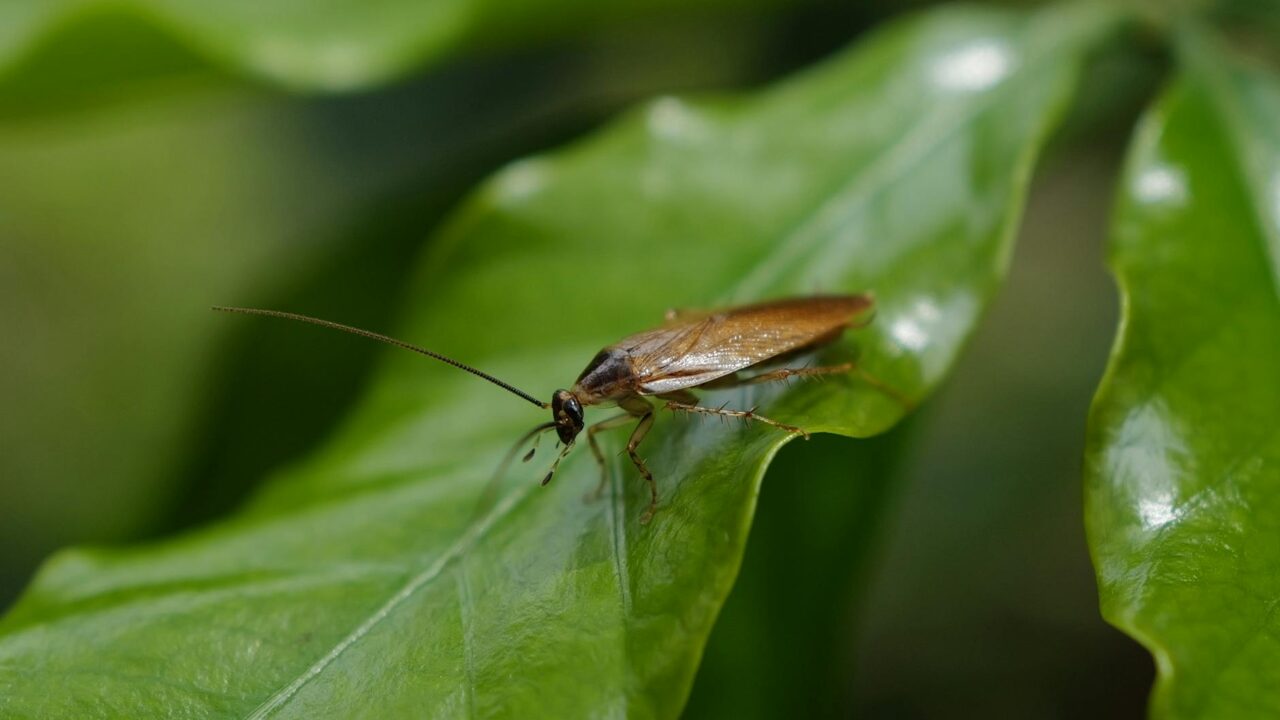
Search online and you’ll find dozens of home remedies — pandan leaves, peppermint oil, bay leaves, cucumber. But does any natural cockroach repellent actually keep roaches out of a Singapore home? Here’s an honest, no-hype look at what the popular options can and can’t do, and what to rely on instead.
What a “repellent” can and can’t do
It helps to be clear about the difference. A repellent may *discourage* roaches from an area for a while. It does not *kill* them, reach the nest, or stop a population from growing. In a humid Singapore home with plenty of food, water and shared drains, simply nudging roaches to a different corner doesn’t solve the problem.
So even the natural cockroach repellent options that have some effect are, at best, a minor supporting measure — not a treatment.
Popular natural repellents, honestly assessed
| Remedy | What people claim | Honest take |
|---|---|---|
| Pandan leaves | Smell drives roaches away | At most a mild, short-lived deterrent; dries out fast |
| Peppermint / essential oils | Strong scent repels | Some short-term repellent effect at high concentration; doesn’t kill or last |
| Bay leaves | Scent keeps roaches out | Little reliable effect |
| Cucumber peel | Repels roaches | No meaningful effect |
| Vinegar | Repels and cleans | Cleans surfaces (removes food traces) but isn’t a repellent |
| Catnip | Contains repellent compound | Some lab interest, but impractical and unreliable at home |
The pattern is consistent: pleasant-smelling items may keep roaches off a small spot briefly, but the effect fades and never addresses the source.
Natural options that genuinely help (with limits)
A few natural-leaning products do more than mask the problem:
- Diatomaceous earth (food grade): a fine powder that damages an insect’s outer layer. It can kill roaches that walk through it. Apply thin layers in dry cracks and behind appliances — it’s useless when damp, which limits it in humid kitchens and bathrooms.
- Boric acid: an older, effective option that roaches ingest while grooming. It works but must be used carefully and kept away from food, children and pets.
These are slower and messier than people expect, and still won’t reach a hidden German cockroach population on their own.
What actually keeps roaches away
If you want lasting results, focus on removing what attracts them — this matters far more than any repellent:
- Cut off food and water — sealed containers, no overnight dishes, fix leaks.
- Clean grease and crumbs in hidden spots like behind the stove.
- Seal entry points around pipes, drains and doors.
- Declutter, especially cardboard.
- Use proper bait rather than scent remedies — gel baits are designed to be carried back to the nest.
For the full step-by-step, see our guide on how to get rid of cockroaches in Singapore.
When natural methods aren’t enough
If you’re seeing roaches in daylight, finding droppings or egg cases, or the problem keeps returning, you’re past the point a natural cockroach repellent can help. American cockroaches often come up from shared drains, and German cockroaches breed quickly in cabinets and appliances — both need targeted treatment at the source.
A professional can identify the species, find the harbourage and apply baits and treatments that reach where they live. For a persistent or growing problem, professional cockroach control in Singapore is far more reliable than home remedies.
Where natural methods fit in your routine
None of this means natural approaches are useless — just that you should use them for what they’re good at. Cleaning with vinegar to remove food traces and erase the scent that draws roaches is genuinely worthwhile. Keeping pleasant-smelling deterrents around won’t hurt, even if the effect is small.
The mistake is relying on a natural cockroach repellent as your *only* line of defence and assuming the problem is handled. Think of these methods as supporting good sanitation and sealing, not replacing proper baiting or treatment. Used that way, alongside the prevention habits above, they’re a sensible part of a roach-free home — they simply can’t do the heavy lifting on their own.
A more reliable kind of prevention
The most dependable “natural” approach isn’t a scent at all — it’s denying roaches entry in the first place. Sealing gaps and fitting window insect screens physically keeps roaches and other insects out without any chemicals or oils, which is exactly what people hoping for a natural solution usually want. Combined with good sanitation, that does far more than pandan leaves or peppermint ever could.
Frequently asked questions
Does peppermint oil really repel cockroaches?
Is diatomaceous earth safe to use at home?
What’s the most effective natural step I can take?
Do bay leaves or cucumber peel keep cockroaches out?
Is boric acid a “natural” option?
Related guides
- Why do I have cockroaches?
- How to keep cockroaches away
- Signs of a cockroach infestation
- Boric acid for cockroaches
- Best cockroach killer in Singapore
- Window insect screens
*Tried the home remedies and still seeing roaches? Contact Insect Out for a free assessment and a treatment that actually reaches the source.*