Signs of a Cockroach Infestation (and What to Do)
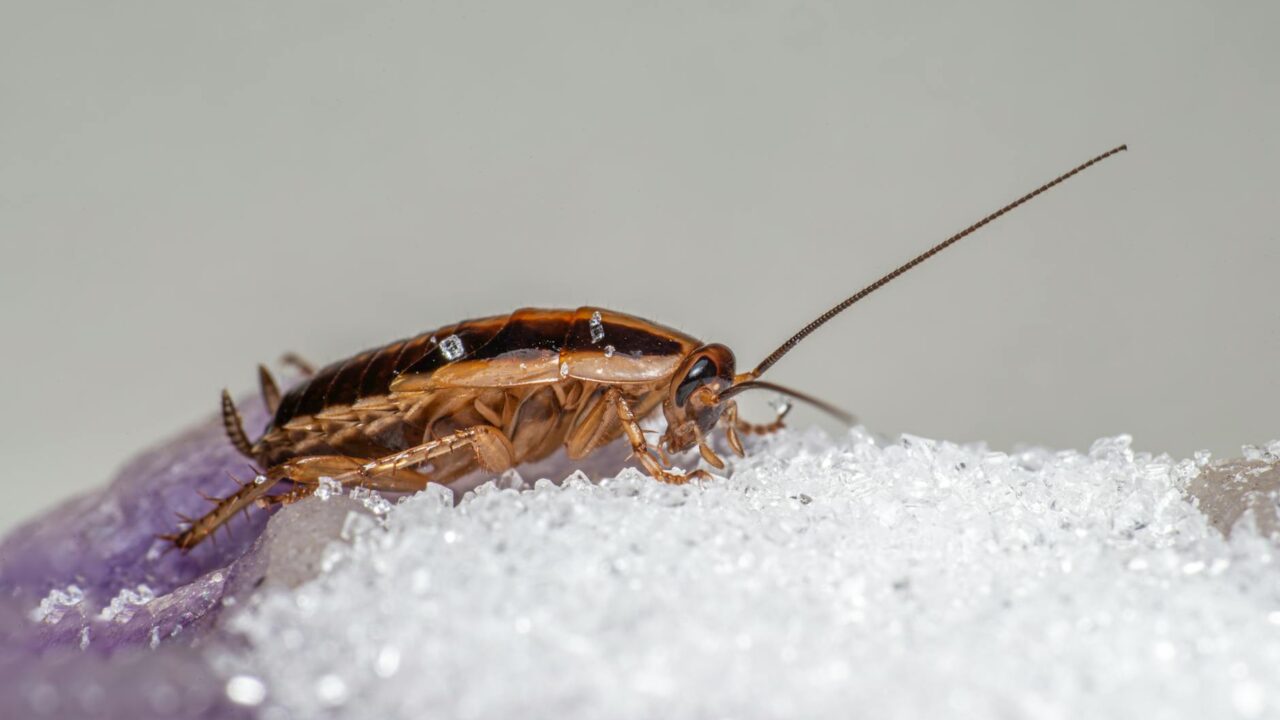
Spotting one roach doesn’t always mean trouble — but it can be the first hint of a cockroach infestation building out of sight. In Singapore’s warm, humid homes, roaches breed fast and hide well, so knowing the early signs lets you act before a stray becomes a serious problem. Here’s how to tell the difference and what to do at each stage.
One roach vs an infestation
A single roach — especially a large brown American cockroach — may simply have wandered in from a drain, the rubbish chute or a neighbouring unit. That’s common in HDB blocks and condos and doesn’t necessarily mean you have a colony indoors.
A cockroach infestation is different: it means roaches are living and breeding inside your home. The signs below point to that, particularly when you see several together.
The key signs to look for
Check kitchens, bathrooms, under sinks, behind appliances and inside cabinets — roaches like warm, dark, damp spots near food and water.
- Droppings: Small dark specks like ground coffee or black pepper (from small roaches), or larger cylindrical droppings (from big ones). Often found in drawers, cabinet corners and along skirting.
- Egg cases (oothecae): Small brown, capsule-shaped cases, sometimes empty. A sure sign of breeding indoors.
- Shed skins: Roaches moult as they grow, leaving behind pale cast skins.
- A musty, oily smell: A persistent stale odour can indicate a larger population.
- Smear marks: In damp areas, roaches can leave dark smear marks where they travel.
- Daytime sightings: Roaches are mostly nocturnal. Seeing them in daylight often means the population is large enough that they’re competing for space.
The more of these you find — and the more you see at once — the more likely you have an established cockroach infestation rather than a one-off visitor.
Where to check in a Singapore home
Focus your inspection on:
- Kitchen: behind and under the fridge, oven and microwave; inside cabinets; around the sink and bin.
- Bathroom: under the sink, around floor traps and pipe openings.
- Storerooms and clutter: cardboard boxes, paper stacks and rarely-moved items.
- Drains and chutes: entry points where roaches come up from shared lines.
What to do at the first signs
If you catch it early, act promptly:
- Remove food and water sources — sealed containers, no overnight dishes, fix leaks.
- Deep clean hidden grease and crumbs, especially in the kitchen.
- Seal entry points around pipes, drains and doors.
- Use gel bait rather than just spray, so roaches carry it back to the nest.
- Declutter, particularly cardboard.
For a complete routine, see our guide on how to get rid of cockroaches in Singapore.
When to call a professional
DIY can handle a very early or minor problem. But you should call in help if you see:
- Roaches in daylight
- Egg cases or shed skins
- Droppings in multiple rooms
- The same problem returning after treatment
German cockroaches in particular breed quickly and hide deep in appliances and cabinets, where sprays rarely reach. A professional can confirm the species, locate the harbourage and treat the source directly. For a confirmed or recurring cockroach infestation, professional cockroach control in Singapore gives you the best chance of clearing it for good.
How fast can a cockroach problem grow?
Quicker than most people expect, which is why early action matters. A single German cockroach female can produce egg cases holding dozens of young, and in Singapore’s warm, humid conditions those young mature and breed in a matter of weeks. That’s how a couple of roaches behind the fridge can become a serious cockroach infestation over a month or two.
This compounding growth is the reason a few early signs shouldn’t be brushed off. Catching the problem when you’ve only found one or two indicators — say, a little droppings and a single egg case — makes treatment far easier and cheaper than waiting until roaches are visible in daylight across several rooms. If you’re unsure how far along your problem is, an inspection settles it quickly.
Telling the species from the signs
The signs you find can hint at which roach you’re dealing with, and that shapes how you treat it. Small, light-brown roaches with droppings like ground pepper, found around the kitchen and inside cabinets, usually mean German cockroaches — fast breeders that demand gel baiting at the source. Large brown roaches with bigger, cylindrical droppings, often seen near drains, the chute or bathrooms, point to American cockroaches travelling up from shared lines. Knowing the difference helps you target treatment; our guide to the types of cockroaches in Singapore breaks down both.
Frequently asked questions
Is one cockroach a sign of an infestation?
What do cockroach egg cases look like?
Why do I only see roaches at night?
Where should I look first if I suspect an infestation?
How fast can a cockroach problem grow?
Related guides
- Why do I have cockroaches?
- How to keep cockroaches away
- Natural cockroach repellents: what works
- Types of cockroaches in Singapore
- How to get rid of cockroach eggs
*Seeing more than one sign on this list? Contact Insect Out for a free assessment and a targeted treatment plan.*