Why Do I Have Cockroaches? Common Causes in Singapore Homes
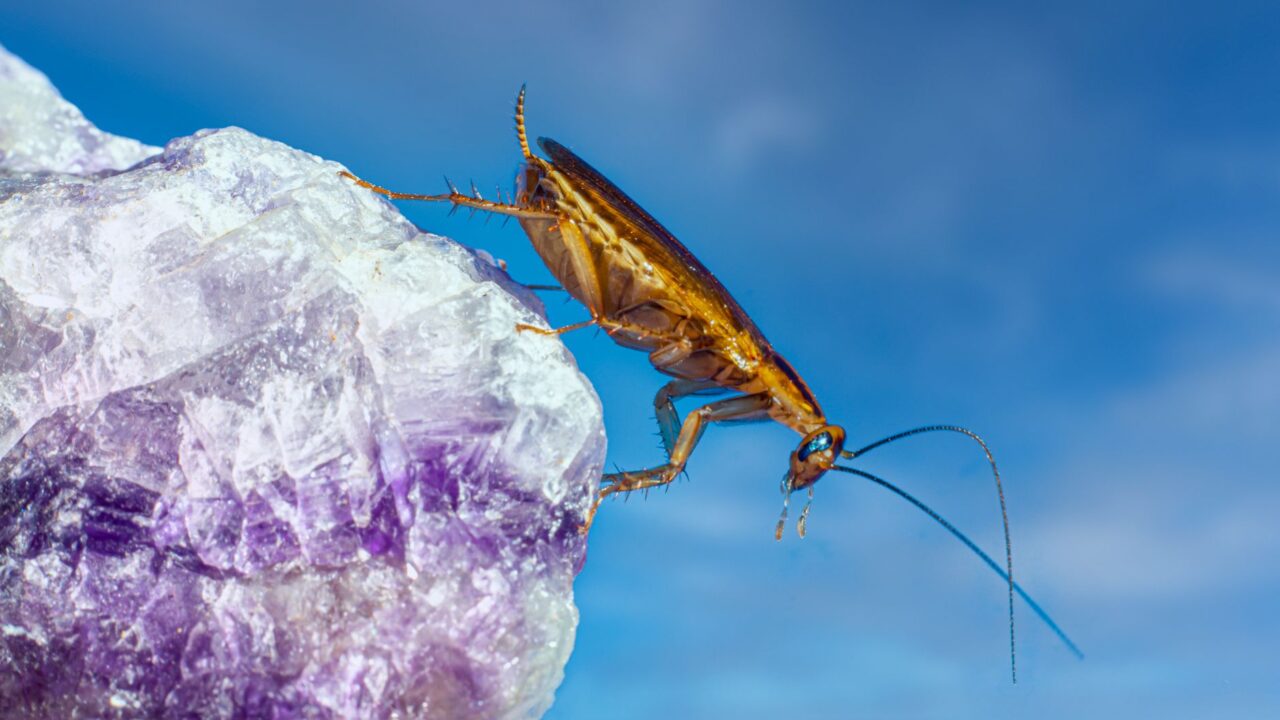
If you keep a tidy home and still spot roaches at night, you’re probably asking *why do I have cockroaches at all?* It’s a common and frustrating question in Singapore, where warm, humid conditions suit these pests year-round. The honest answer: cockroaches follow food, water and shelter — and in dense HDB blocks and condos, they don’t need an invitation.
Here are the real reasons cockroaches appear, and what to remove so they don’t keep coming back.
They’re drawn to food and water — even tiny amounts
Cockroaches survive on crumbs, grease films, pet food, rubbish and standing water. A spotless-looking kitchen can still offer plenty:
- Grease behind the stove or under appliances
- Crumbs in cracks, drawers and along skirting
- Pet bowls left out overnight
- A damp dish sponge or a slow-draining sink
- Rubbish bins without tight lids
German cockroaches in particular can build a population around a single leaky pipe or a warm fridge motor. So if you’re wondering why do I have cockroaches despite cleaning, look for hidden moisture and food sources, not just visible mess.
In Singapore, they often come from outside your unit
This is the part most people miss. Even a flawless home can get roaches from shared spaces:
- Common drains and rubbish chutes in HDB blocks
- Sewer and drainage lines that connect units
- Neighbouring units with an existing problem
- Deliveries and groceries — cartons and egg trays can carry egg cases
American cockroaches (the large brown ones) usually travel up from drains, manholes and the chute. German cockroaches (small, light brown) more often hitchhike in via bags, electronics or second-hand items. Knowing which one you have helps explain how they got in.
Cracks and gaps give them a way in
Cockroaches are flat and can squeeze through surprisingly small openings. Typical entry points in local homes include:
- Gaps around pipes under the sink and behind the toilet
- Unsealed drain outlets and floor traps
- Gaps under doors and around windows
- Cracks in tiling, skirting and wall joints
- Air-con condensate pipe openings
Sealing these won’t fix an established infestation on its own, but it slows new arrivals and is a key part of long-term control.
Humidity and clutter make your home comfortable
Singapore’s climate already favours roaches. Add clutter and you give them somewhere to hide and breed:
- Stacks of cardboard, paper and plastic bags
- Cluttered storerooms and under-sink cabinets
- Bathrooms and kitchens that stay damp
Cardboard is a favourite — it’s warm, holds moisture and is easy to hide in. Clearing clutter removes harbourage and makes any problem easier to spot and treat.
How to remove what’s attracting them
Work through the attractants in order:
- Cut off food. Store food in sealed containers, clear crumbs daily, and don’t leave pet food or dirty dishes out overnight.
- Fix the water. Repair leaks, dry sinks at night, and keep floor traps clean.
- Seal entry points. Close gaps around pipes, drains and doors.
- Declutter. Recycle cardboard quickly and tidy storage areas.
- Empty bins with tight-fitting lids, and rinse recyclables.
For a fuller routine, see our guide on how to get rid of cockroaches in Singapore, which covers baiting and treatment steps in detail.
When it’s time to call a professional
DIY habits handle the occasional stray roach. But you likely need help if you see roaches in daylight, find egg cases (small brown capsules) or droppings (like black pepper or coffee grounds), or notice a musty smell — all signs of an established population. German cockroaches breed fast and hide deep in cabinets and appliances, so over-the-counter sprays often miss the source.
A trained technician can identify the species, find the harbourage and use targeted gel baits and treatments that reach where they live. If the problem keeps returning, professional cockroach control in Singapore is the most reliable way to break the cycle — especially when the source is a shared drain or a neighbouring unit.
Does keeping a clean home guarantee no roaches?
Not entirely, and it’s worth being realistic about this. Cleaning removes the food and water that let a population thrive, which is genuinely important. But in a high-rise Singapore home, roaches can still arrive from outside your unit — up a shared drain stack, through the chute, or from a neighbour — no matter how spotless your kitchen is.
So the honest goal isn’t a guarantee, but making your home an unattractive, hard-to-enter place to live. A clean, dry, well-sealed home combined with regular checks gives you the best odds of staying roach-free. If they still keep appearing despite your best efforts, that usually points to a source beyond your control, where a professional inspection helps most.
Keep them from coming back
Once you’ve removed the attractants, the last piece is making it physically harder for roaches to get in. Open windows are a common route on every floor — American cockroaches can fly short distances and drift up from the void deck or a neighbour’s ledge. Fitting window insect screens lets you keep windows open for airflow while blocking roaches and mosquitoes, a no-spray layer that suits Singapore’s climate. Pair that with sealed gaps and a tidy, dry kitchen and you remove most of the reasons roaches choose your unit over another.
Frequently asked questions
Why do I have cockroaches in a high-rise flat?
Why do I keep seeing one cockroach at a time?
Does a clean kitchen mean I won’t get roaches?
Related guides
- Signs of a cockroach infestation
- How to keep cockroaches away
- Natural cockroach repellents: what works
- Types of cockroaches in Singapore
- How to get rid of cockroach eggs
- Window insect screens
*Still finding roaches no matter what you try? Contact Insect Out for a free assessment and a targeted treatment plan.*