Home Pest Control in Singapore: A Complete Guide
Whether it’s cockroaches in the kitchen, ants on the trail or a suspected termite problem, most Singapore households deal with pests at some point. Knowing how home pest control in Singapore actually works — what’s covered, the difference between one-off and regular treatment, and how to pick a good provider — helps you make the right call instead of guessing. This complete guide walks you through it.
What Home Pest Control Covers
Professional home pest control in Singapore typically addresses the common household pests:
- Cockroaches (German and American)
- Ants of various species
- Termites (subterranean and drywood)
- Rodents (rats and mice)
- Bed bugs
- Mosquitoes and breeding sources
- Fleas, fleas and stored-product pests in some plans
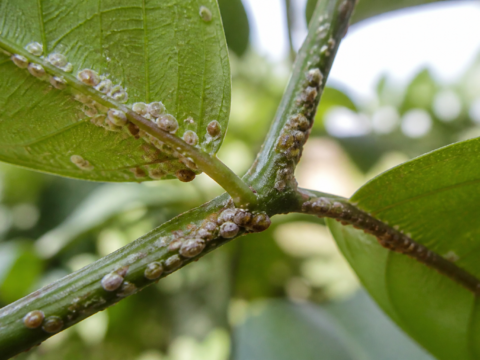
A treatment usually starts with an inspection to identify the species, find the source or harbourage, and assess how far it’s spread — because the right treatment depends on getting this right.
One-Off vs Regular Treatment
A common question is whether you need a single visit or an ongoing contract.
| Best for | A specific, identified problem | Ongoing prevention |
|---|---|---|
| Example | Bed bug treatment, termite job | Quarterly general pest service |
| Pros | Lower upfront cost | Catches problems early, deters return |
| Cons | No follow-up protection | Ongoing commitment |
One-off treatment suits a clear, contained issue — say, clearing a roach problem or a bed bug infestation. A regular plan suits homes that want continuous prevention, landed properties with more entry points, or anyone who’s had recurring problems.
What Treatment Typically Involves
Approaches vary by pest, but common methods include:
- Gel baiting for cockroaches and ants — discreet and effective.
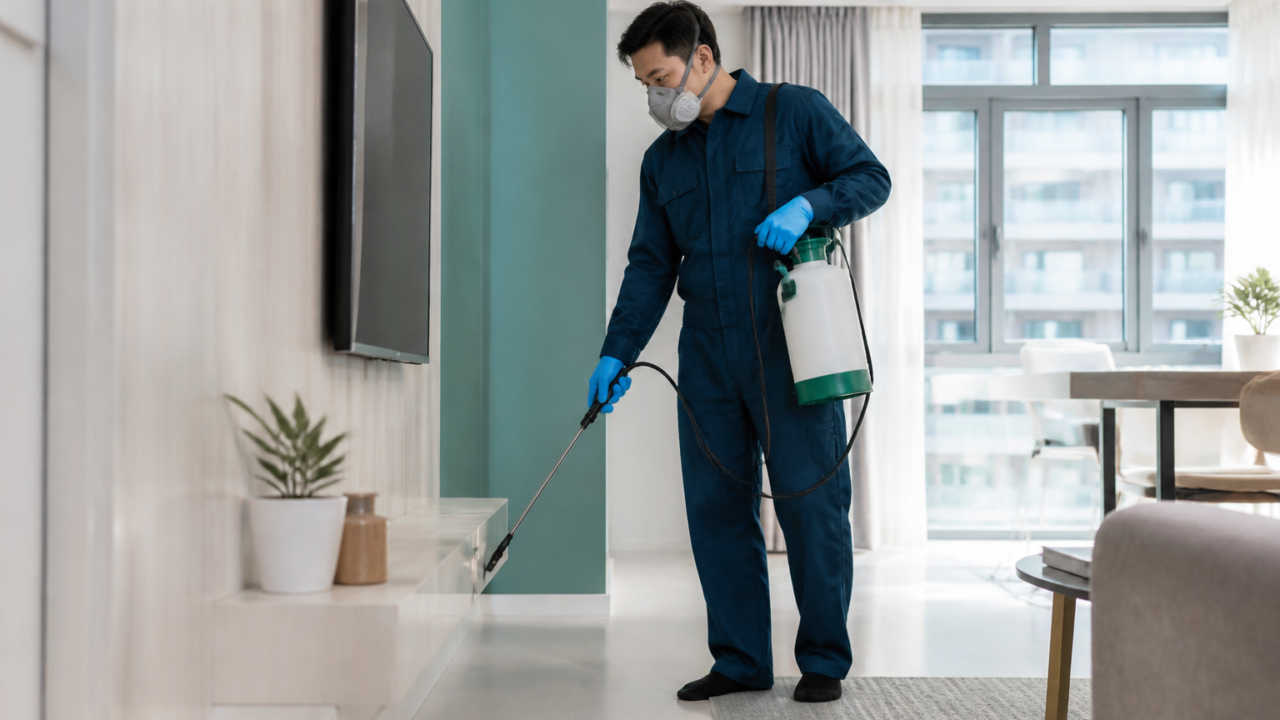
- Residual spraying along skirting, entry points and harbourages.
- Termite baiting or soil treatment for colonies — see our guide on anti-termite treatment.
- Heat or chemical treatment for bed bugs.
- Trapping and proofing for rodents.
- Larviciding and source reduction for mosquitoes.
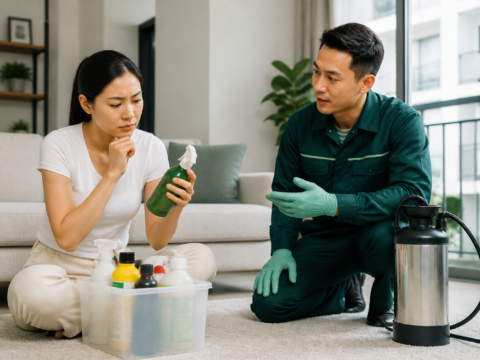
A good provider explains what they’re using, why, and what you need to do before and after (like clearing cabinets or staying out of a room while it dries).
What It Costs (and Why It Varies)
Honest answer: prices in SGD vary widely by pest, property size and severity, so be wary of anyone quoting a flat figure sight-unseen. A bed bug or termite job costs more than a general spray; a landed home costs more than a one-room HDB treatment. Always ask for an inspection and a written quote rather than committing over the phone.
Beware suspiciously cheap quotes — under-treating a termite or bed bug problem often means paying twice.
How to Choose a Provider
Look for:
- A proper inspection before quoting — not a generic price.
- NEA-registered operators and products where applicable.
- Clear scope: what’s treated, how many visits, any warranty.
- Honest expectations: good firms don’t promise to “eliminate forever” in one visit.
- Aftercare advice on prevention, not just a one-time spray.
A provider that helps you prevent recurrence — not just treats and leaves — gives better long-term value.
How to Prepare for a Treatment
A little preparation makes treatment safer and more effective, and most good providers will brief you beforehand. Typically you may be asked to:
- Clear out kitchen cabinets or wardrobes so technicians can reach harbourages.
- Move or cover food, utensils and pet bowls.
- Keep pets and family out of treated rooms until surfaces are dry.
- For bed bug jobs, wash and bag bedding and clothing as directed.
Following these steps helps the treatment reach where pests hide and reduces any exposure for your household.
DIY vs Professional: Where the Line Is
Plenty of minor pest issues are fine to handle yourself — a few ants, fruit flies, the occasional stray roach. Bring in professional help when:
- Pests appear in numbers or in daylight.
- You see signs of termites, bed bugs or rodents.
- DIY efforts keep failing and the problem returns.
- The pest poses a health or structural risk.
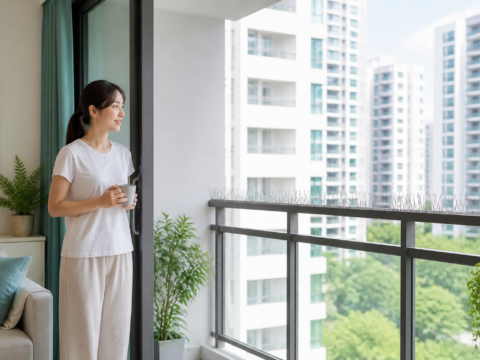
The most cost-effective approach combines prevention with professional treatment when needed. Physical barriers like our window insect screens keep flying insects out and reduce reliance on chemicals, while our pest control in Singapore service handles infestations that DIY can’t.
Prevention is cheaper than treatment
The most cost-effective households treat problems when needed but lean on prevention the rest of the time. Keep kitchens clean and dry, seal entry points, manage rubbish, and fit physical barriers like window insect screens to keep flying insects out without chemicals. Staying alert to early signs — and knowing how to choose a pest control company in Singapore before you need one — saves money and stress when a problem does arise.
Frequently asked questions
How often should I do home pest control?
Is professional pest control safe for children and pets?
How much does pest control cost in Singapore?
How do I prepare for a treatment?
Related guides
- What does pest control include?
- One-time vs contract pest control
- Pest control prices in Singapore
- How to choose a pest control company
- DIY vs professional pest control
- How to pest-proof a new home
*Facing a pest problem at home? Get a free, no-obligation home pest control assessment via our contact page.*