Anti-Termite Treatment Explained (Singapore)
If you’ve found termites — or want to protect your home before you do — the options can be confusing. Soil treatment, baiting, wood treatment: what’s the difference, and which do you actually need? This guide explains how anti termite treatment works in Singapore, in plain terms, so you can understand what a professional is recommending and why.
What anti-termite treatment is trying to achieve
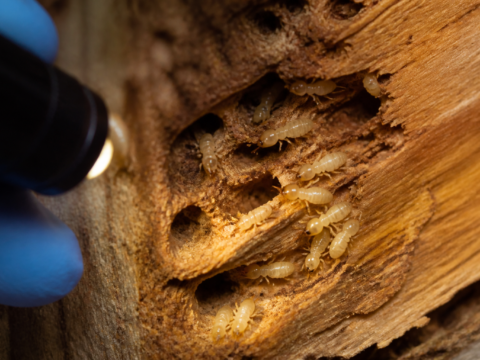
The goal of any anti termite treatment is to either eliminate an existing colony or create a protective barrier so termites can’t reach and damage your home’s timber. Since subterranean termites — the most common and destructive type in Singapore — live in the soil and attack from the ground up, most treatments focus on the soil and the colony, not just visible wood.
The right method depends on the termite type, the construction of your home, and whether you’re treating an active infestation or preventing one.
Soil treatment (chemical barrier)
Soil treatment, sometimes called a chemical soil barrier, involves applying a termiticide to the soil around and under a structure. It works by:
- Creating a treated zone termites can’t cross to reach the building, or
- Using non-repellent products that termites pass through and carry back, affecting the colony.
It’s a common approach for both prevention (often done during construction, known as pre-construction treatment) and for treating existing subterranean activity in landed homes. For occupied homes, it can involve drilling and injecting at intervals around the structure.
Termite baiting systems
Baiting takes a different route. Bait stations containing a slow-acting substance are placed in the ground around the property. Foraging termites feed on the bait and carry it back to the nest, gradually affecting the whole colony, including the queen.
Baiting is valued because it:
- Targets the colony rather than just blocking it
- Uses small amounts of active ingredient
- Allows ongoing monitoring of termite activity
It’s often used where soil treatment is impractical, or alongside it for long-term management. It does take time to work, since it relies on the termites’ own foraging.
Wood treatment
Wood treatment applies products directly to timber to protect it or deal with termites inside it. It’s most relevant for:
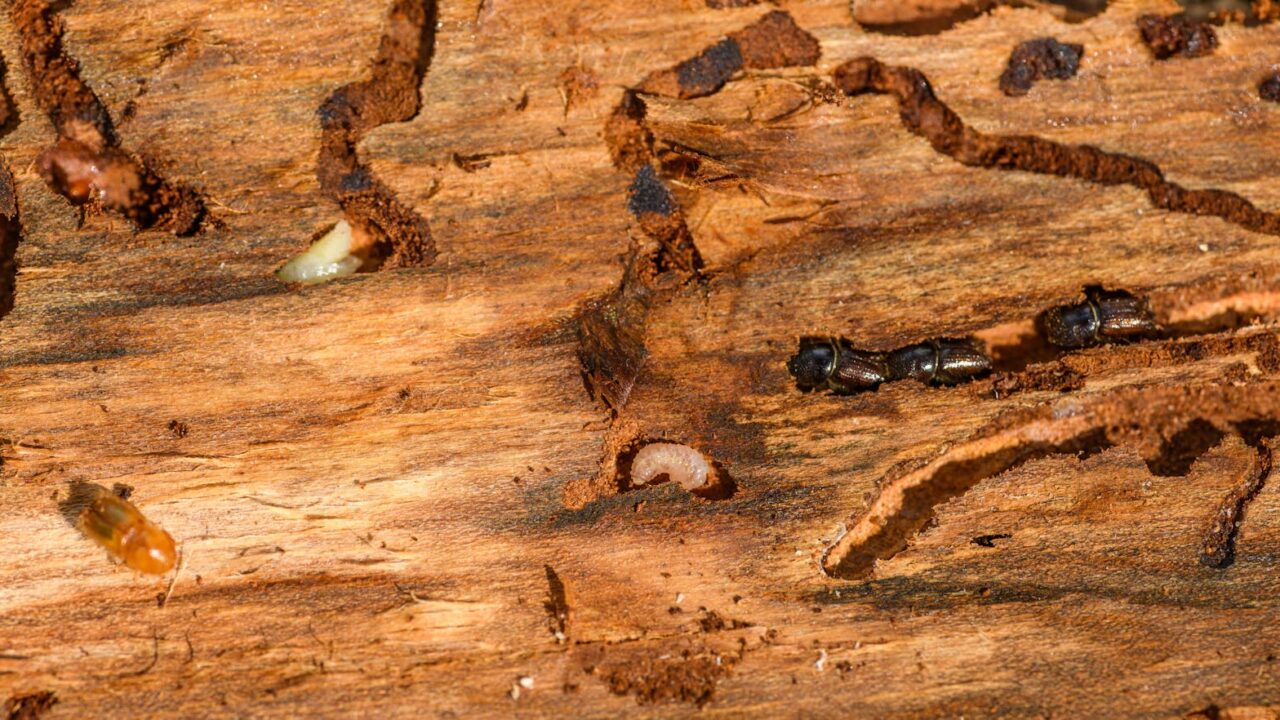
- Drywood termites, which live inside the wood itself
- Protecting or treating specific timber items, frames or beams
For subterranean colonies in the soil, wood treatment alone usually isn’t enough — it doesn’t reach the underground nest.
Which approach suits your home?
A quick comparison:
| Method | Best for | Notes |
|---|---|---|
| Soil treatment | Subterranean termites; prevention | Creates a barrier; often used pre-construction |
| Baiting | Subterranean colonies; monitoring | Targets the colony; works gradually |
| Wood treatment | Drywood termites; specific timber | Treats the wood directly |
In practice, the choice depends on the termite species, your property type (HDB, condo or landed) and whether you’re preventing or treating. Often a professional combines methods. The most important step is correct identification first — see our overview of termite control in Singapore for how species shapes the plan.
Why this isn’t a DIY job
Anti termite treatment involves regulated products, precise application and a correct diagnosis of the termite type and colony location. Done wrong, it can leave the colony active while you believe the problem is solved — and termite damage keeps building quietly.
A licensed professional can inspect, identify the species, recommend the right anti termite treatment and apply it safely and effectively. Given how costly termite damage can be, professional termite control in Singapore is the dependable route — whether you’re protecting a new home or dealing with an active infestation.
How long does anti-termite treatment last?
It depends on the method and the products used, and a good provider will explain the expected protection period rather than promising a permanent fix. Soil barriers gradually break down over years and may need refreshing; baiting systems are usually monitored and maintained on an ongoing basis so they keep working over time.
The honest framing is that anti termite treatment is about long-term management and protection, not a one-and-done event. Pairing treatment with sensible prevention — controlling moisture, removing timber-to-soil contact and watching for early signs — makes the protection last and gives the best value. Ask your provider what monitoring or follow-up is included, so you understand how the protection is maintained after the initial work.
Treatment vs prevention: which do you need?
It helps to be clear about your starting point. If you have no signs of termites and want to protect a new or renovated home, prevention is the goal — typically soil treatment (often done pre-construction) or a baiting system you maintain over time, paired with good moisture control. If you already have active termites, the priority is eliminating the colony or treating the infested timber before damage spreads, then keeping protection in place afterwards. Either way, correct identification comes first, because subterranean and drywood termites need different methods. Our guides on how to prevent termites and what to expect from a termite inspection walk through both sides.
Frequently asked questions
Is one type of anti-termite treatment best?
Can I do anti-termite treatment myself?
How disruptive is the treatment?
Is anti-termite treatment a one-time fix?
Related guides
- Subterranean vs drywood termites
- How to prevent termites
- Termite inspection: what to expect
- Termite treatment cost in Singapore
- Signs of termites in your home
*Want the right termite treatment for your home? Contact Insect Out for an inspection and a clear, no-pressure recommendation.*