Car Fumigation in Singapore: Cost, Process & When You Need It
Finding cockroaches scuttling across your dashboard or ants streaming from a cup holder is more common than you’d think, and it is exactly what car fumigation in Singapore is designed to fix. Our warm, humid climate and the habit of eating on the go make cars a surprisingly cosy home for pests. This guide explains why they move in, how professional car fumigation and fogging work, how to prepare your vehicle, and how to keep pests out for good.
Why pests live in cars in Singapore
A car offers pests everything they need: food, warmth, moisture and dozens of hiding places. Singapore’s conditions make it worse:
- Food crumbs and spills — the biggest attractant. Biscuit crumbs under seats, a spilled drink in the cup holder or an old wrapper in the door pocket is a full pantry to a cockroach or ant colony.
- Heat and humidity — a car parked in the sun becomes warm and humid, ideal breeding conditions.
- Parking near bins or greenery — parking beside refuse points, gardens or vegetation puts your car within easy reach of foraging pests.
- Dark, undisturbed hideouts — under seats, inside air vents, behind panels and in the boot, pests can shelter and breed unnoticed.
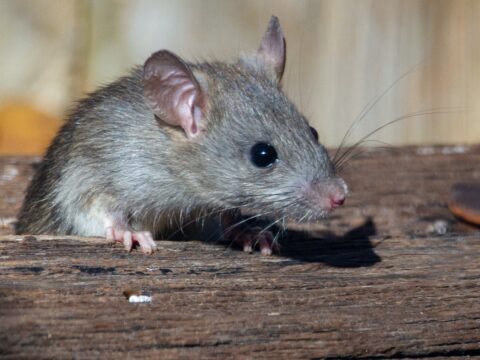
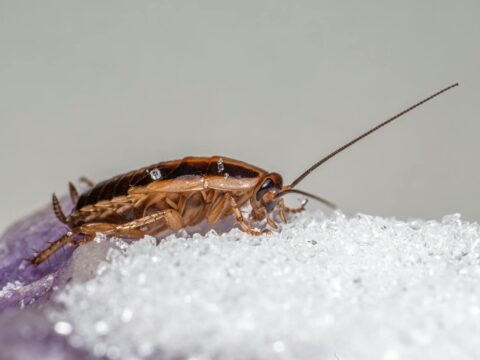
Cockroaches and ants are the usual culprits. Once a few get in and find food, they can establish a small population that keeps reappearing no matter how many you swat.
How professional car fumigation works
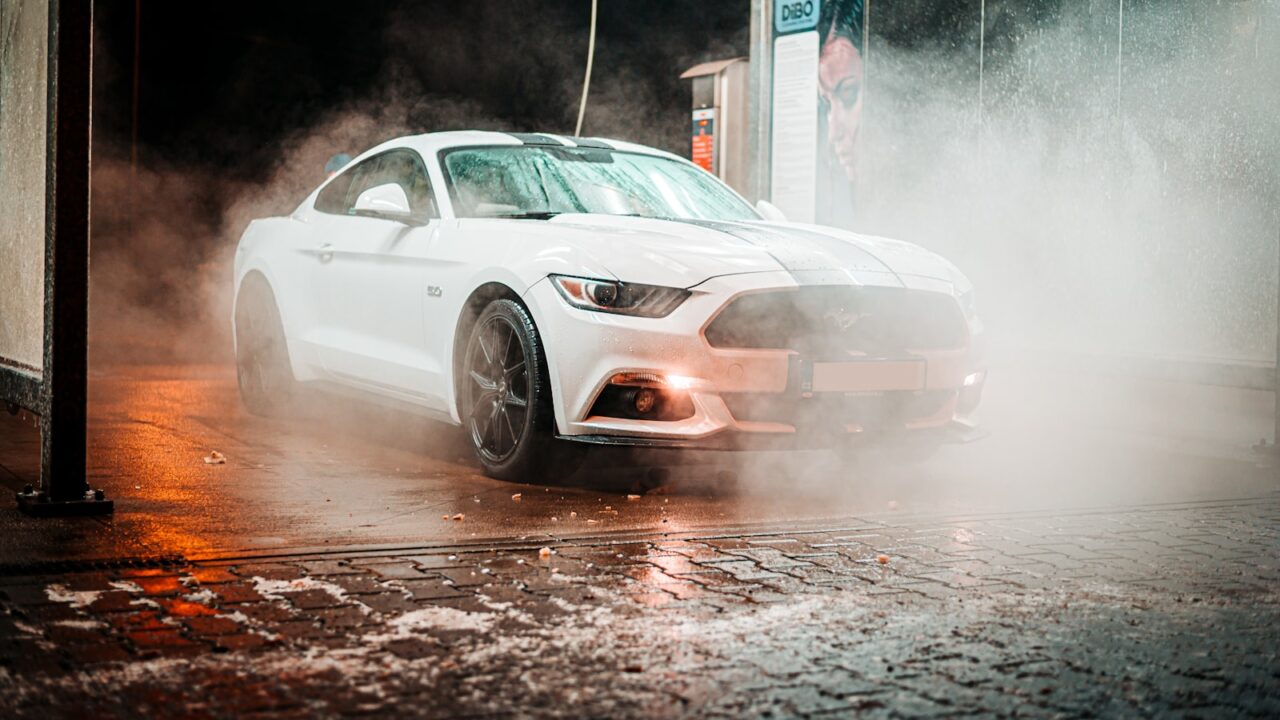
Car fumigation — often done as fogging or misting — fills the enclosed cabin with an insecticidal fog that reaches the cracks and vents you can’t get to by hand. A typical process:
- Inspection to confirm the pest and locate harbourage points.
- Preparation — the technician ensures the cabin is cleared and ready (see below).
- Fogging or misting — a fine insecticidal fog is dispersed throughout the cabin, penetrating vents, under seats and tight gaps.
- Dwell time — the car is kept closed for a set period so the treatment can work.
- Airing out — doors and windows are opened and the cabin ventilated before you drive.
Some providers pair fogging with residual gel baiting in key spots to catch pests that emerge later. Because the interior is a confined space with sensitive surfaces and air systems, this is best left to a professional rather than a DIY aerosol, which rarely reaches the hidden colony. Car fogging is closely related to the fumigation services in Singapore used for enclosed spaces generally.
How to prepare your car
Good prep makes the treatment more effective and keeps your belongings safe:
- Remove all items — bags, documents, sunglasses, electronics and anything in the glovebox and door pockets.
- Take out all food and drink, including forgotten snacks under the seats — these are the whole reason pests are there.
- Remove child seats and car seat covers so the fog can reach underneath, and to keep them off any residue.
- Clear rubbish and vacuum if you can, so the technician can treat clean surfaces and reach the gaps.
- Note problem spots — tell the technician where you’ve seen the most activity.
The cleaner and emptier the cabin, the better the fog penetrates and the less chance pests have a food source left behind.
Aftercare: airing and cleaning
Once treatment is done and the dwell time has passed:
- Ventilate thoroughly — open all doors and windows and let the cabin air out as advised before driving, especially before carrying children or pets.
- Wipe down surfaces you touch often — steering wheel, gear lever, door handles — once airing is complete.
- Vacuum out any dead insects after a day or two.
- Follow the provider’s guidance on how long to wait before regular use.
If you saw a heavy infestation, a follow-up check may be worthwhile to confirm nothing survived in a hidden pocket.
Preventing pests from coming back
Fumigation solves today’s problem; habits keep it solved:
- Stop eating in the car, or at least clear every crumb and wrapper immediately afterwards.
- Empty and clean the cabin regularly, including cup holders and door pockets.
- Avoid parking beside bins or dense greenery where you can.
- Keep windows fully closed when parked so nothing wanders in.
- Don’t leave damp towels or rubbish inside, which draws both cockroaches and ants.
If the pests are coming from your home or car park — a wider cockroach control issue — treating the source matters too, or they’ll simply reinfest the car.
What car fumigation costs
We won’t quote a figure, because price depends on the specifics: the pest, the severity, your vehicle size, and whether baiting or a follow-up is included. A small ant issue in a hatchback is very different from a heavy cockroach infestation in a large MPV. The reliable way to know is to get a quote after the provider understands your situation. For an enclosed-space job like this, ask what’s included — fogging only, or fogging plus baiting and a follow-up check.
Frequently asked questions
How long does car fumigation take?
Is car fumigation safe?
Can I just use a supermarket bug spray instead?
Why do cockroaches keep coming back to my car?
Do I need to remove the child seat?
Related guides
- Fumigation services in Singapore
- Cockroach control in Singapore
- Ant control in Singapore
- Pest control in Singapore
- Best pest control companies in Singapore
*Pests taking over your vehicle? Get a free car fumigation quote from Insect Out.*