How to Get Rid of Caterpillars on Plants (Singapore)
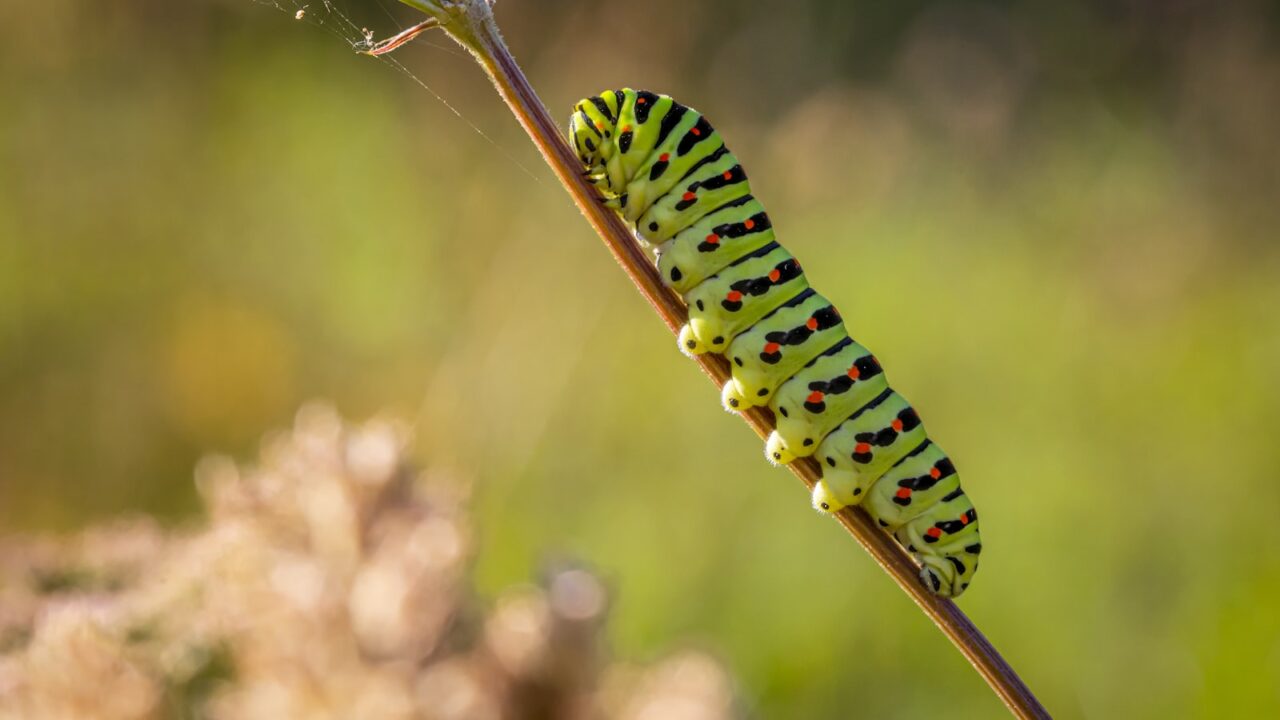
Wake up to leaves full of holes, ragged edges and little dark droppings, and you’ve likely got caterpillars on plants somewhere nearby. They can strip a kangkong patch or a chilli plant in days. The good news is that controlling caterpillars in a Singapore garden rarely needs harsh chemicals — manual removal plus a few targeted, organic methods usually does the job.
How to know caterpillars are the culprit
Caterpillars are the larvae of moths and butterflies, and Singapore’s year-round warmth means there’s always a generation feeding. Tell-tale signs of caterpillars on plants include:
- Large, irregular holes chewed in leaves, often from the edges inward
- Droppings (frass) — small dark pellets on leaves or the soil below
- Skeletonised leaves where only the veins remain
- Rolled or webbed leaves hiding a caterpillar inside
- The caterpillars themselves, often green and well camouflaged on the undersides of leaves
Check at dawn or dusk, when many species feed most actively.
A quick word before you reach for spray
Not every caterpillar is a pest. Some become butterflies you may want on your balcony — lime butterfly caterpillars on curry leaf and citrus, for example. Decide what you’re protecting. On edibles like vegetables and herbs you’ll usually want them gone; on an ornamental you don’t mind sharing, you might just relocate them.
How to get rid of caterpillars on plants
Work from the gentlest method up.
- Hand-pick them. The fastest, safest control. Wear gloves (a few species have irritating hairs), pick caterpillars off morning and evening, and drop them into soapy water or relocate them well away from your plants.
- Remove eggs. Look for clusters of tiny eggs on leaf undersides and wipe or snip them off before they hatch.
- Use Bt (Bacillus thuringiensis). This naturally occurring soil bacterium is the go-to organic spray for caterpillars on plants. It only affects caterpillars that eat treated leaves and is safe around people, pets and beneficial insects. Spray leaf surfaces in the evening and reapply after rain.
- Neem oil. Diluted neem disrupts feeding and growth and deters egg-laying. Useful as part of a routine rather than an instant knock-down.
- Soap spray can help with small, soft caterpillars on contact, but larger ones shrug it off.
Choosing a method
| Situation | Best approach |
|---|---|
| A few caterpillars, small garden | Hand-picking + egg removal |
| Edibles you’ll harvest soon | Bt spray (observe label timing) |
| Recurring problem | Neem routine + netting |
| Butterfly host plant | Relocate, don’t kill |
Protect plants the physical way
Exclusion is one of the most effective long-term tactics, especially for vegetable growers:
- Fine insect netting over raised beds or pots stops moths laying eggs in the first place.
- Encourage natural predators — birds, wasps and lacewings all eat caterpillars, so avoid blanket chemical sprays that wipe them out.
- Inspect new plants and seedlings before adding them to your garden.
- Clear weeds and debris where moths shelter and lay eggs.
In HDB and condo gardens, where space is tight and plants sit close together, regular hand-checks plus netting on your most-loved crops usually keep caterpillars in check without any spraying at all.
A short daily routine makes a real difference: a two-minute morning look under the leaves, picking off any caterpillars or egg clusters you find, stops a few hungry larvae from becoming a leaf-stripping invasion within a week. Caterpillars often hide along the midrib on the underside of a leaf, so lift and turn leaves rather than just glancing at the top surface.
When chemicals or a pro are warranted
If an infestation is heavy, spreading across many plants, and Bt plus hand-picking can’t keep up, a targeted insecticide labelled for caterpillars may be justified. Read the label, respect harvest intervals on edibles, and spray in calm, cool conditions to protect bees and other beneficial insects.
If caterpillars are part of a bigger pest picture in your garden — alongside ants, scale or sap-suckers — our guide to common garden pests in Singapore helps you sort out who’s doing what. And for persistent infestations that DIY can’t resolve, professional pest control in Singapore can step in.
Common mistakes when controlling caterpillars
A few habits quietly undermine an otherwise good routine:
- Spraying Bt in the morning sun. Bt breaks down in UV light, so an evening application lasts longer and works better. Always reapply after rain.
- Only checking the tops of leaves. Caterpillars graze along the midrib on the underside and many are perfectly camouflaged. Lift and turn leaves rather than glancing over the canopy.
- Killing every caterpillar on sight. Some are future butterflies on host plants you can share. Identify before you act.
- Leaving frass and egg clusters in place. Wiping off egg clusters early stops the next wave before it hatches, which is far easier than fighting grown larvae.
- Reaching for broad insecticide first. It wipes out the birds, wasps and lacewings that were keeping numbers down for free.
The HDB and condo balcony angle
In a small Singapore balcony garden, exclusion does most of the heavy lifting. Moths can’t lay eggs on what they can’t reach, so a light insect-netting cover over your most-loved crops — kangkong, chilli, basil — prevents the problem rather than treating it. Pair that with a two-minute morning check and the occasional Bt spray and you can usually keep caterpillars in check with almost no chemicals at all. Because balcony plants sit close together, one infested seedling spreads fast, so inspect anything new before it joins the collection. Our wider guide to balcony garden pest control in Singapore puts caterpillars alongside the other pests that share these tight spaces.
Frequently asked questions
Are the caterpillars on my plants dangerous?
Is Bt safe around food crops, pets and children?
Should I kill caterpillars on my curry leaf or lime plant?
What’s eating my leaves if I can’t find any caterpillars?
Related guides
- Common garden pests in Singapore
- How to get rid of whiteflies on plants
- How to get rid of thrips
- How to get rid of aphids on plants
- How to get rid of snails and slugs
- Balcony garden pest control in Singapore
*Caterpillars shredding your harvest? Get a free pest-control quote and protect your garden.*