Common Garden Pests in Singapore (and How to Manage Them)
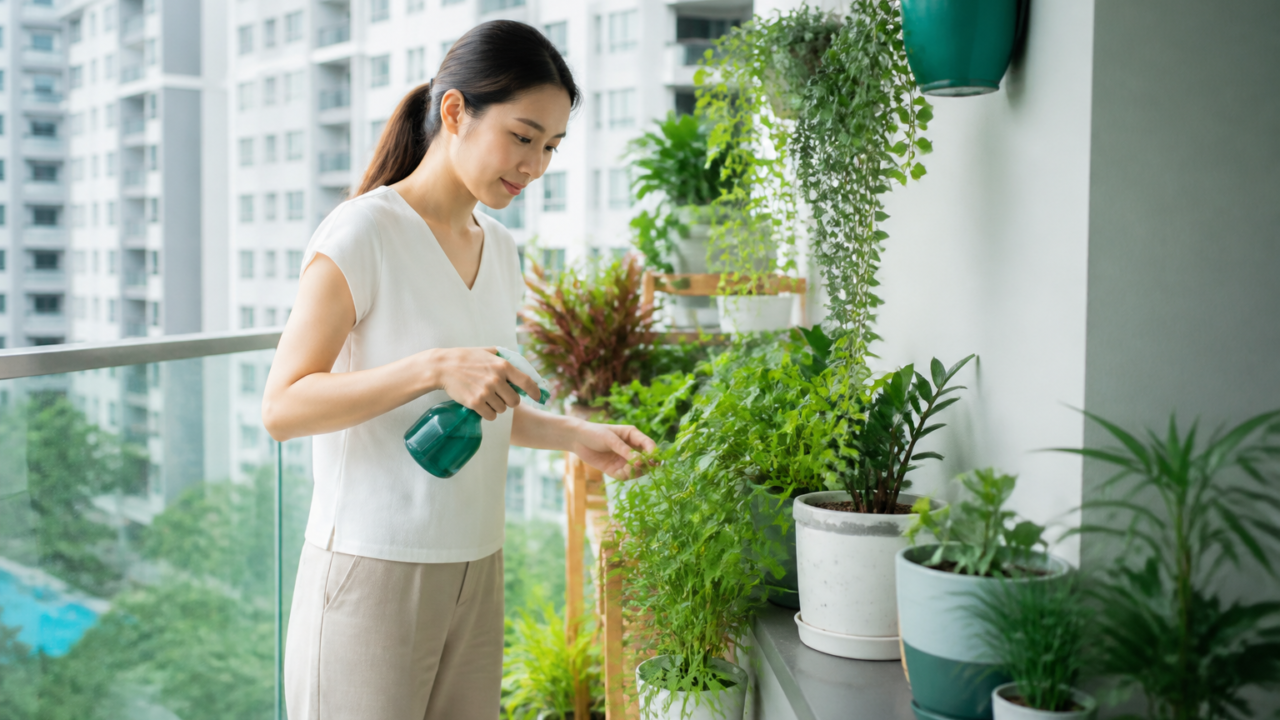
A tropical climate is a gift for plants — and for the pests that eat them. Whether you’ve got a landed garden or a few pots on the balcony, garden pests in Singapore can chew, suck and weaken plants fast in the year-round warmth. Here’s how to recognise the usual culprits and manage them safely.
The most common garden pests
Most plant trouble in Singapore comes from a familiar shortlist:
| Pest | Signs | Targets |
|---|---|---|
| Aphids | Clusters on new growth, sticky residue | Soft shoots, herbs, flowers |
| Mealybugs | White cottony spots in leaf joints | Houseplants, ornamentals |
| Spider mites | Fine webbing, stippled/yellowing leaves | Many plants, worse in dry spells |
| Whiteflies | Tiny white flies that scatter when disturbed | Vegetables, ornamentals |
| Scale insects | Hard bumps on stems and leaves | Woody plants, fruit trees |
| Snails & slugs | Chewed holes, slime trails | Seedlings, leafy greens |
| Caterpillars | Ragged holes, droppings | Vegetables, leafy plants |
Many of these sap-suckers also leave sticky “honeydew” that grows black sooty mould, so spotting that is a clue something’s feeding on the plant.
Catch problems early
The cheapest pest control is a regular look:
- Check the undersides of leaves, where aphids, mites and whiteflies hide.
- Inspect new growth and leaf joints for mealybugs and aphids.
- Watch for sticky residue, webbing or sooty mould.
- Quarantine new plants for a week or two before adding them to the rest.
Early action on a few bugs is far easier than rescuing a heavy infestation.
Safe ways to manage garden pests
Start with the gentlest method that works:
- Physical removal — pick off caterpillars, snails and scale by hand; squash mealybugs with a cotton bud.
- Water spray — a firm jet knocks aphids and mites off leaves.
- Insecticidal soap or neem oil — coats and controls soft-bodied pests; spray in the cooler evening and cover leaf undersides.
- Encourage beneficial insects — ladybirds and other predators help keep aphids down.
- Targeted pesticide — only if needed, and follow the label, especially around edible plants.
Avoid over-spraying. Blanket pesticide use kills the helpful insects too and can leave residue on herbs and vegetables you’ll eat.
Stop pests from taking hold
- Don’t overcrowd plants — airflow reduces pests and disease.
- Avoid over-watering; soggy, stressed plants attract trouble.
- Clear fallen leaves and debris where pests shelter.
- Remove heavily infested leaves or plants before they spread.
A healthy, well-spaced plant resists pests far better than a stressed one.
Balcony gardens have it easier — and harder
Condo balcony gardens are more contained, so you can catch and isolate problems quickly. But pots dry out faster (favouring spider mites), and pests can drift in from neighbouring units. Inspecting often and quarantining new plants matters even more up high.
For a deeper look at specific pests, see our guides on getting rid of aphids on plants — and if your garden is bringing pests indoors, our overview of professional pest control in Singapore explains when treatment makes sense.
A simple seasonal rhythm
Singapore doesn’t have four seasons, but the wetter and drier spells still shift which garden pests are most active. Damp, rainy stretches favour snails, slugs and fungal problems, while drier, hotter spells bring out spider mites and let aphid populations climb. Adjusting your watering and inspection habits to the weather keeps you a step ahead:
- Wet spells: improve drainage, watch for snails and sooty mould, and empty pot saucers often.
- Dry spells: check leaf undersides for mites and aphids, and avoid letting pots bake and stress the plants.
A few minutes of inspection each week, whatever the weather, beats a big rescue effort later.
When the garden affects the home
Sometimes garden pests become a household problem — ants farming aphids, mosquitoes breeding in plant trays, or pests migrating indoors. In that case it’s worth treating the wider area rather than plant by plant. Standing water in pot saucers is also a dengue risk, so empty them regularly as part of NEA’s Mozzie Wipeout habits.
Deeper guides for each pest
Because each pest needs a slightly different touch, it’s worth going species by species when one takes hold:
- Aphids cluster on soft new growth and breed explosively — how to get rid of aphids on plants.
- Mealybugs hide in leaf joints as white cottony spots — how to get rid of mealybugs.
- Spider mites leave fine webbing and stippling, worse in dry spells — how to get rid of spider mites on plants.
- Whiteflies scatter in a cloud when disturbed — how to get rid of whiteflies on plants.
- Scale insects look like hard bumps on stems — scale insects on plants.
- Snails and slugs shred seedlings overnight — how to get rid of snails and slugs.
- Caterpillars chew ragged holes in leafy greens — how to get rid of caterpillars on plants.
If you garden mostly in pots up high, our dedicated guide to balcony garden pest control in Singapore tailors the advice to containers and condo conditions.
Frequently asked questions
Is neem oil safe on edible plants?
Why do ants appear when my plants have aphids?
How do I stop garden pests becoming a dengue risk?
Related guides
- How to get rid of aphids on plants
- How to get rid of spider mites on plants
- How to get rid of mealybugs
- How to get rid of caterpillars on plants
- Balcony garden pest control in Singapore
Managing garden pests in Singapore is about inspecting often, acting early, and reaching for the gentlest effective fix first. Stay on top of it and your garden — landed or balcony — keeps thriving.
*Garden pests spilling into your home? Talk to us about pest control.*