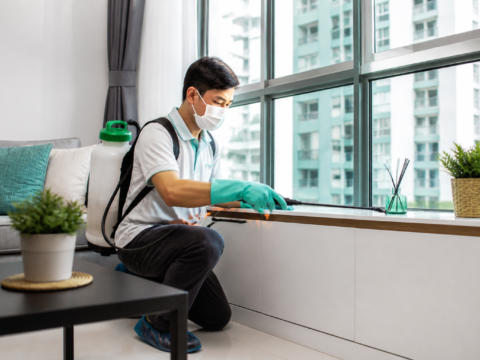
How to Get Rid of House Flies (Singapore)
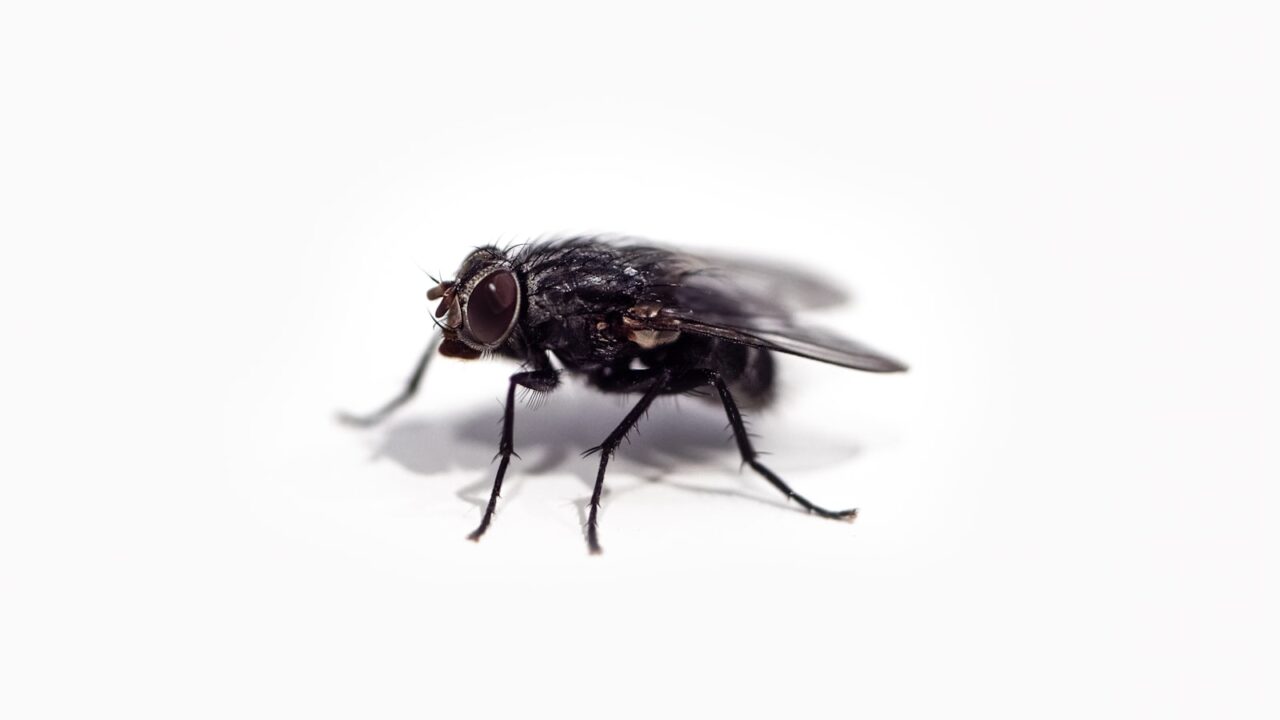
A few house flies are a nuisance; a steady stream usually means there’s something attracting and breeding them nearby. In Singapore’s warm climate flies multiply fast, so knowing how to get rid of house flies means tackling both the adults and the source. Here’s how.
Why house flies invade Singapore homes
House flies are drawn to food, waste and moisture — and they breed in decaying organic matter. Common attractions around an HDB or condo home include:
- Uncovered food and fruit
- Open or overflowing bins and the rubbish chute
- Food residue and spills
- Pet waste and damp organic debris
- Drains with built-up grime
Flies lay eggs in this kind of material, and in warm weather they go from egg to adult quickly — which is why a small problem can escalate within days.
Step one: remove the source
You can’t get rid of house flies for long while something is breeding them. Find and remove the source:
- Empty bins regularly and keep them tightly covered
- Don’t leave food, fruit or dirty dishes out
- Clear up pet waste promptly
- Clean drains and remove decaying organic matter
- Check for any forgotten food, spills or damp debris
Cutting off breeding material is the single most effective step.
Step two: sanitation and quick wins
Once the source is handled, reduce what draws the remaining adults:
- Wipe counters and clear crumbs
- Rinse recycling before storing
- Keep sinks clean and dry
- Cover fruit bowls or store fruit in the fridge
Good sanitation makes your home far less appealing and stops the cycle restarting.
Step three: traps and removal
To deal with the flies already inside:
- Sticky fly traps placed away from food capture adults
- Fly swatters handle small numbers
- Light-based fly traps can help in persistent cases
- A homemade trap (a jar with a little vinegar or fruit, covered with pierced wrap) catches some species
Traps reduce numbers but won’t solve the problem alone — they work best alongside sanitation and source removal.
Step four: screen your windows and doors
The most reliable long-term fix is keeping flies out in the first place. Flies stream in through open windows and doors, so fitting fine mesh makes a big difference while still letting air through.
Our no-drill window insect screens keep house flies, mosquitoes and other insects out without blocking ventilation — ideal for Singapore homes that rely on natural airflow. Screening is especially worthwhile if you’re near a coffee shop, market, bin centre or greenery where fly numbers run high.
Step five: stay on top of it
Because flies breed so fast in our climate, prevention is an ongoing habit:
- Keep bins covered and emptied
- Clear food and spills promptly
- Maintain window and door screens
- Address any recurring damp or organic build-up
When to call a professional
DIY handles most house fly problems. But if flies persist despite good sanitation and you can’t locate the source — or you suspect a breeding site in a shared area like a chute or common bin point — it’s worth getting help. A professional can identify the breeding source and recommend control measures. For other pest problems, see our pest control Singapore hub.
Not all “flies” are house flies
If small flies keep appearing despite a clean home and covered bins, you may not be dealing with house flies at all. Drain flies breed in the gunk lining drains and show up around sinks and floor traps; fruit flies hover around ripening fruit and recycling; fungus gnats come from overwatered houseplant soil. Each has a different source, so the fix differs — clearing a drain, removing fruit, or letting plant soil dry out. If your flies are tiny rather than house-fly sized, our guides on drain flies, fruit flies and fungus gnats will point you to the right source.
Why screening is the fix that lasts
Most fly control fails for the same reason: it treats the symptom. Sprays, swatters and traps reduce the adults in front of you, but as long as flies can stream in through open windows and doors, fresh ones simply replace them — and in Singapore’s warmth, that happens fast. Screening flips the problem around by stopping flies entering in the first place, while still letting you keep windows open for natural ventilation, which most flats and condos rely on instead of running air-conditioning all day. That’s a meaningful advantage here: you don’t have to choose between airflow and a fly-free home. Screening is especially worthwhile if you live near a coffee shop, wet market, bin centre or greenery, where outdoor fly numbers are high and open windows would otherwise be an open invitation. Pair good sanitation indoors with window insect screens at the openings, and you tackle both the source and the entry route — which is what keeps flies out for good rather than for an afternoon.
Frequently asked questions
Why do I suddenly have lots of house flies?
Do plug-in repellers or sprays solve a fly problem?
Are house flies a health risk?
What’s the most effective long-term fix?
Related guides
- How to get rid of drain flies
- How to get rid of fruit flies
- How to get rid of maggots
- How to keep insects out of the house
- Window insect screens
*Tired of flies getting in? Shop no-drill window screens to keep them out for good — or get a pest control quote for stubborn infestations.*