Rat Exterminator in Singapore: Cost & How Rodent Removal Works
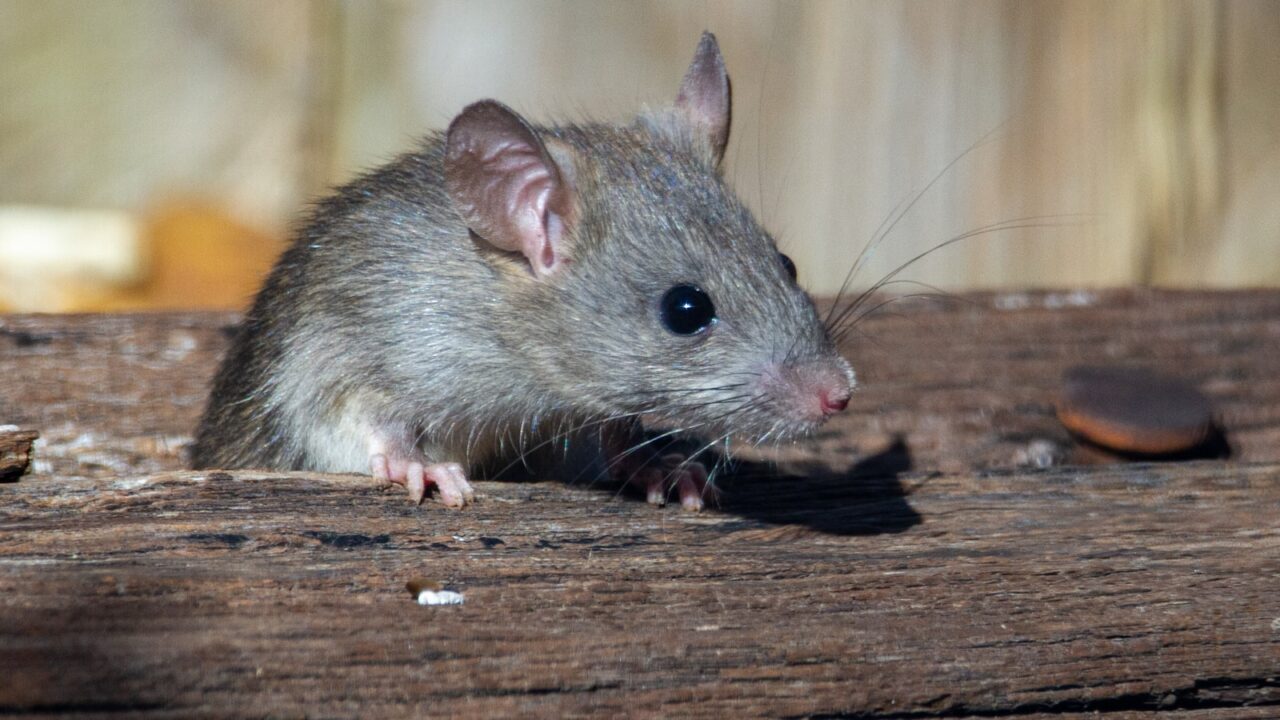
Scratching in the ceiling at night, droppings behind the fridge, or a gnawed food packet in the kitchen usually means it is time to call a rat exterminator in Singapore — locally, a rodent control specialist. Rats breed quickly, chew through wiring and packaging, and carry disease, so a couple of shop-bought traps rarely settle an established problem. This guide covers what professional rodent removal involves, when DIY stops working, and what shapes the cost.
Why rats need more than a trap
A single pair of rats can multiply into a sizeable population within months, and they are cautious, intelligent animals that quickly learn to avoid clumsily placed traps. They also nest out of sight — in ceiling voids, riser ducts, drains and the gaps behind kitchen cabinets — so killing the one you saw does little about the ones you did not.
Effective control tackles the whole picture: removing the current population, cutting off entry points, and taking away the food and shelter that drew them in. That combined approach is what professional rodent control in Singapore is built around.
What a rat exterminator does
A proper rodent job follows a clear sequence rather than a single visit:
- Inspection. The technician traces droppings, gnaw marks, grease trails (rub marks along runs) and nesting signs to map how rats are entering and moving through your property.
- Proofing. They identify and seal entry points — gaps under doors, around pipes, along drainage and roof lines — because without this, new rats simply replace the old ones.
- Trapping and baiting. A mix of snap traps and, where appropriate, tamper-resistant bait stations is placed along active runs, kept away from children and pets.
- Monitoring and follow-up. Return visits check the stations, remove carcasses, and confirm activity has stopped.
If you want to try first steps yourself, our guide on how to get rid of rats and mice in Singapore covers sanitation and basic trapping.
When DIY stops being enough
Traps and sealing gaps are a sensible first response for a single rodent. Call a professional when:
- You hear regular noise in the ceiling or walls — a sign of nesting, not a lone visitor.
- Droppings keep appearing despite cleaning and trapping.
- Rats are entering from a shared area, drain or common duct you cannot access.
- You run a home kitchen or F&B outlet where an infestation is a health and compliance risk.
- Wiring or packaging is being gnawed, which raises fire and contamination risks.
Rats reproduce fast enough that a slow DIY effort can lose ground. Professional treatment gets ahead of the breeding curve.
Proofing: the part that lasts
Killing rats without sealing their entry points is temporary. A good technician spends real time on exclusion — sealing gaps as small as a two-dollar coin, fitting brush strips or grilles, and advising on drainage and refuse-area fixes. In HDB and condo settings, rats often travel through common risers and rubbish chutes, so your provider may also advise coordinating with the town council or managing agent for shared-area issues.
Proofing is what turns a one-off clearance into a lasting result, which is why the cheapest “just lay some bait” offer often costs more in the long run.
What affects the cost
Rodent jobs vary with the property and the problem, so an honest company quotes after inspecting. Key factors:
- Extent of the infestation. A single entry point differs from rats established across a ceiling void.
- Property type and size. Landed homes with gardens and drains, HDB flats, and F&B premises pose different challenges.
- Amount of proofing needed. Extensive sealing and grille work adds to the job.
- One-time vs contract. F&B and recurring-risk sites often need ongoing servicing rather than a single visit.
- Follow-up visits. Monitoring and carcass removal are usually built into the programme.
Because these differ so widely, we recommend a free site assessment rather than a headline price that may not fit your home.
What to expect on treatment day
The first visit is largely inspection, proofing and placement — not a dramatic clear-out. The technician will point out entry points, set traps and stations in safe locations, and explain what to keep clear. You may be asked to tidy storage, secure food, and manage refuse more tightly while treatment runs.
Over the following days and return visits, activity should drop. If a rat dies in an inaccessible void, there can be a brief odour; your provider will advise on this. Persistent noise after treatment should be reported so stations can be repositioned.
Keeping rats away for good
Prevention is mostly about food, water and access:
- Store food and pet food in sealed containers.
- Clear refuse promptly and keep bin areas closed and clean.
- Fix leaks and remove standing water.
- Keep gardens tidy and cut back vegetation touching the building.
- Seal new gaps as they appear around pipes and doors.
Frequently asked questions
Is a rat exterminator the same as rodent control in Singapore?
Can I get rid of rats myself?
How much does rat removal cost in Singapore?
Will one visit get rid of the rats?
Do rats in HDB flats come from common areas?
Related guides
- Rodent control in Singapore
- How to get rid of rats and mice in Singapore
- Exterminator in Singapore: what they do & costs
- Cockroach exterminator in Singapore
- Pest control in Singapore
*Hearing scratching in the ceiling? Get a free rodent assessment from Insect Out and we’ll map out a plan.*