Are Spider Bites Dangerous in Singapore?
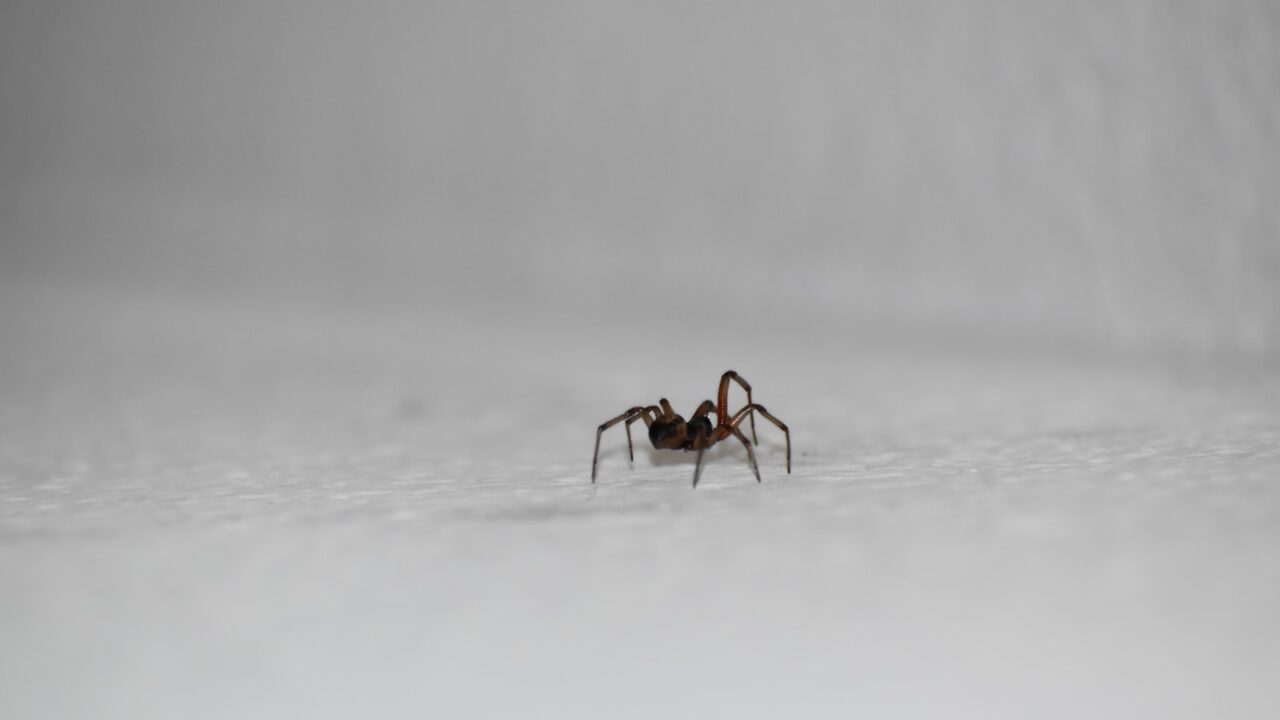
Spider bites sound scary, but the reality in Singapore is reassuring: the spiders you are likely to meet at home are not dangerous to people, and genuine spider bites are uncommon. Most “spider bites” turn out to be something else entirely. This guide explains how to tell whether you have a spider bite, when to worry, and how to keep spiders down around your Singapore home.
Are spider bites in Singapore actually dangerous?
For the vast majority of households, no. The common house spiders found in HDB flats, condos and landed homes here are shy and not medically dangerous. They would rather flee than bite, and most cannot easily pierce human skin.
Spiders do not seek out people. Bites usually only happen when a spider is trapped against the skin — for example, inside clothing, shoes or bedding. Even then, most spider bites cause nothing worse than a mild local reaction.
What a spider bite looks like
This is where many people go wrong: lots of bumps blamed on spider bites are actually mosquito, bed bug, flea or ant bites, which are far more common.
A genuine spider bite tends to be:
- A single bite, not a cluster or line
- A red bump, sometimes with two tiny puncture marks close together
- Mildly painful or itchy, usually settling within a few days
If you have multiple itchy bumps that appeared overnight or in clusters, a spider is unlikely. Bed bugs, mosquitoes and fleas are far more probable — our guide on how to identify bug bites helps you tell them apart.
It is also common for people to assume any unexplained skin reaction is a spider bite. In practice, many turn out to be reactions to other insects, mild infections, or skin conditions unrelated to bites at all. A doctor can help if the cause is genuinely unclear.
When to worry about a spider bite
Most spider bites need only simple care. But seek medical attention in certain situations.
See a doctor if you experience:
- Spreading redness, warmth, swelling or pus (possible infection)
- Severe or worsening pain around the bite
- An ulcer or wound that will not heal
- Signs of an allergic reaction such as widespread rash, swelling of the face or throat, or difficulty breathing (treat as an emergency)
- Fever, cramps or feeling generally unwell after a bite
This is general guidance only. If you are unsure, a doctor or pharmacist can advise.
General care for a spider bite
For a mild bite:
- Wash the area with soap and water.
- Apply a cool compress to reduce swelling.
- Avoid scratching, which can break the skin and invite infection in our humid climate.
- Use an over-the-counter anti-itch cream if needed.
- Keep an eye on it over the next few days and note any change in size, colour or pain.
Most mild spider bites settle within a few days with nothing more than this. If a bite is not improving, or any of the warning signs above appear, that is the point to seek medical advice rather than waiting.
How to reduce spiders at home
While spiders are mostly harmless — and even helpful, since they eat other insects — few people want them indoors. The best approach is to make your home less inviting:
- Reduce their food supply. Spiders go where other insects are, so controlling mosquitoes, flies and ants removes their reason to stay.
- Clear webs regularly from corners, ceilings, balconies and behind furniture.
- Declutter storerooms, bomb shelters and under-bed areas where spiders hide.
- Seal gaps around windows, doors and vents.
- Fit insect screens so windows can stay open for ventilation without letting in the insects spiders feed on. Window insect screens are a simple way to cut the food supply that draws spiders indoors.
For a fuller routine, see our guide on how to get rid of spiders in Singapore.
When to call a professional
If you are seeing spiders constantly, it usually signals a larger insect problem feeding them. Clearing the underlying pests is the lasting fix. Our pest control team in Singapore can identify what is drawing spiders in and treat the root cause, rather than just sweeping away webs.
Common spiders you might meet in Singapore homes
Most spiders indoors here are harmless and shy. You may come across:
- House spiders that build small webs in ceiling corners and behind furniture — completely harmless and helpful, since they eat other insects.
- Daddy long-legs with their thin, tangled webs in quiet corners; they are not a danger to people.
- Jumping spiders, small and active, which hunt rather than build webs and tend to flee when approached.
- Garden and orb-weaving spiders that spin webs on balconies, near plants and around outdoor lights, where flying insects gather.
The pattern across all of them is the same: they are far more interested in catching insects than in people, and they keep their distance. Spiders clustering on a balcony or near a porch light is usually a sign that flying insects are gathering there — deal with the insects and the spiders move on.
Frequently asked questions
Are there deadly spiders in Singapore homes?
How can I be sure a bite is from a spider?
Why do I suddenly have lots of spiders?
Related guides
- How to identify bug bites
- How to get rid of spiders in Singapore
- Are insect screens worth it?
- How to keep insects out of the house
The bottom line
Spider bites in Singapore are rare and almost never dangerous. Most bumps blamed on spiders are other insects. Keep your home free of the pests spiders eat, clear webs, and seek medical help only for the warning signs above.
*Seeing spiders all over your home? Get a free assessment from Insect Out and tackle the insects behind them.*