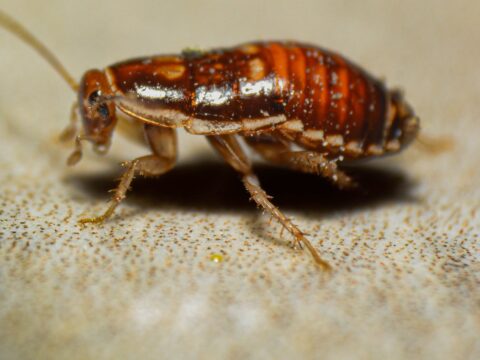
Pest Management vs Pest Control: What’s the Difference?
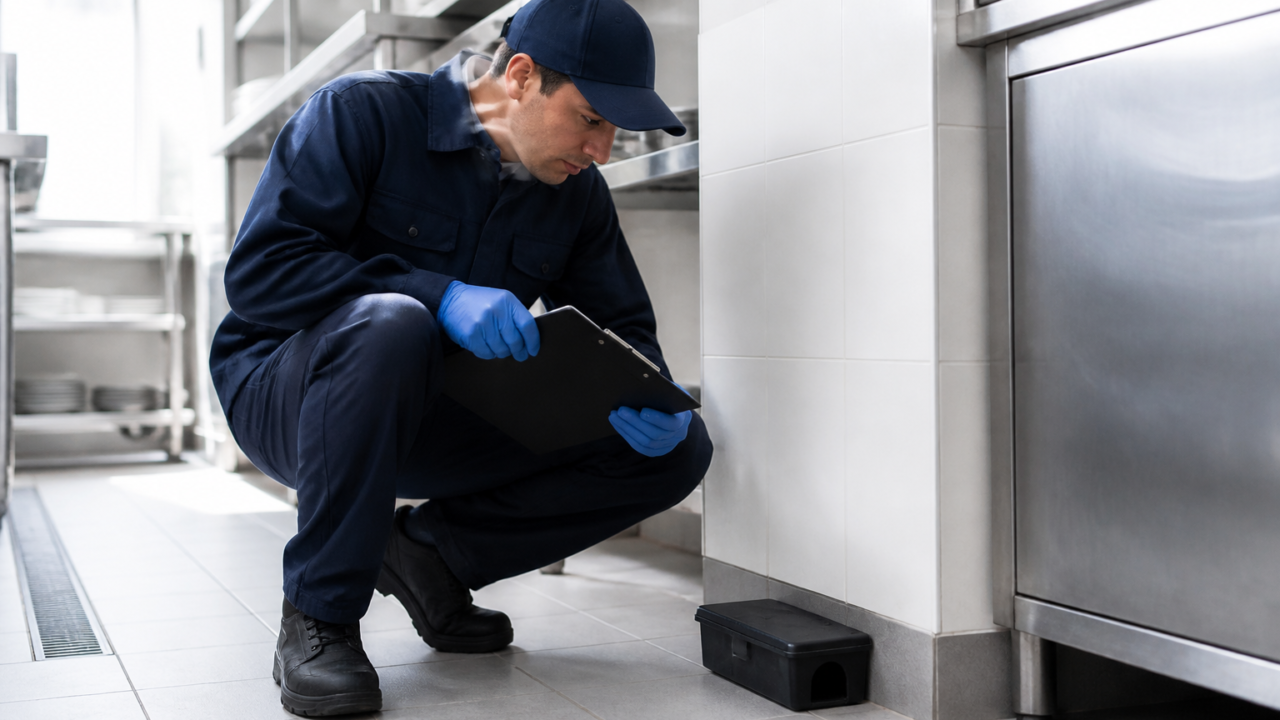
People use “pest control” and “pest management” as if they mean the same thing, but there is a real difference — and knowing it helps you buy the right service. In short, pest control is reactive: you have a problem, and a technician treats it. Pest management, or integrated pest management (IPM), is an ongoing approach built around prevention, monitoring and exclusion, with treatment as just one tool. This guide explains the distinction and shows when each fits.
What is pest control?
Pest control is the treatment of an active pest problem. You spot cockroaches in the kitchen, ants trailing across the counter, or bites from bed bugs, and you call someone to deal with it. A technician inspects, applies the appropriate treatment — gel bait, residual spray, fumigation, heat — and, ideally, returns for a follow-up.
It is targeted, effective and usually the right call for a one-off home infestation. The focus is on knocking down the pest that is already there. Once the problem is resolved, the job is essentially done until the next issue arises. Most residential jobs — a cockroach or ant problem in an HDB flat, say — are exactly this kind of reactive work.
What is pest management (IPM)?
Pest management, and specifically integrated pest management (IPM), is broader and ongoing. Instead of only reacting, it aims to keep pests from becoming a problem in the first place. IPM combines several tactics:
- Monitoring — regular inspections and traps to catch activity early.
- Exclusion — sealing gaps, screening openings and denying entry points.
- Sanitation — removing food, water and harbourage that attract pests.
- Habitat management — reducing clutter and moisture that pests rely on.
- Treatment as one tool — chemicals are used deliberately and sparingly, not as the first or only answer.
The philosophy is that prevention is cheaper and cleaner than repeated treatment. Rather than spraying on a fixed schedule regardless of need, IPM watches for signs, addresses the root causes, and treats only when monitoring shows it is warranted.
The core difference, side by side
| Trigger | An active infestation | Ongoing, before problems start |
|---|---|---|
| Approach | Reactive treatment | Prevention, monitoring, exclusion |
| Chemical use | Central to the job | One tool among several, used sparingly |
| Timeframe | Short-term fix | Continuous programme |
| Best for | One-off home problems | F&B, commercial, sensitive premises |
The overlap is real — a good pest-control visit includes prevention advice, and a good IPM programme includes treatment when needed. The difference is emphasis and continuity.
When pest control is the right choice
For most households, straightforward pest control is exactly what you need. If you have a specific, active problem — a bed bug outbreak, a rat in the ceiling, a sudden ant trail — you want it treated promptly and thoroughly. Paying for a year-round management contract on a single one-off issue would be overkill.
Reactive treatment also makes sense for seasonal flare-ups, such as more mosquitoes during wetter weeks, where a targeted response solves the immediate problem. If that describes you, our pest control in Singapore overview covers what to expect from a standard treatment.
When pest management fits better
Ongoing pest management earns its keep where the cost of a pest problem is high or where compliance is required:
- F&B outlets and food businesses, which face SFA hygiene requirements and cannot afford a cockroach or rodent sighting.
- Warehouses, factories and logistics premises, where pests can damage stock at scale.
- Offices, schools and healthcare settings that need consistently pest-free environments.
- Landed homes with gardens that back onto greenery and face recurring pressure from ants, rodents or mosquitoes.
In these cases, scheduled inspections, documentation and prevention save money and stress over time. This is the model behind commercial pest control in Singapore, where audit trails and regular servicing are part of the deal.
Prevention: the part homeowners can do
You don’t need a formal IPM contract to borrow its best idea — stopping pests before they enter. Simple habits make a real difference:
- Keep food sealed and clear crumbs and spills promptly.
- Fix leaks and reduce standing water, which draws mosquitoes and cockroaches.
- Seal gaps under doors and around pipes.
- Screen windows and doors so flying insects can’t get in — no-drill insect screens do this without altering your flat.
These low-effort steps are pure prevention, and they reduce how often you ever need reactive treatment.
Signs you need more than a one-off treatment
Sometimes a home problem is really a management problem in disguise. Consider stepping up from reactive control to an ongoing approach if you notice:
- The same pest keeps returning within weeks of each treatment, suggesting an untreated source or entry route.
- Multiple pests at once — ants, cockroaches and rodents together often point to conditions that favour all of them.
- A property that backs onto greenery, drains or a bin centre, giving pests constant pressure from outside.
- Shared walls and voids in older HDB blocks, where pests move between units regardless of how clean yours is.
In these situations, repeatedly paying for reactive call-outs can cost more than addressing the underlying causes once. That doesn’t necessarily mean a formal contract — it may just mean a more thorough inspection and a prevention plan.
Frequently asked questions
Is pest management the same as pest control?
What does IPM stand for?
Which do I need for my home?
Do F&B businesses need pest management?
Is pest management more expensive?
Related guides
- Pest control in Singapore
- Commercial pest control in Singapore
- Residential vs commercial pest exterminators
- Best pest control companies in Singapore
- Insect screens for prevention
*Not sure whether you need a one-off treatment or an ongoing plan? Ask Insect Out for a free assessment.*