
Rodent Control Singapore
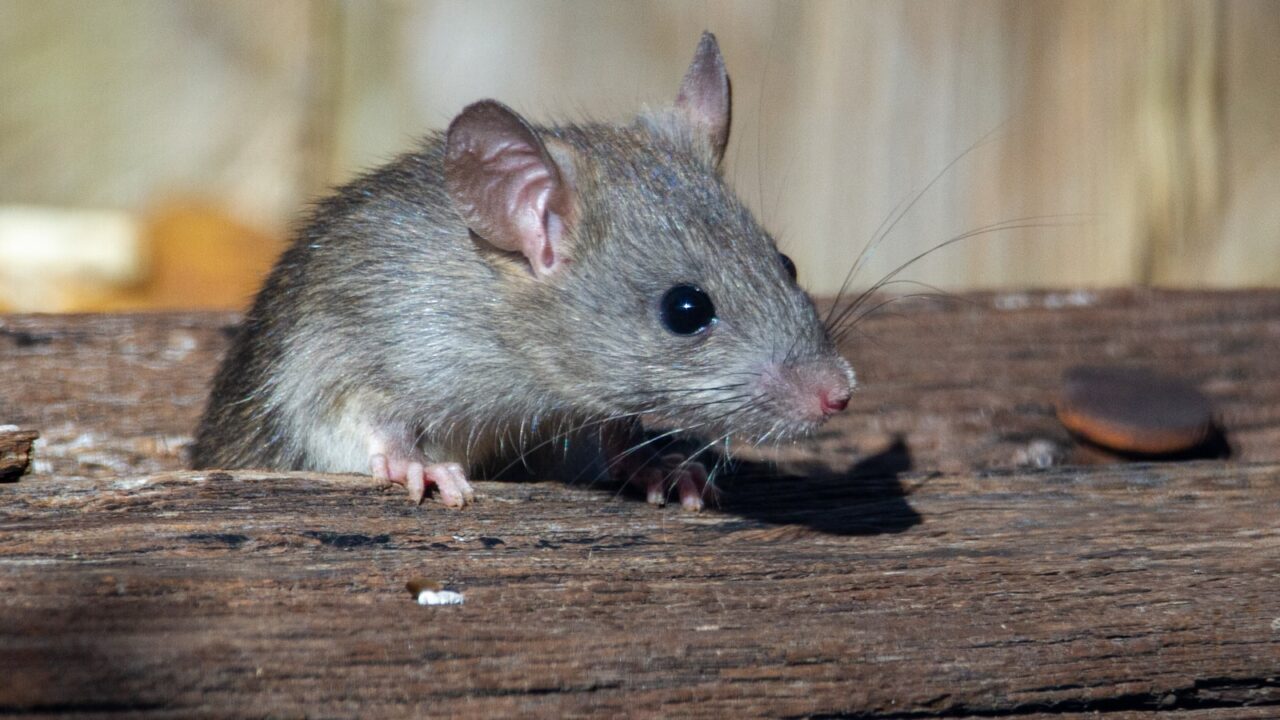
Rats and mice are among the most damaging pests a Singapore home or business can have. They contaminate food and surfaces with droppings and urine, gnaw through wiring (a genuine fire risk), chew packaging and furniture, and spread diseases including leptospirosis and salmonella. They also breed alarmingly fast — a pair of rats can become dozens within months — so a small problem becomes a serious one quickly. Hearing scratching in the ceiling at night or finding droppings in the kitchen means it’s time to act. As a rodent control company in Singapore, Insect Out provides rat control services for homes and businesses, combining trapping, baiting and — most importantly — proofing so they can’t simply return.
The rodents we deal with
- Norway (sewer) rats — large, heavy-bodied rats that live in drains, sewers and ground-floor voids and come up through pipes and gaps. Common around landed homes, ground-floor units and food premises.
- Roof rats — agile climbers that nest in ceilings, false ceilings and upper floors, often heard scurrying overhead at night.
- House mice — much smaller, squeezing through gaps as narrow as a finger-width and breeding rapidly indoors.
Knowing which rodent you have shapes where we trap and what we proof — read more in rat vs mouse differences. For the bigger picture, see rat infestation in Singapore.
Signs of a rodent problem
- Droppings — dark, grain-shaped pellets in cupboards, drawers, along walls and behind appliances.
- Gnaw marks — on food packaging, wires, skirting, pipes and timber.
- Scratching or scurrying sounds in the ceiling, walls or under the floor, usually at night.
- Smear marks — greasy dark streaks along walls and pipes where rodents run the same routes.
- A musty, ammonia-like smell, nests of shredded material, and chewed entry holes.
Our guide to signs of rats in your house covers each in detail, and if the noise is overhead, see rats in the ceiling: what to do.
Why baiting alone isn’t enough
Putting down poison or a few traps might cut numbers temporarily, but if the gaps rodents use to get in are still open, a new wave simply moves in from the drain, the neighbour’s unit or the outside. Poison used carelessly also risks rodents dying in inaccessible voids and causing odour, and it’s a hazard around children and pets. Lasting rodent control depends on three things together: removing the rodents currently inside, and then sealing every entry point so the space stays rodent-proof. Proofing is the step most DIY efforts skip — and the reason the problem keeps coming back.
How we deal with rodents
- Inspection — we identify the species, trace runs and smear marks, and find entry points and nesting areas, inside and around the property.
- Control — strategic trapping and, where appropriate, secured baiting suited to your home or premises, placed along active runs for fast, targeted results while keeping children and pets safe.
- Proofing — we seal gaps around pipes, vents, doors, drains and structural openings, so once the rodents are cleared they can’t get back in. This is what turns a one-off clearance into a lasting fix.
What rodent control costs in Singapore
Pricing depends on the property size, the severity of the infestation, and how much proofing is needed — a single mouse in an HDB kitchen is a smaller job than a roof-rat infestation across a landed home’s ceiling space with multiple entry points to seal. Businesses and food premises often need a scheduled programme to stay compliant. We provide a clear quote and proofing plan up front. For context, see pest control prices in Singapore and how to choose a pest control company.
HDB, condo and landed: what differs
In HDB flats and condos, rodents typically travel via rubbish chutes, shared risers, drainage and gaps around pipes, so proofing internal entry points and the kitchen is key. In landed homes, drains, gardens, roof spaces and ground-level voids give rodents more ways in, so perimeter proofing and ceiling access matter more. For businesses — especially F&B — regular monitoring and documented control are essential for hygiene compliance.
Keep rodents out for good
Once the property is clear, denying food, water and access keeps it that way:
- Store food (including pet food and bird seed) in sealed, gnaw-proof containers.
- Clear food waste promptly and keep bins closed.
- Seal gaps around pipes, vents and doors — mice need only a small opening.
- Cut back vegetation touching the building and keep clutter down in store rooms and yards.
- Read how to keep rats away and how to get rid of mice for the full checklist.
Frequently asked questions
Is it rats or mice?
Are rats really dangerous?
I only hear them at night — is it serious?
Will proofing really stop them coming back?
Should I use rat poison from the supermarket?
Related guides
- How to get rid of rats and mice in Singapore
- Signs of rats in your house
- Rats in the ceiling: what to do
- How to keep rats away
- How to get rid of mice
*Tell us what you’ve noticed below for a free quote and proofing plan.*
Ready to keep the bugs out?
Get a free, no-obligation quote tailored to your windows.
Get a free quote
Tell us about your windows and we’ll connect you with a trusted installer.