Are Rats Dangerous? Diseases & Risks (Singapore)
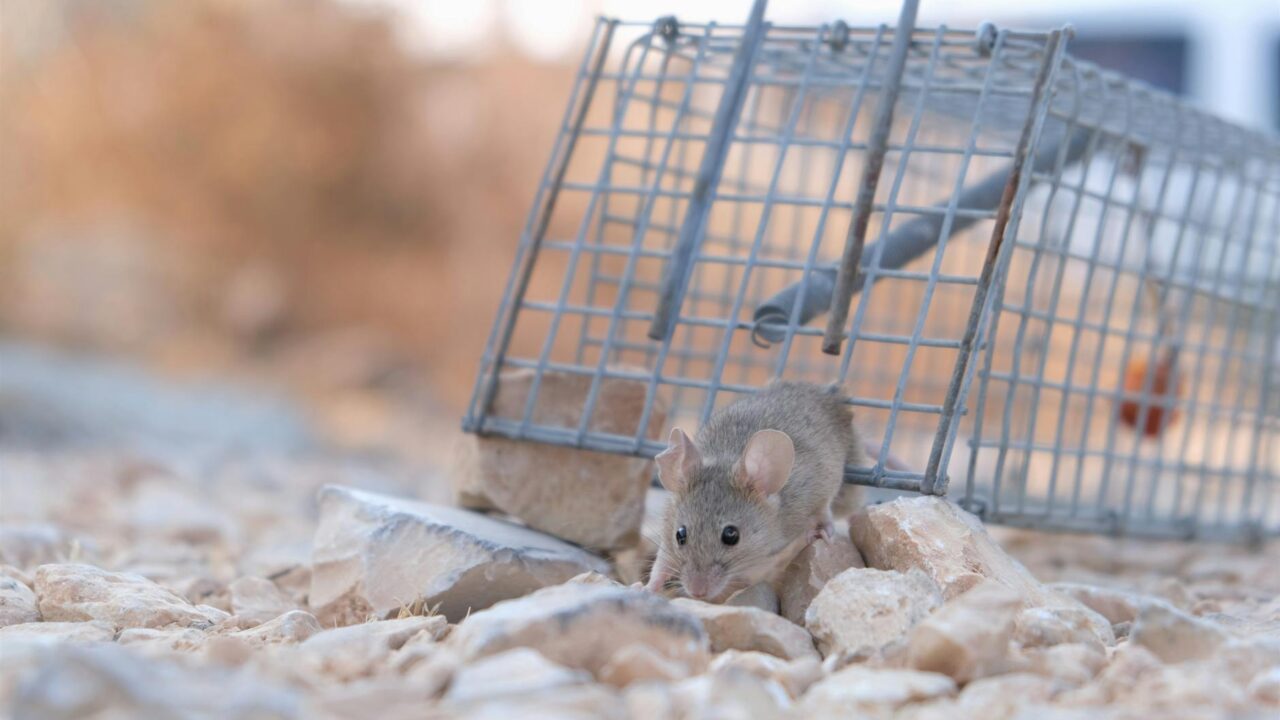
Finding a rat at home is alarming, and for good reason. Beyond the shock and the damage they cause, rats carry genuine health risks. So are rats dangerous? In short, yes — they can spread disease, contaminate food and damage property, which is why a rat problem is one to act on quickly. Here’s an honest look at the risks for Singapore households.
Are rats dangerous to your health?
The main reason rats are dangerous is disease. They can spread illness to people through several routes:
- Droppings and urine — contaminating surfaces, food and water
- Direct contact — handling rats or contaminated materials
- Bites — uncommon, but possible
- Indirectly — via fleas, mites or ticks rats can carry
You don’t have to touch a rat to be at risk; contamination of kitchen surfaces and food is the more common concern.
Diseases associated with rats
Rats are linked to a number of illnesses worldwide. Those commonly associated with rodents include:
- Leptospirosis — bacteria spread through rat urine, which can contaminate water and surfaces.
- Salmonellosis — food poisoning from contaminated food and surfaces.
- Rat-bite fever — from bites or scratches.
- Other gastrointestinal illnesses — from contaminated food and water.
Rats and their fleas have also historically been associated with more serious diseases. The practical point for a Singapore home: rats can make people unwell, and the contamination risk grows the longer an infestation persists.
Other real risks beyond disease
Health isn’t the only reason rats are dangerous:
- Fire risk: rats gnaw constantly, and chewed electrical wiring is a genuine fire hazard.
- Property damage: they damage pipes, packaging, insulation and structures.
- Food contamination: a serious issue for households and a compliance concern for any food business.
- Fast breeding: rats reproduce quickly, so risks multiply if the problem is left.
Who is most at risk
Take extra care if your household includes:
- Young children and babies
- Elderly family members
- Anyone with a weakened immune system or chronic illness
For these groups, the contamination risk from a rat problem is worth acting on without delay.
How to reduce the risk
While arranging proper control, lower your exposure:
- Clean contaminated areas carefully — avoid stirring up dust from droppings; ventilate, wear gloves, and disinfect surfaces.
- Protect food — store it in sealed, hard containers and discard anything rats may have reached.
- Remove food and water sources so rats have less reason to stay.
- Seal entry points to keep more rats out.
- Don’t ignore early signs — droppings, gnaw marks and night-time noises. Our guide on how to get rid of rats and mice in Singapore covers the steps.
If anyone develops fever or feels unwell after exposure to rats or their droppings, see a doctor.
Why fast action matters
Because rats breed quickly and the disease and fire risks rise over time, a rat problem is not something to wait out. The sooner it’s dealt with, the lower the risk to your household and property.
DIY measures help, but rats are cautious and often nest out of reach, so an established problem usually needs professional handling. Given the genuine answer to “are rats dangerous” — yes — professional rodent control in Singapore is the safest, most reliable way to clear an infestation and reduce the health risk for your home.
How to clean up after rats safely
Cleaning up rat droppings and contaminated areas needs care, because disturbing dried droppings can release particles into the air. A safer approach:
- Ventilate the area before you start.
- Wear gloves and, where possible, a mask.
- Don’t sweep or vacuum dry droppings, which can stir up dust — dampen them first with disinfectant.
- Spray with a disinfectant, leave it to soak, then wipe up with paper towels.
- Bag and dispose of waste securely, and wash your hands thoroughly afterwards.
This reduces the contamination risk while you tackle the source. It’s also a reminder of why rats are dangerous in a practical sense — even after they’re gone, their droppings and urine need careful handling. If anyone develops fever or feels unwell afterwards, see a doctor.
Why early action lowers the risk
The health and fire risks from rats both rise the longer an infestation lasts, because rats breed quickly and contamination spreads. Acting at the first signs — droppings, gnaw marks, night-time scratching — keeps the risk low and the problem manageable. Recognising those signs early is the key; our guides on the signs of rats in your house and what a rat infestation in Singapore looks like help you catch it before it grows. Because rats often nest out of reach, an established problem is usually best handled professionally.
Frequently asked questions
Can you get sick without touching a rat?
What’s the most serious disease linked to rats?
Are rats a fire risk?
How do I clean up rat droppings safely?
Related guides
- Rat infestation in Singapore: signs and risks
- Signs of rats in your house
- How to keep rats away
- Rat vs mouse differences
- How to get rid of rats and mice in Singapore
*Spotted rats and worried about the risks? Contact Insect Out for a free assessment and fast, effective rodent control.*